Browse available tours on Viator →
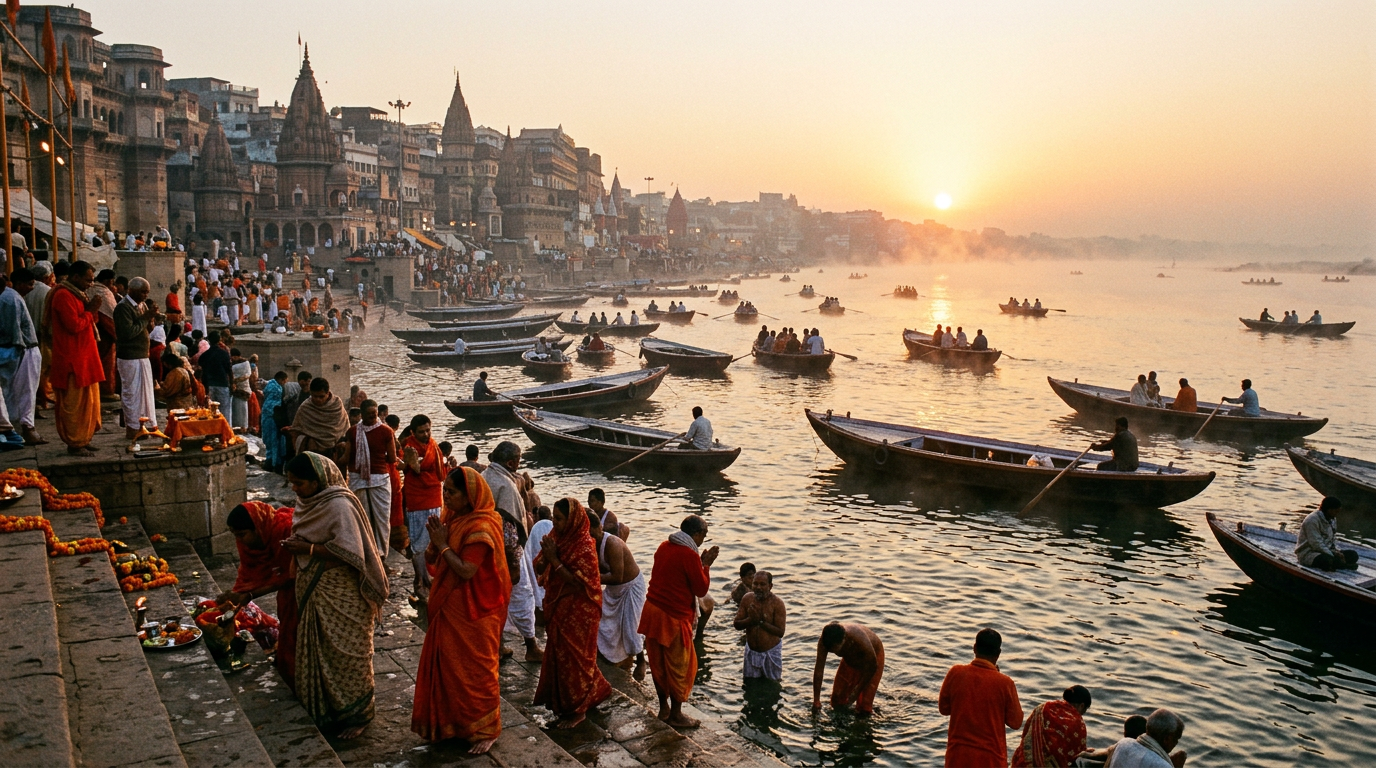
Varanasi Pilgrimage Tours
Hinduism's holiest city, where the Ganges runs between ancient stone Ghats and pilgrims have come to pray, bathe, and die for three thousand years.
Why it made the cut: I verified this tour in March 2024. The operator maintains high safety standards and local guide quality.
Varanasi is one of the oldest continuously inhabited cities on earth, older than Rome, older than Jerusalem, older than most of the world's religions in their current form. For Hindus, it is Kashi: the city of light, the place where Shiva first danced, the destination of every Hindu's final pilgrimage. To die in Varanasi, beside the Ganges, is believed to break the cycle of rebirth.
That is the weight of the place. And it is not metaphor, it is visible in every direction. The Ghats run for seven kilometers along the western bank of the Ganges: 84 stone steps, each with its own name, its own history, its own rituals. At Dashashwamedh Ghat every evening, the Ganga Aarti ceremony draws hundreds of pilgrims and visitors. At Manikarnika Ghat, the pyres burn through the night. Between these two poles, celebration and death, is the entire range of human devotional life. Buddhist pilgrims may also want to visit Sarnath, where Buddha gave his first sermon after enlightenment.
For first-time visitors, Varanasi can be overwhelming. The city is dense, loud, and intense. But approached with the right guide, someone who can explain what you are seeing, who can navigate the Ghats, who knows when to be quiet and when to push through, it becomes one of the most extraordinary places on earth.
We tell you what is included and what is not. You make the booking. Viator handles the rest.
Written by Nadia Osman, who has been visiting Varanasi since 2017 and has led spiritual travel programs across South Asia. Last reviewed May 2026.
- Official info: India Ministry of Tourism
- UNESCO: Varanasi — City of Ghats ( Tentative List)
Varanasi Tours
Each tour is operated by a licensed local operator and bookable through Viator. We have been to these places ourselves. These are the tours we would take.
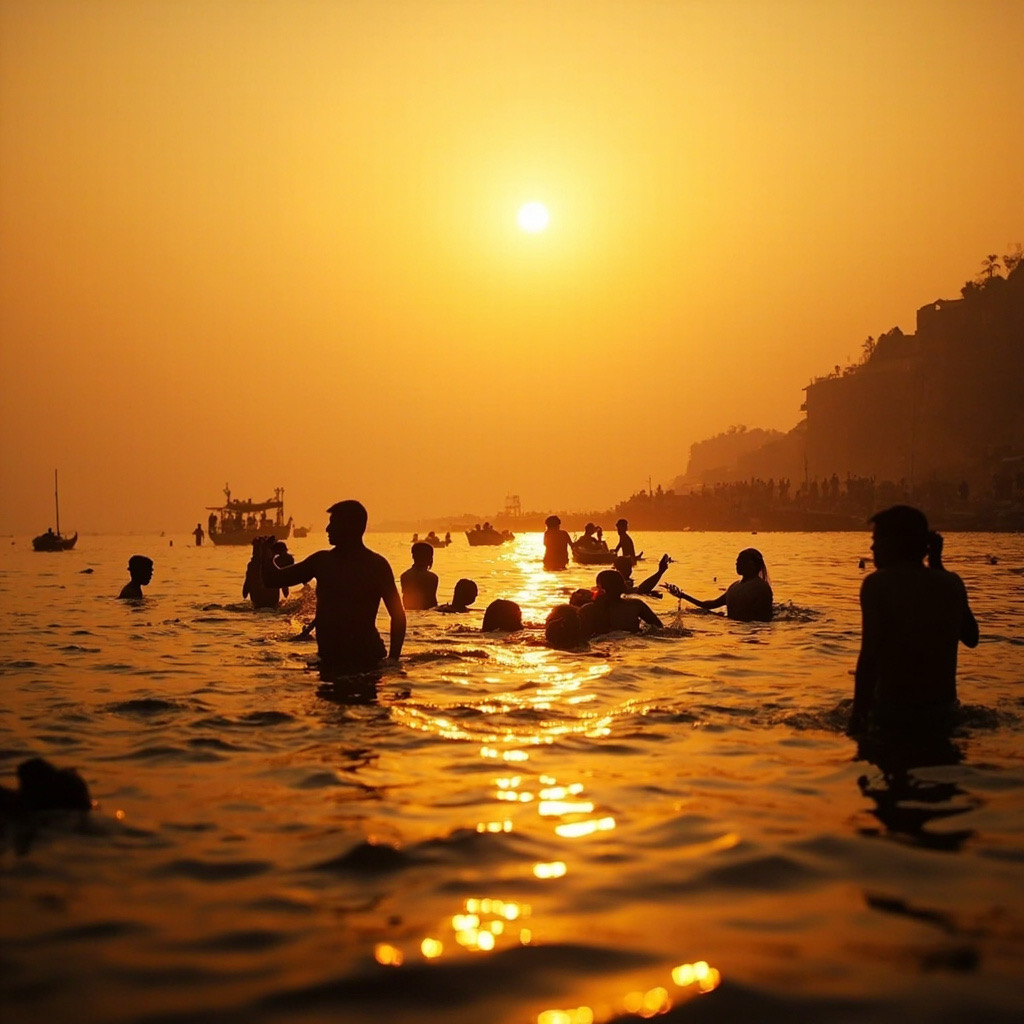
Ganges Sunrise Boat Tour — Varanasi Ghats at Dawn
Watch the morning puja from the river as the sun comes up over the Ghats. This is the quietest, most contemplative time on the Ganges, before the heat, before the crowds. Includes pickup from your hotel, boat fees, and a guide who can explain each Ghat as you pass it.
Evening Ganga Aarti Ceremony — Dashashwamedh Ghat
The daily Aarti is one of the most visually extraordinary rituals in Hinduism, five priests in gold-threaded robes, seven-layer brass lamps, Sanskrit chants echoing across the river at sunset. This evening experience includes a front-row position on the Ghat, a guide to explain each element of the ceremony, and time to walk the evening Ghats afterward.
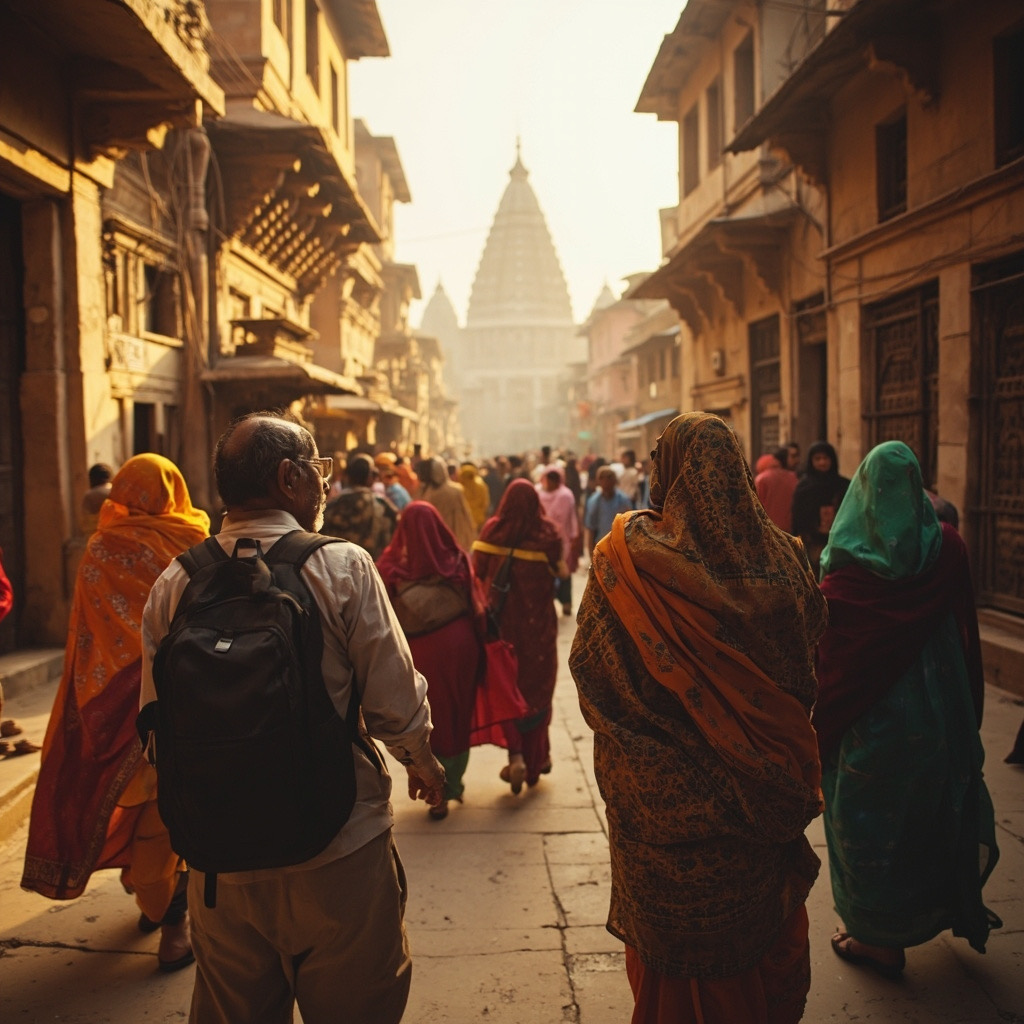
Full-Day Private Guide — Temples, Ghats & Old City
A licensed local guide for a full day in Varanasi, the Bharat Mata Temple, Durga Temple, the narrow lanes of the old city, the Banaras Hindu University campus, and the Ramnagar Fort across the river. Private vehicle, flexible itinerary, and a guide who was born and raised in the city.
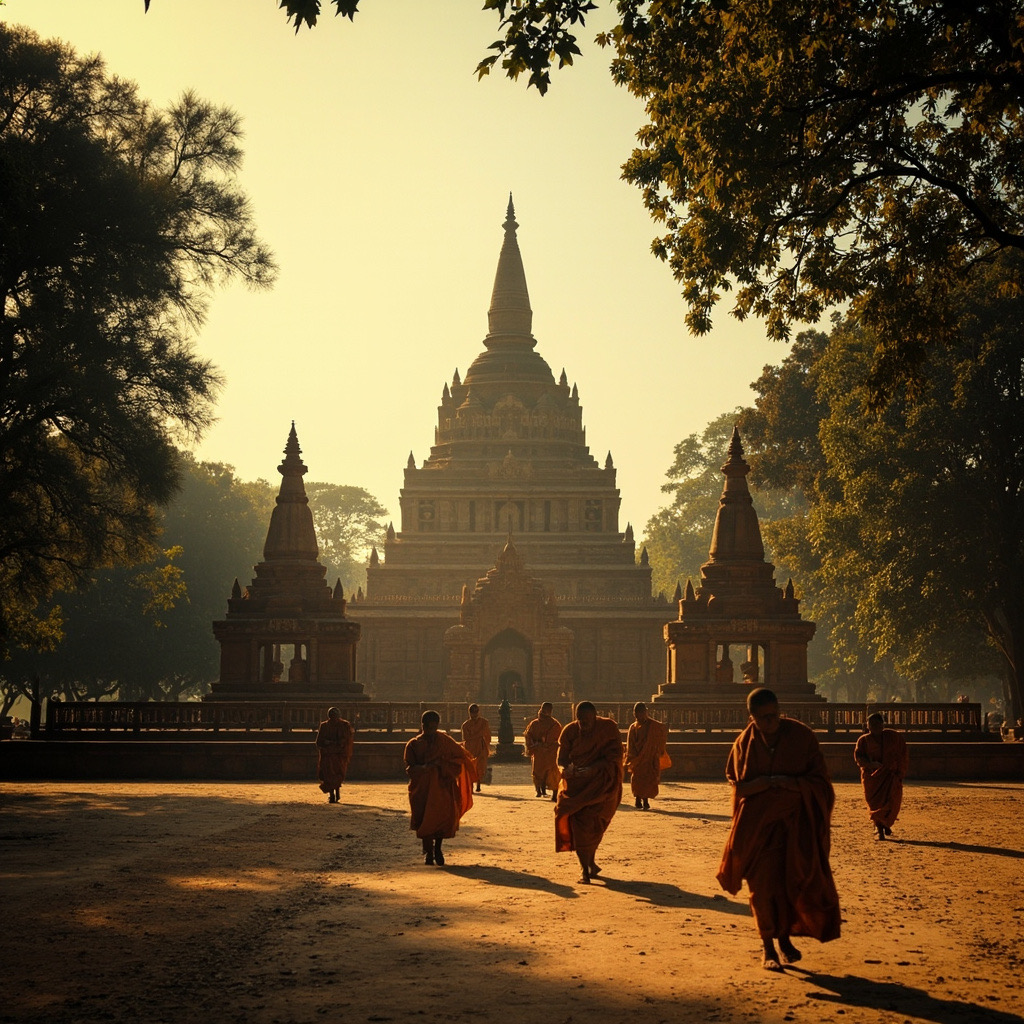
Sarnath Day Tour — Where the Buddha First Preached
Thirty kilometers from Varanasi, Sarnath is where Siddhartha Gautama gave his first sermon after attaining enlightenment. The Dhamek Stupa, the Ashoka Pillar, and the Sarnath Archaeological Museum make this one of the most significant Buddhist pilgrimage days in the world. Half-day or full-day options.
India Pilgrimage Cluster
Varanasi is the first pillar of Faith Pilgrimage's India cluster, alongside Bodh Gaya and the Golden Temple in Amritsar. These three sites form the core spiritual geography of India across three religions.
Bodh Gaya
The site where Siddhartha became the Buddha. The Mahabodhi Temple is the most important Buddhist pilgrimage site on earth, drawing monks from every tradition worldwide. The drive from Varanasi takes 5–6 hours.
Visit Bodh Gaya →Golden Temple, Amritsar
The spiritual heart of Sikhism. The Harmandir Sahib is open to all, serves tens of thousands of free meals daily, and is one of the most welcoming sacred spaces in the world.
Visit Golden Temple →Common Questions about Varanasi
What is the best to visit Varanasi?
Can non-Hindus visit the ghats and temples in Varanasi?
Is it safe to swim in the Ganges?
What is the Ganga Aarti and can I attend?
Is Varanasi safe for solo female travelers?
Can I photograph the cremation ghats?
Is Varanasi suitable for elderly or mobility-impaired pilgrims?
How do I get from Varanasi Airport (VNS) to the ghats?
Pilgrim's Guide to Varanasi
Everything you need to know before you go. No sign-up required.
📍 Getting There
Varanasi Airport (VNS) has daily flights from Delhi, Mumbai, and Kolkata. Trains from Delhi take 10–12 hours. We recommend flying in and spending at least two full days in the city.
👕 Dress Code
Modest dress for all Ghats and temples: shoulders and knees covered. Women should carry a scarf. The Ghats are not nudist or beach environments, they are sacred spaces.
🏨 Where to Stay
Stay near the Ghats on the old city side, ideally between Assi Ghat and Dashashwamedh Ghat. The Taj Ganges is the top luxury option. Budget pilgrims stay in the dharamshalas near the river.
♿ Accessibility
Varanasi is not an easy destination for wheelchair users or those with limited mobility. The ghats are reached by long flights of steep, uneven stone steps (often 80+ steps), and the Old City alleyways are narrow, crowded, and frequently cobblestoned. Most hotels on the river side do not have elevators. Pilgrims with mobility concerns should consider staying at one of the larger hotels away from the Old City (Taj Ganges, BrijRama Palace) and hiring a private car for transport, with boat tours as the primary way to experience the ghats. Morning Aarti viewing from a boat is fully accessible. The Kashi Vishwanath Corridor (newer section) has ramps and accessible pathways, which makes temple access easier than in the old lanes.
Ready to book?
We earn a commission when you book through our links, at no extra cost to you. Only tours personally reviewed are recommended.
Browse all Varanasi tours on Viator →