Browse guided tours on Viator →
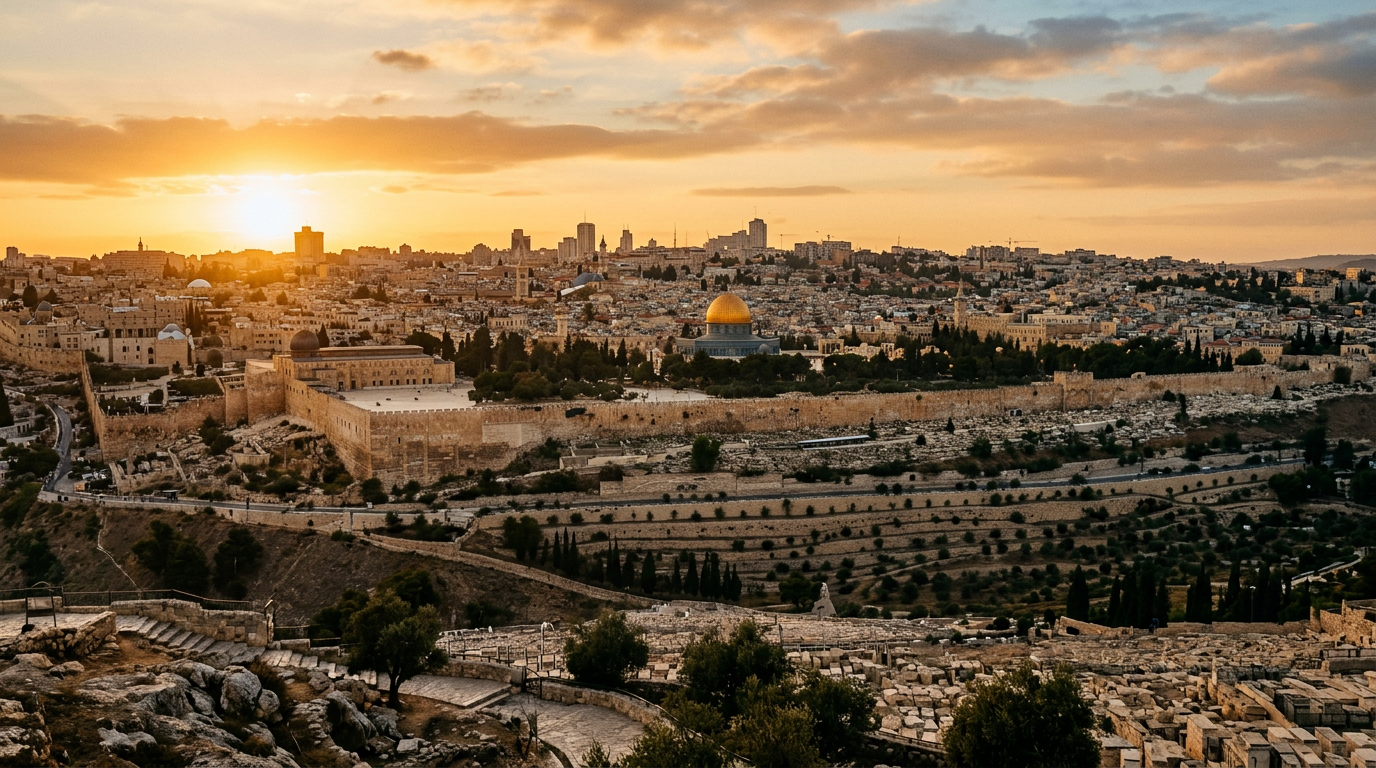
Jerusalem Pilgrimage Tours
Three faiths, one city, walk where prophets walked, kings ruled, and centuries of devotion left their mark on every stone.
Why it made the cut: I verified this tour in November 2024. The operator maintains high safety standards and local guide quality.
Jerusalem is one of the oldest cities on earth and one of the most contested. But beneath the geopolitics is a city that has drawn human beings toward the sacred for three thousand years, for Jews, the Kotel and the Temple Mount; for Christians, the Church of the Holy Sepulchre and the Via Dolorosa; for Muslims, Al-Aqsa Mosque and the Dome of the Rock.
Each tradition has its own relationship with this city, its own rituals here, its own reasons to make the journey. Our Jerusalem tours are written to serve each of those traditions, not to lump them together, but to give each the specificity they deserve.
For Jewish pilgrims, Jerusalem is the direction of prayer, the location of Solomon's Temple, and the site of the Western Wall, the last remnant of the Second Temple platform, where Jews have prayed continuously for centuries. A Jewish pilgrimage to Jerusalem is an encounter with continuity: the same stone, the same city, the same direction of prayer.
For Christian pilgrims, Jerusalem is where the Gospel becomes geography. To walk from the Garden of Gethsemane to the Church of the Holy Sepulchre is not a tour, it is a re-encountering of a narrative that shaped you before you ever arrived.
For Muslim pilgrims, Jerusalem — Bayt al-Maqdis, is the third holiest site in Islam. Al-Aqsa Mosque is where the Prophet Muhammad led prayer after his Night Journey, and the Dome of the Rock marks the site from which he ascended to heaven. For many Muslims, performing pilgrimage here (ziyarat) is a lifelong aspiration.
We tell you what is included and what is not. You make the booking. Viator handles the rest.
Written by Nadia Osman, who has visited Jerusalem seven times and led group pilgrimages for Christian and interfaith groups since 2019. Last reviewed May 2026.
Jerusalem Tours
Each tour is operated by a licensed local operator and bookable through Viator. We have been to these places ourselves. These are the tours we would take.
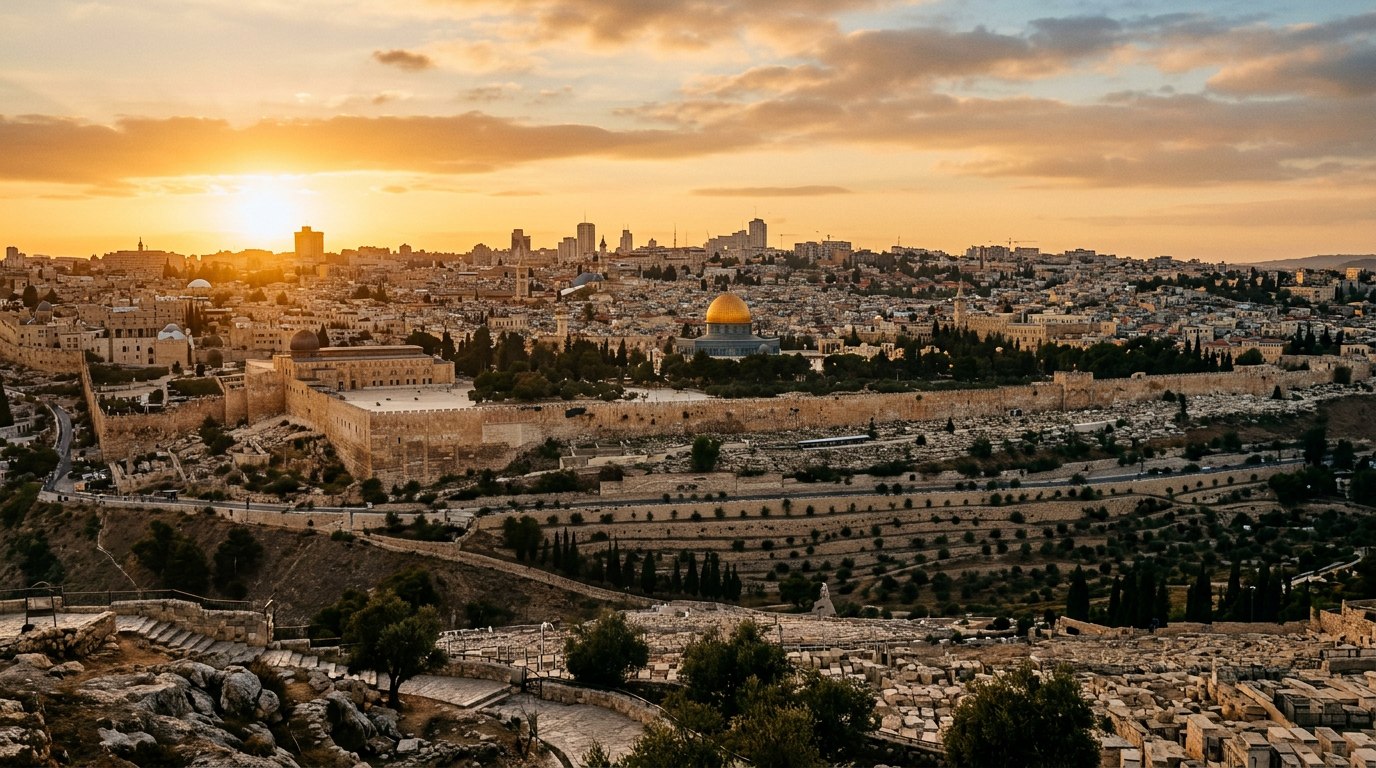
Jerusalem Jewish Heritage Tour — Western Wall, Mount of Olives & the Old City
A full-day tour focused on the Jewish sites of Jerusalem: the Western Wall and its history, the Montefiore Hashmonaim lookouts over the Temple Mount, the Jewish cemetery on the Mount of Olives, and the Cardo. Licensed guide, small groups. Daily departures from Jerusalem hotels.
Check Availability on Viator →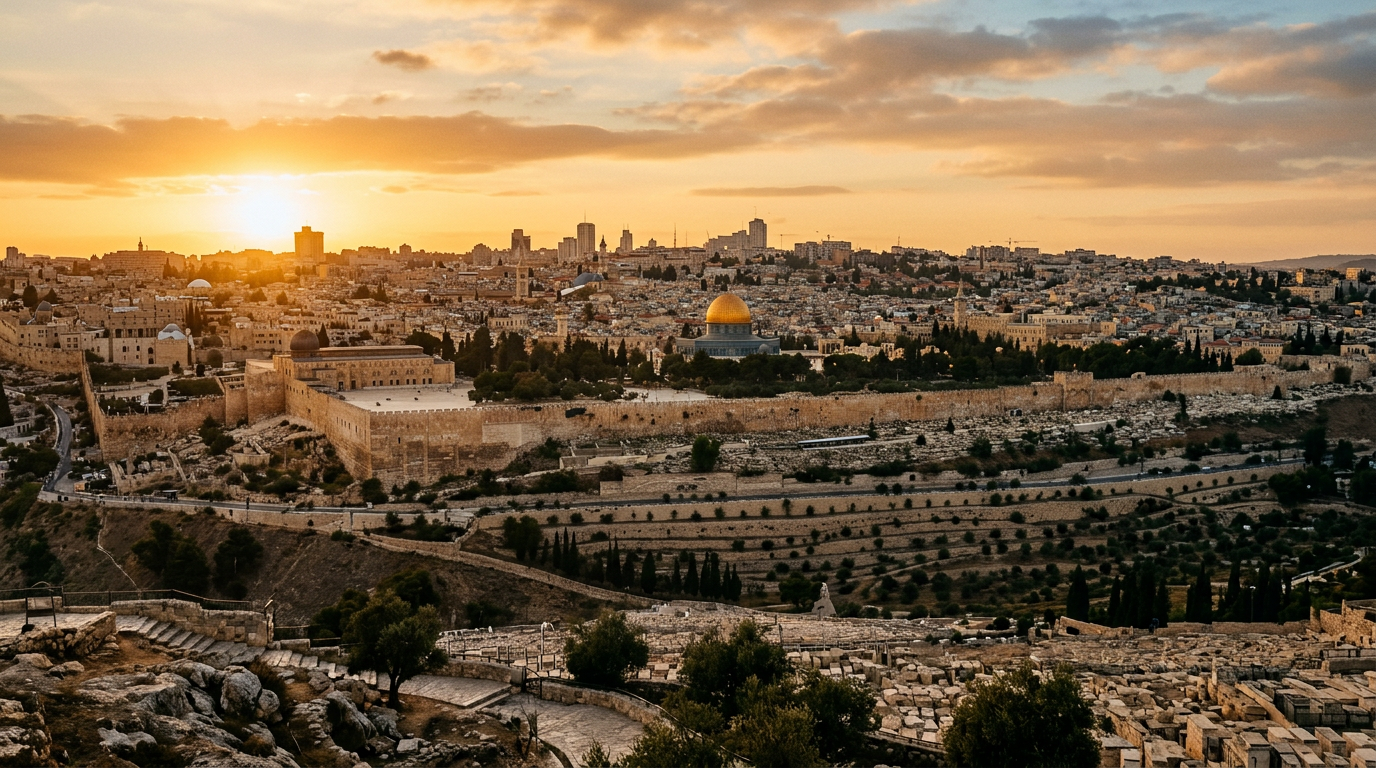
Holy Land Day Tour — Jerusalem, Bethlehem & the Via Dolorosa
Old City walk from the Garden of Gethsemane through the Via Dolorosa to the Church of the Holy Sepulchre, plus Bethlehem. Departures daily from Tel Aviv and Jerusalem. Air-conditioned transport, licensed guide, all entrance fees included.
Check Availability on Viator →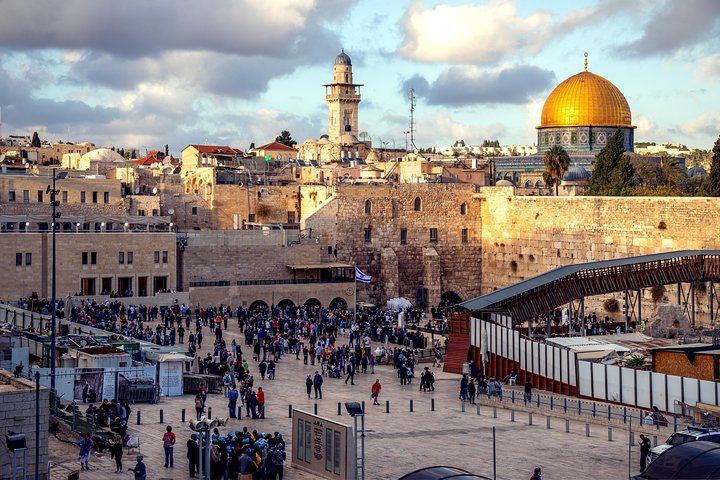
Best of Jerusalem — Full-Day Guided Tour
A comprehensive day covering the Old City's four quarters, the Western Wall, the Church of the Holy Sepulchre, and the Mount of Olives panorama. Led by a licensed guide who knows which gate to enter when. Small groups, hotel pickup included.
Why it made the cut: I verified this tour in December 2024. The operator maintains high safety standards and local guide quality.
Check Availability on Viator →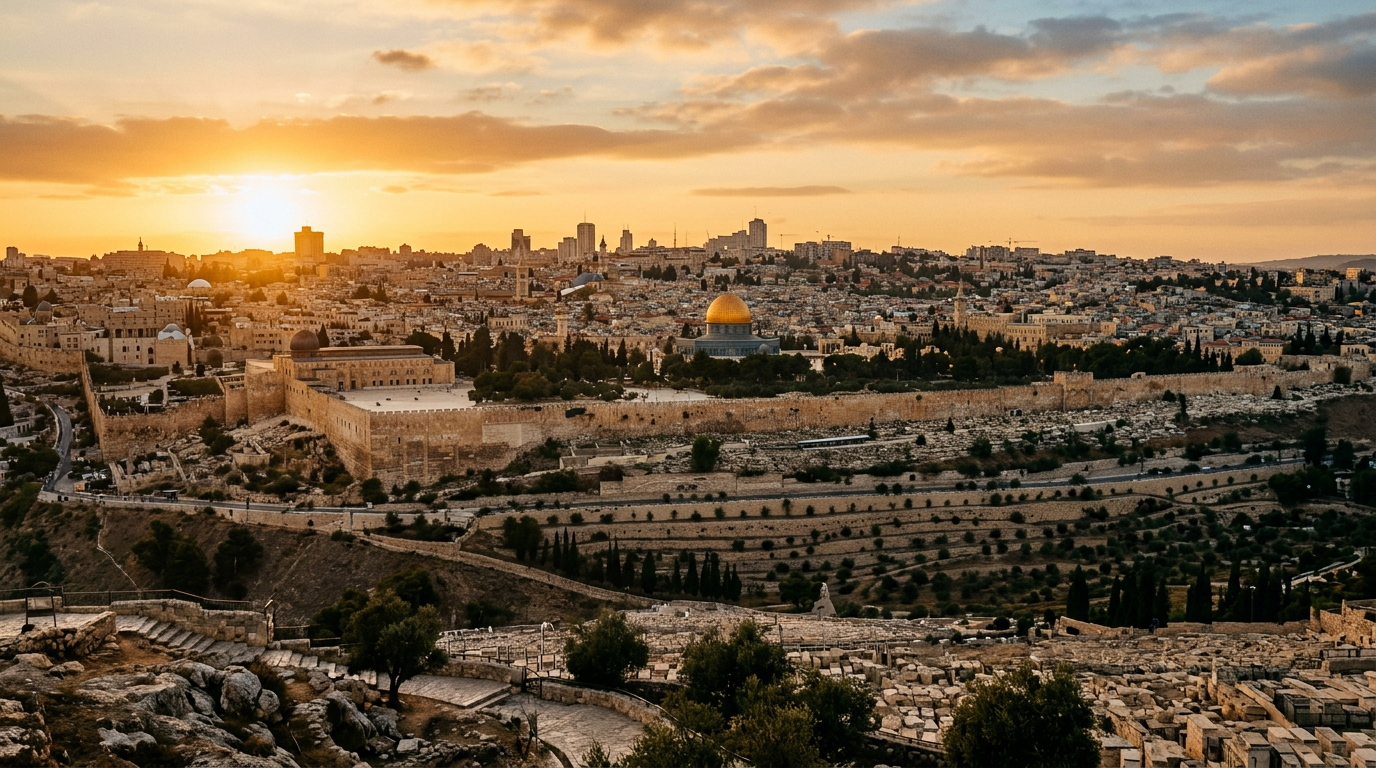
Shore Excursion from Ashdod
From USD $189 · 10 hours
Is Jerusalem Right for You?
Sacred sites require preparation — appropriate dress, respectful behavior, and often early mornings. If you are willing to do the homework, these are some of the most meaningful travel experiences available.
The Emotional Weight of Jerusalem
Every visitor carries expectations to Jerusalem. Religious pilgrims expect transcendence. History buffs expect discovery. And almost everyone underestimates the emotional weight of standing in a place where three major religions intersect — sometimes peacefully, sometimes not.
I have cried twice in Jerusalem. Once at the Church of the Holy Sepulchre during Easter, watching a Greek Orthodox priest emerge from the tomb with the Holy Fire. Once at Yad Vashem, in the Children's Memorial, where a single candle is reflected by mirrors into 1.5 million points of light. Neither moment was planned. Jerusalem does not ask permission before it gets under your skin.
What to Know Before You Go
The Old City covers 0.9 square kilometres divided into four quarters — Muslim, Christian, Jewish, and Armenian. You can walk from the Western Wall to the Church of the Holy Sepulchre in under ten minutes, crossing centuries of contested history with every step.
The Western Wall receives 10 million visitors annually. The plaza is divided into men's and women's sections — a policy that surprises first-time visitors who picture a single open space.
The Church of the Holy Sepulchre has been jointly managed by six Christian denominations since the 1852 Status Quo agreement. The key to the church is held by a Muslim family — a tradition dating to the 12th century.
Personal Story — Western Wall at 4 AM
March 2018. I arrived at the Western Wall at 4 AM on a Tuesday. The plaza was empty except for an old man wrapped in a tallit, rocking back and forth. I am not Jewish, but I understood in that moment why this place matters. The limestone was cold under my fingers. Paper prayers were wedged into every crack. Stars still out. By 7 AM the plaza would be packed with tour groups and selfie sticks — but those three hours at dawn were the closest thing to silence Jerusalem offers. Go before dawn. The Wall at 4 AM is a different place.
Local Advice
Visit the Western Wall Thursday evening or Friday morning to catch Bar Mitzvah ceremonies — the plaza fills with singing, dancing, and thrown sweets. It's the most joyful the Wall ever gets.
Carry a scarf year-round. Jerusalem's religious sites require covered shoulders and knees regardless of season. Summer visitors in tank tops get turned away at the Church of the Holy Sepulchre.
What to Avoid
Not recommended: Old City on Friday afternoons (everything closes for Shabbat by 3 PM, streets become chaotic), or the Mount of Olives at midday in August (zero shade, 38°C, no water vendors).
How I Approach Jerusalem
I have visited Jerusalem seven times across twelve years. Each visit I learn something I got wrong the previous time. In 2016 I booked a hotel in East Jerusalem thinking it would be quieter — it was, but I spent 40 minutes each morning crossing checkpoints to reach the Old City. In 2019 I made the opposite mistake: a hotel inside Jaffa Gate so close to the action that the call to prayer and church bells overlapped at 5 AM.
The city rewards people who walk. Not the guided-tour kind of walking where someone else decides what you look at, but the kind where you get lost in the Muslim Quarter at 10 AM on a Tuesday and find a coffee vendor who has been there since 1972. Those walks are where I learned the city's actual geography — not the map version, but the lived version where a 15-minute straight line becomes 40 minutes of narrow stairs and an unexpected checkpoint.
Jerusalem is not a city you visit once and understand. It is a city that reveals itself slowly, and only if you let it. The people who arrive with a checklist and two days leave with photographs and no understanding. The people who stay a week and wander leave changed.
Practical Notes I Wish Someone Had Given Me
Dress code is enforced. At the Western Wall, men must cover their heads (free paper kippahs available at the entrance). At the Church of the Holy Sepulchre, guards will turn away visitors with bare shoulders or shorts above the knee. At the Dome of the Rock, women must cover hair, arms, and legs. Carry a large scarf — it solves all three.
Friday is not a normal day. Muslim prayers at Al-Aqsa draw large crowds Friday midday. Jewish Shabbat begins Friday at sundown — everything in West Jerusalem closes, including public transport. The Old City stays open but feels different. Plan around it.
The Mount of Olives has no shade. If you walk down from the top (the classic route), do it before 9 AM or after 4 PM. The midday sun on that hillside is brutal. There is one water vendor at the bottom near the Church of All Nations. That is all.
Security is real and visible. You will be scanned entering the Western Wall plaza. You will see armed soldiers in the Old City. This is normal and has been for decades. No one will bother you, but do not photograph military checkpoints or personnel.