Varanasi Sunrise Boat Guide: Which Ghats, What It Costs, and How to Book
I Didn't Expect the Ganga to Feel Like This
I arrived at Dashashwamedh Ghat at 5:15 AM in November 2017. Five boatmen surrounded me before I could get my bearings — each quoting ₹2,000 for a sunrise ride. I had read the guides, knew the prices were inflated, but the pressure was real. I walked 50 metres south to Munshi Ghat, where the crowds thinned. A teenage boy sat on the steps with his oars. He asked for ₹400 for an hour. I said yes.
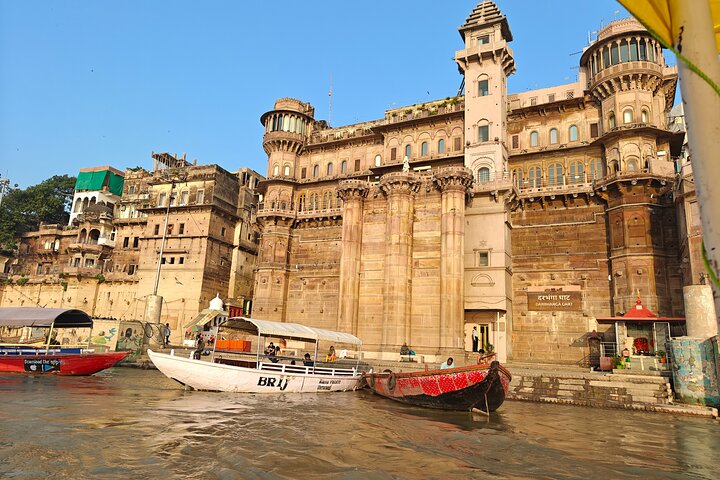
That morning, he rowed slowly, naming every ghat as we passed. At one point he pointed to a bend in the river and said, "That's where the Ganga turns north toward the Himalayas." I had been reading about Varanasi for years. But I had never seen that bend on a map.
The boat ride changed how I understood the city. From the water, the ghats are a continuous spine of stone steps, temples, and smoke. You see the whole sweep — from Assi Ghat in the south to Manikarnika in the north. The noise of the city fades. The only sounds are the oars and the occasional temple bell.
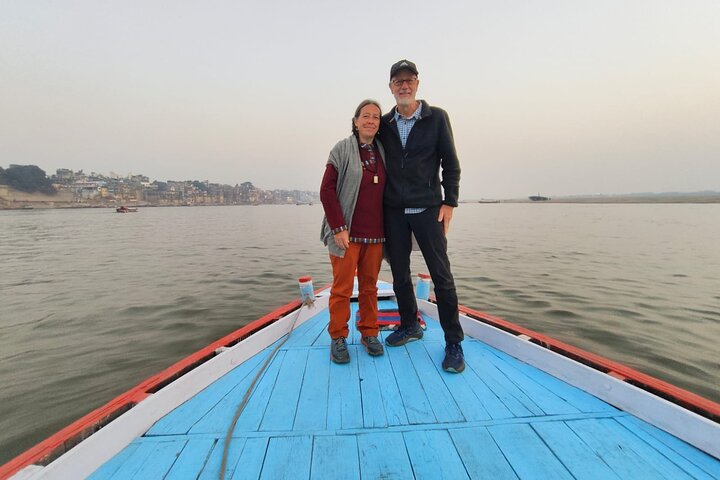
I have returned to Varanasi five times since that first trip. Each time I take a sunrise boat. And each time I learn something new about the river, the ghats, and the people who live on them.
If you want a guided experience that covers the key ghats with a knowledgeable local, I recommend booking a Varanasi sunrise boat tour — it saves you the negotiation hassle and includes commentary on the history of each ghat.
Varanasi Sunrise Boat Tour
A 90-minute guided tour from Assi Ghat to Manikarnika and back. Includes a stop for chai at a riverside stall. The guide explains the significance of each ghat. Best for first-time visitors who want context without the negotiation stress.
Check Availability →The Moments That Made the Sunrise Boat in Varanasi
I have done the sunrise boat ride in winter, summer, and monsoon. Each season gives you something different.
In winter (November to February), the fog sits thick on the water until 8 or 9 AM. You hear the ghats before you see them — the clang of temple bells, the splash of bathers, the murmur of prayers. I remember one December morning when the fog was so dense I could not see the boatman's face from two metres away. He hummed a bhajan. I sat in the dark, listening, trusting the current.
In summer (March to June), the 5 AM departure is genuinely worth it. The air is cool. The sky clears quickly. The sun rises over the eastern bank and turns the river the colour of old brass. By 7 AM the heat is building, but those first two hours are perfect.
One moment I return to often: passing Manikarnika Ghat, the main cremation ghat. The boatman slowed the boat and pointed. "Do not photograph," he said quietly. I did not. I watched the smoke rise, the families gathered, the priests chanting. From 30 metres offshore, it is a scene of profound dignity. The sunrise boat tour I book always includes this respectful distance — it is the only way to see it.
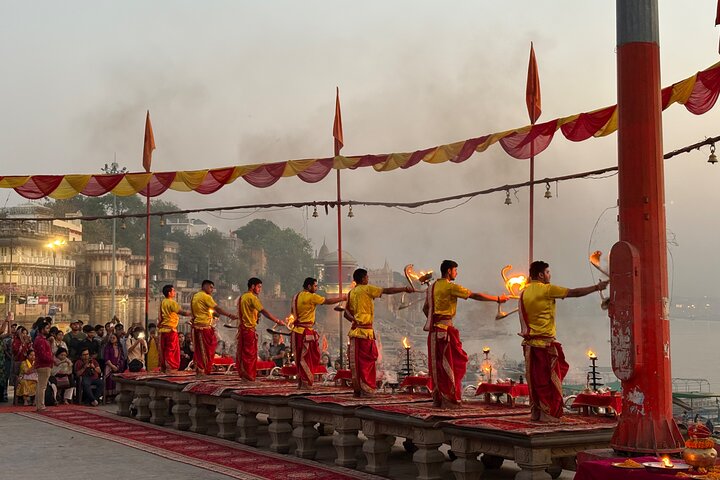
Another moment: the Ganga Aarti from the boat. I have watched the evening aarti from the steps of Dashashwamedh Ghat, packed shoulder to shoulder with hundreds of others. It is an experience, but not a comfortable one. From a boat 50 metres out, you see the full choreography — the priests raising the seven-tiered lamps, the smoke, the fire, the river reflecting it all. I watched from a boat on my second visit and it was the right call.
There is no second product to feature here — the sunrise boat itself is the experienc
What Really Surprised Me About Varanasi Boat Tours
Three things caught me off guard, and they are the things most guides do not mention.
First, the negotiation is real. The ₹2,000 quote I got at Dashashwamedh Ghat was not an outlier — it is standard for boatmen who work the main ghats. The trick is to walk 50 metres south or north to a smaller ghat. Munshi Ghat, Shivala Ghat, or even Assi Ghat will give you better prices. I paid ₹400 for an hour in 2017, and ₹500 in 2023. For a private boat, expect ₹800–1,500. Shared boats cost ₹300–500 per person. Always agree on the price and duration before getting in. And pay after the ride ends — paying in advance gives the boatman no incentive to complete the full rout
Second, the fog in winter is not romantic — it is disorienting. I have been on boats that could not move for 20 minutes because the boatman could not see the ghats. He knew the river by sound and feel. It was safe, but unnerving. If you go in winter, do not expect clear views until 8 or 9 AM. The 5 AM departure means you will hear the city wake up before you see it. That can be beautiful, but it is not for everyon
Third, the boatmen know exactly which ghats to show you and which to skip. A standard trip covers 15–20 ghats from Assi to Manikarnika and back. But some boatmen will rush past the less photogenic ghats — the ones with crumbling steps, the ones where people wash clothes, the ones where the sewage pipes empty (though the Ganga Action Plan has improved this). If you want to see the real ghats, ask the boatman to go slowly and name each one. The teenage boy who took me on my first trip did that. He pointed out the ghat where his grandfather had been cremated. He showed me the spot where the river turns north. He told me which ghats were built by Maratha kings and which by the British.
That kind of knowledge is worth more than a polished tour script.
Nadia Osman's Insider Tips for Getting It Right
- Negotiate boat price before getting in. ₹500 for a 1-hour private sunrise ride is fair. Pay in rupees, cash only. Do not pay in advance.
- Best Ganga Aarti view is from a boat positioned downstream of Dashashwamedh Ghat. You see the full ceremony without the crowd. Book a boat 30 minutes before sunset.
- Best views of Manikarnika Ghat are from a boat 30 metres offshore. Do not photograph from the ghat steps — it is both disrespectful and enforced. I have seen tourists have their phones confiscated.
- Winter (Nov-Feb): Fog delays boats until 8–9 AM. The aarti starts at 5:30 PM instead of 6:30 PM in summer. Plan accordingly.
- Summer (Mar-Jun): Clear skies but hot. The 5 AM departure is genuinely worth it for the cool air. Bring water and a hat.
- Common mistake: Taking photos of cremation ghats. Strictly prohibited and deeply disrespectful. Do not even raise your phone.
- Common mistake: Paying boatmen in advance. They may shorten the ride significantly. Always pay after the ride ends.
- For a deeper experience: Combine the sunrise boat with a walking tour of the ghats. I recommend reading our Varanasi travel guide for a full itinerary.
What I Wish I'd Known Before I Went
I wish someone had told me that the sunrise boat is not a solitary meditation — it is a negotiation, a sensory assault, and a geography lesson all at once. I wish someone had told me to bring a scarf for the cold morning air in winter, and to wear shoes I did not mind getting wet. I wish someone had told me that the boatmen speak English better than they let on, and that asking questions opens doors.
I wish someone had told me to walk to Munshi Ghat instead of Dashashwamedh. That single piece of advice would have saved me ₹1,600 on my first trip.
And I wish someone had told me that the best boat ride is not the one you book online — it is the one you find by walking south, trusting the river, and saying yes to the teenage boy with the oars.
For more on planning your trip, see our Varanasi destination page and the Ganga Aarti guide. If you want a structured experience, the Ganges sunrise boat tour page has practical booking details.
Explore More
Related comparisons and guides:
Frequently Asked Questions
What is the typical price for a Varanasi sunrise boat tour?
For a shared boat, expect ₹300–500 INR per person for a 60–90 minute ride. For a private boat, ₹800–1,500 INR. Always negotiate before getting in and pay after the ride ends.
Which ghats do the boatmen take you to?
Most boatmen cover 15–20 ghats from Assi Ghat in the south to Manikarnika Ghat in the north and back. Key stops include Dashashwamedh, Manikarnika, and the burning ghats.
Is the 5 AM departure worth it in winter?
In winter (November to February), heavy fog often delays clear views until 8–9 AM. The 5 AM departure means you will hear the ghats before you see them. It can be atmospheric, but if clear views are your priority, wait until 7 AM.
Can I photograph the cremation ghats from a boat?
No. Photography of Manikarnika Ghat and other cremation ghats is strictly prohibited and deeply disrespectful, whether from the steps or from a boat. Do not raise your phone or camera near these areas.
How do I avoid being overcharged for a boat ride?
Walk 50 metres south from Dashashwamedh Ghat to Munshi Ghat or Shivala Ghat. Boatmen there quote lower prices. Negotiate firmly — ₹500 for a 1-hour private ride is fair. Pay in cash after the ride ends, not befor
What is the best time of year for a sunrise boat tour in Varanasi?
Summer (March to June) offers clear skies and cooler mornings if you depart at 5 AM. Winter (November to February) has fog but fewer crowds. Monsoon (July to September) is less reliable due to rain and river currents.