Bodh Gaya vs Jerusalem — A Complete Guide
I Did Both Bodh Gaya and Jerusalem — Here's What Nobody Tells You
I arrived in Bodh Gaya on a Tuesday afternoon in December 2016. The train from Gaya Junction was two hours late, and the rickshaw driver dropped me at a guesthouse that had no hot water. I didn't care. I walked to the Mahabodhi Temple complex before sunset, and the first thing I noticed was the silenc
Not the kind of silence you get in an empty room. The kind that settles over a place where people have been sitting still for 2,500 years. Monks in saffron robes circled the temple in slow, deliberate steps. A group of Tibetan pilgrims prostrated near the Bodhi Tree. I sat on a stone bench under a peepal tree and watched the light change on the temple spire. I am not a Buddhist, but I understood in that moment why the Buddha chose this spot.
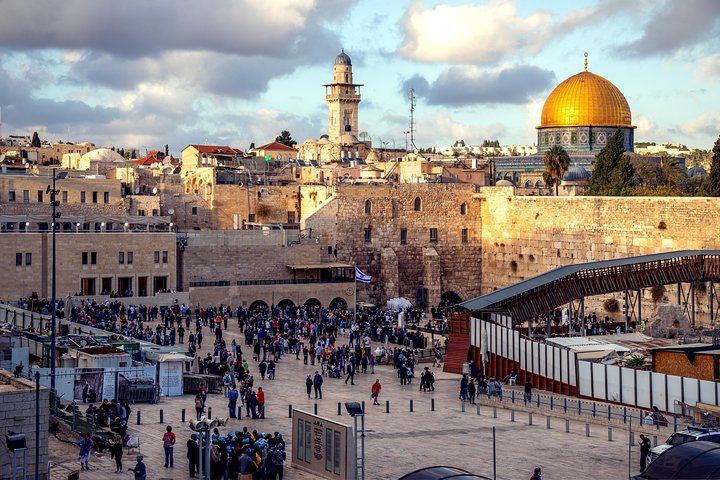
Two years later, I stood at the Western Wall in Jerusalem at 4 AM on a Thursday in March 2018. The plaza was empty except for an old man wrapped in a tallit, rocking back and forth. The limestone was cold under my fingers. Paper prayers were wedged into every crack. The stars were still out. I am not Jewish, but I understood in that moment why this place matters.
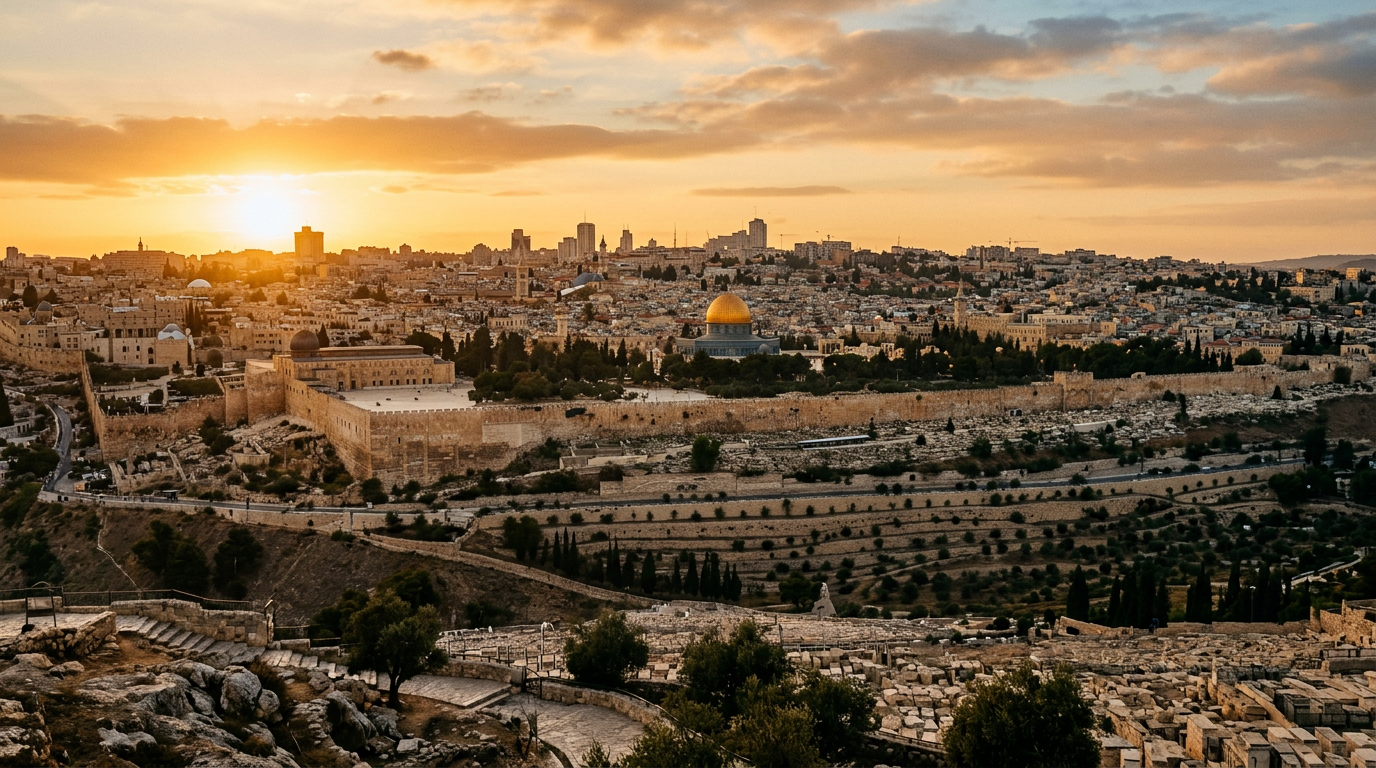
These two pilgrimages — Bodh Gaya and Jerusalem — are often compared as the spiritual poles of the East and West. But comparing them isn't about ranking. It's about understanding what each one demands of you. Here's what I learned from doing both.
Product 1 — The Bodh Gaya Experience
I booked a guided tour of the Mahabodhi Temple complex through Viator for my second visit in 2019. The Mahabodhi Temple and Meditation Tour started at 5 AM, which meant I was inside the complex before the crowds arrived. The guide, a local man named Rajiv, pointed out the exact spot where the Buddha is said to have sat in meditation. He showed me the vajrasana — the diamond throne — under the Bodhi Tree. He explained the carvings on the railing that dates to the 3rd century BCE.
The tour lasted three hours. We visited the meditation garden, the museum, and the giant Buddha statue. Rajiv told me to come back alone at 4:30 AM the next day. "That's when the monks begin their morning chants," he said. "The meditation garden is silent. You can sit for an hour before the tourists arrive." I did. It was the right call.
Mahabodhi Temple and Meditation Tour
A thorough 3-hour guided walk through the temple complex, museum, and meditation garden. The 5 AM start avoids the heat and the crowds. Not ideal if you prefer exploring alone — the guide talks continuously.
Check Availability →Why Bodh Gaya Nearly Won Me Over
I spent six days in Bodh Gaya in total. By day three, I had fallen into a rhythm. Wake up at 4 AM. Walk to the temple complex. Sit in the meditation garden until the sun climbed over the trees. The temperature in December was 15°C in the mornings — perfect for sitting still. The monks from the Bhutanese monastery would arrive around 5:30 AM, their voices low and steady.
One morning, a Thai monk gestured for me to join him under the Bodhi Tree. He didn't speak English, but he pointed at the leaves and smiled. We sat together for 45 minutes without a word. That moment — the simplicity of it — nearly made me cancel my flight to Jerusalem.
But I had a ticket, and I had work to do. So I left Bodh Gaya on a Sunday morning, took the train back to Gaya, and flew to Tel Aviv via Istanbul.
Product 2 — The Jerusalem Experience
I landed in Jerusalem on a Thursday evening in March 2018. The next morning, I booked a guided tour of the Old City through this Old City walking tour that started at 7 AM at Jaffa Gate. The guide, a Palestinian Christian named Sami, walked us through the four quarters for four hours. He showed me the exact stone where the Crusaders breached the walls. He explained the layout of the Church of the Holy Sepulchre — the rotunda, the Golgotha rock, the aedicul
The tour was thorough, but the real lesson came the next day. I walked the Via Dolorosa on a Friday morning in April 2019, during Holy Week. The Franciscan friars led the procession at 5:45 AM carrying a wooden cross. The cobblestones were wet from overnight rain. At Station 5, a shopkeeper handed out cups of mint tea from a tray. By Station 9 the crowd was 200 deep, but the first hour was quiet.
I learned that the Via Dolorosa is best walked before 7 AM. The Franciscans do a private procession most Fridays — you can join by asking at St. Saviour Monastery the day before. I did that the following week, and it was a different experience entirely. No crowds. No vendors. Just the sound of footsteps on ston
Old City Walking Tour with Licensed Guide
A 4-hour walk through all four quarters with a knowledgeable local guide. The early start avoids the heat and crowds. Not for anyone with mobility issues — the Old City has steep steps and uneven cobblestones.
The Moment I Made My Decision
I stood at the Western Wall on a Thursday evening in March 2018, watching a Bar Mitzvah ceremony. The family had gathered near the men's section, passing around a bottle of kosher wine. The boy read from the Torah — his voice cracking slightly — and the men around him cheered. A woman next to me was crying. She wasn't part of the family. She was just a visitor, like m
The contrast hit me then. In Bodh Gaya, the pilgrimage is inward. You sit under a tree. You watch your breath. You wait. In Jerusalem, the pilgrimage is outward. You walk a route. You touch a wall. You witness a ceremony that has been happening in the same place for 3,000 years.
I chose Jerusalem — but not because it's better. I chose it because I needed the outward journey at that moment in my life. The Via Dolorosa, the Western Wall at 4 AM, the Church of the Holy Sepulchre at dawn — these places demanded that I move, that I participate, that I touch the stones.
If you're trying to decide between Bodh Gaya and Jerusalem, ask yourself what you need right now. If you need stillness, go to Bodh Gaya. If you need to walk a path that millions have walked before you, go to Jerusalem.
What I Wish I'd Known Before I Went
Bodh Gaya: The Mahabodhi Temple opens at 4:30 AM. Go then. The meditation garden is silent, and the monks begin their morning chants around 5 AM. The best season is November through February. I made the mistake of visiting in May once — temperatures exceeded 42°C, and the temple complex was nearly empty by 10 AM. Pack light cotton clothes and a shawl for the meditation garden — it gets chilly before sunris
Don't wear shorts or sleeveless tops to the temple. I saw a tourist turned away at the entrance for wearing a tank top. The security guards are strict. Carry a scarf to cover your shoulders and knees.
Jerusalem: Visit the Western Wall on Thursday evening or Friday morning for Bar Mitzvah ceremonies. The atmosphere is celebratory. The Temple Mount opens at 7:30 AM Sunday through Thursday — line up at the Mughrabi Gate by 7 AM with your passport. Only 200-300 non-Muslims are admitted per session. I arrived at 8 AM once and the queue was already closed.
Don't wear shorts or sleeveless tops to any religious site in Jerusalem. I saw a woman denied entry to the Church of the Holy Sepulchre for wearing a sleeveless dress. The guards handed her a paper shawl from a bin near the entrance. Carry your own scarf.
The Ramparts Walk costs ₪25 and takes about 90 minutes. Enter at Jaffa Gate for the northern section — the views of the Christian and Muslim Quarters are the best. I did this on my third day and wished I had done it on the first.
Spring (March to May) has the best weather, but Passover and Easter overlap some years, and hotels book out months in advance. If you're visiting during that period, reserve your accommodation at least three months ahead. I learned this the hard way in 2019 — I ended up staying in a hostel in East Jerusalem for four nights because every hotel in the Old City was full.
For more on these destinations, read my Bodh Gaya guide and practical tips for Bodh Gaya. If you're comparing other pilgrimage sites, see my Amritsar vs Bodh Gaya comparison or Jerusalem vs Mecca.
Explore More
Related comparisons and guides:
Bodh Gaya & Jerusalem in Photos
Frequently Asked Questions
Which is better for a first-time pilgrim: Bodh Gaya or Jerusalem?
It depends on what you're seeking. Bodh Gaya is quieter and more introspective — you sit, meditate, and observe. Jerusalem is more active — you walk, touch, and witness ceremonies. For a first-time pilgrim, I recommend Jerusalem if you want a structured route (the Via Dolorosa, the Old City quarters) and Bodh Gaya if you want stillness.
What's the best time of year to visit Bodh Gaya?
November through February. Temperatures are comfortable (15-25°C) and the mornings are cool. Avoid May and June — temperatures exceed 42°C and the temple complex is nearly empty by 10 AM. The monsoon season (July-September) brings heavy rain.
What's the best time of year to visit Jerusalem?
Spring (March to May) and autumn (September to November) have the best weather. Passover and Easter overlap some years — book accommodation three months ahead if traveling during that period. Summer (June-August) is hot and crowded. Winter (December-February) can be rainy and cold.
Can I visit both Bodh Gaya and Jerusalem in one trip?
Technically yes, but I don't recommend it. The cultural and religious contexts are so different that you need time to absorb each one. I spent six days in Bodh Gaya and ten days in Jerusalem, and I still felt rushed. If you have limited time, choose one and give it your full attention.
What should I wear in Bodh Gaya and Jerusalem?
In both places, cover your shoulders and knees. In Bodh Gaya, lightweight cotton clothes are best. In Jerusalem, carry a scarf for religious sites — the Church of the Holy Sepulchre and the Western Wall are strict about sleeves. Avoid shorts and sleeveless tops entirely. I saw tourists turned away at both locations for improper dress.
Which destination is more expensive: Bodh Gaya or Jerusalem?
Jerusalem is significantly more expensive. Accommodation in the Old City starts around $100-150 per night for a basic room. Bodh Gaya guesthouses cost $10-30 per night. Food in Jerusalem is also pricier — a simple meal costs $15-20 compared to $2-5 in Bodh Gaya. However, guided tours in both places are similarly priced ($40-60 for a half-day tour).
Which is better for a first-time pilgrim: Bodh Gaya or Jerusalem?
It depends on what you're seeking. Bodh Gaya is quieter and more introspective — you sit, meditate, and observe. Jerusalem is more active — you walk, touch, and witness ceremonies. For a first-time pilgrim, I recommend Jerusalem if you want a structured route (the Via Dolorosa, the Old City quarters) and Bodh Gaya if you want stillness.
What's the best time of year to visit Bodh Gaya?
November through February. Temperatures are comfortable (15-25°C) and the mornings are cool. Avoid May and June — temperatures exceed 42°C and the temple complex is nearly empty by 10 AM. The monsoon season (July-September) brings heavy rain.
What's the best time of year to visit Jerusalem?
Spring (March to May) and autumn (September to November) have the best weather. Passover and Easter overlap some years — book accommodation three months ahead if traveling during that period. Summer (June-August) is hot and crowded. Winter (December-February) can be rainy and cold.
Can I visit both Bodh Gaya and Jerusalem in one trip?
Technically yes, but I don't recommend it. The cultural and religious contexts are so different that you need time to absorb each one. I spent six days in Bodh Gaya and ten days in Jerusalem, and I still felt rushed. If you have limited time, choose one and give it your full attention.
What should I wear in Bodh Gaya and Jerusalem?
In both places, cover your shoulders and knees. In Bodh Gaya, lightweight cotton clothes are best. In Jerusalem, carry a scarf for religious sites — the Church of the Holy Sepulchre and the Western Wall are strict about sleeves. Avoid shorts and sleeveless tops entirely. I saw tourists turned away at both locations for improper dress.
Which destination is more expensive: Bodh Gaya or Jerusalem?
Jerusalem is significantly more expensive. Accommodation in the Old City starts around $100-150 per night for a basic room. Bodh Gaya guesthouses cost $10-30 per night. Food in Jerusalem is also pricier — a simple meal costs $15-20 compared to $2-5 in Bodh Gaya. However, guided tours in both places are similarly priced ($40-60 for a half-day tour).