Varanasi Pilgrimage Tours: Temples, Ghats, and How the Tours Differ
We earn a commission when you book through our links on Viator (PID P00299531), at no extra cost to you. This is how we keep the site free. Learn more →
What shapes a visit to Varanasi
A pilgrimage tour in Varanasi works when it follows the city's own rhythm: the river at dawn, lanes and temples before the heat builds, and a real pause in the middle of the day.
India's Ministry of Tourism describes Varanasi as a pilgrimage city on the Ganges and directs visitors to its ghats and sacred sites.
My own first lesson came in the summer of 2019 at the Godowlia crossing. The heat came up off the road in visible waves and my shirt was soaked through before ten. I had brought good walking shoes and no way to carry water. A cycle rickshaw bell rang directly behind my ear and I understood, too late, that I had planned this trip like a European city break.
Full Day Varanasi Private Tour with Temples, Ghats & Rituals: what the itinerary covers
Looking back at that Godowlia morning, what I lacked was structure: someone to set the order of the day and give the hot hours back to me. A private full day like this one supplies that structure. It pairs you with a local guide, opens with a sunrise boat, and then moves through old temples and alleyways, with the guide's stories carrying the thread between stops.
Planning pilgrimage tours in Varanasi
The moments that justify a Varanasi pilgrimage tour happen early and on foot or on water: a dawn boat along the ghats, then a slow walk from the southern steps toward the cremation grounds.
In the winter of 2021 we pushed off in fog so thick the far bank did not exist, and the oarlocks creaked in a steady rhythm. Along the ghats, men chest-deep in cold water cupped handfuls toward a sun I could not yet see. Someone set a leaf lamp adrift and it slid past our hull, still burning. I was a guest at other people's prayers, and the boat kept a respectful distance that I was grateful for.
That fog is the reason I now tell people to take the dawn boat on their first morning, not their last.
Two years later, in autumn 2023, I walked the river instead. I started south at Assi where the steps were wide and washed, and walked north for two hours past wrestlers, laundry laid flat on stone, and goats asleep in doorways. Near the burning ghat the air changed: woodsmoke, heat, and a silence that made me stop talking mid-sentence. Walking south to north in the morning builds the right emotional order, and it keeps the sun behind you.
Manikarnika is a place of grief for the families there, and I would approach it that way before thinking of it as a sight.
One Day Admirable tour in Varanasi Private Guided Tour: who this tour suits
This private day follows almost exactly the emotional order I recommend. It begins very early with a hand-rowed boat along the ghats to Manikarnika, moves into the old town lanes and temples, heads to Sarnath after breakfast, and ends with evening aarti viewed from a rooftop seat.
What Surprised Me About Varanasi
Sarnath surprised me most. It sits close to Varanasi on the map and far away in traffic, and the contrast on arrival is disorienting.
On a winter day in 2024 I made that detour. The car crawled through horn-blare and diesel for what felt like forever, and I regretted the detour twice. Then the city thinned into fields and low brick, and we arrived at lawns so quiet I could hear my own footsteps on the gravel. The contrast was almost physically disorienting, and it changed how I think about sequencing the two places.
For background on the Deer Park and its Buddhist heritage, I would start with the Ministry of Tourism's Sarnath page before relying on any tour description.
Planning the visit well
Getting a Varanasi pilgrimage tour right comes down to confirming three things locally: the ceremony timing, the festival calendar, and exactly which sites your guide will cover.
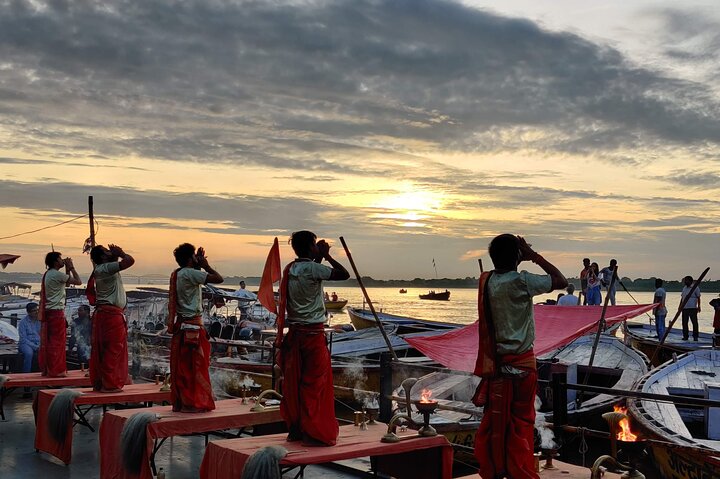
Start with the aarti. Dashashwamedh Ghat hosts Ganga Aarti, and ceremony timing varies with the season, so confirm the day's start time locally.
Festival travel needs its own check. Dev Deepawali follows the Hindu lunar calendar, so confirm the published festival date before booking transport or accommodation.
If you are weighing this city against a very different sacred landscape, my notes on comparing the two pilgrimage cities set out how the planning demands differ.
Before you visit
Before my first trip I wish I had known that Varanasi punishes planning built for cooler, calmer cities. The mistakes below are the ones my own stories taught me, and each can be fixed at the booking stage.
- I planned my 2019 trip like a European city break, and the heat and traffic corrected me by mid-morning. Build your schedule around a midday retreat from the start.
- A dawn boat saved for the final morning leaves you no margin if winter fog rolls in. Put it on day one and keep a spare morning in reserve.
- A group tour can cost you the unhurried pause at the ghats.
- Sarnath added casually to a short day can turn into an afternoon lost to traffic. Commit to it only with a full day and an early departure.
- Some listings leave Sarnath or aarti unconfirmed. Get written confirmation of every site before you pay.
Readers planning a wider pilgrimage calendar can see how I approach guided tours in the Holy Land in my guide to pilgrimage tours there, or browse walking routes in my overview of Christian pilgrimage routes.
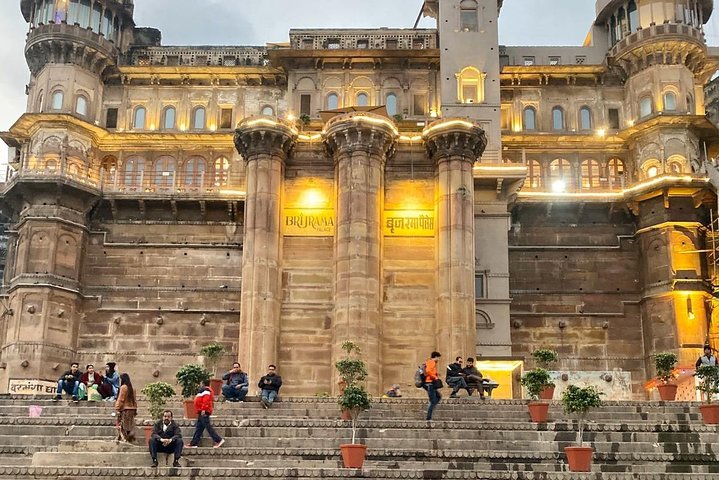
Full Day Varanasi Private Tour with Temples, Ghats & Rituals
From $24 · Price checked: Aug 2026
Best for: Travellers wanting a private full day in Varanasi shaped by a local guide's stories, who are happy to agree on stops in advance.
Not for: Planners who need a named site list, or those with limited stamina for an eleven hour day.
A private eleven hour day with a local guide, starting with a sunrise boat and moving through old temples and alleyways. Site detail is thin, so confirm whether Sarnath or aarti is included.
Check availabilityExternal booking on Viator · pricing and cancellations handled by Viator
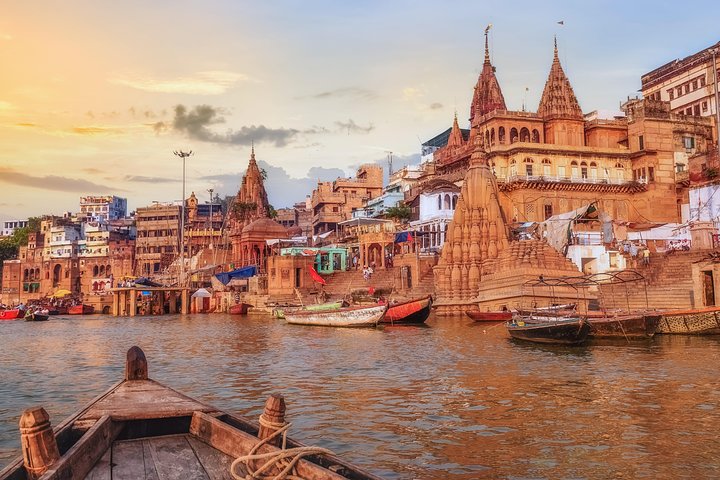
One Day Admirable tour in Varanasi Private Guided Tour
From $65.38 · Price checked: Aug 2026
Best for: Travellers with one day in Varanasi who can manage a very early start and a twelve to fourteen hour schedule, and who value seated aarti viewing.
Not for: Anyone uncomfortable passing an active cremation ghat, or travellers who want a gentler pace spread over two days.
A long private day starting with a 5 am hand-rowed boat along the ghats to Manikarnika, then old town lanes and temples, Sarnath after breakfast, and evening aarti viewed from a rooftop seat.
Check availabilityExternal booking on Viator · pricing and cancellations handled by Viator
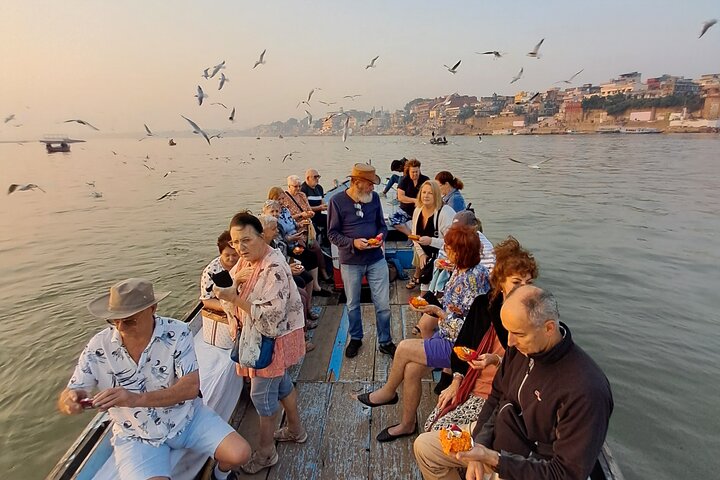
Full Day Sightseeing Of Varanasi - Ultimate 1 Day in Varanasi
From $69.69 · Price checked: Aug 2026
Best for: First-time visitors with one day who want a wide spread of temples plus Sarnath, with breaks back at the hotel between sessions.
Not for: Travellers who prefer walking in the old lanes or a slower day, as the plan moves between many stops.
A full day built around a dawn Ganges boat ride, a temple circuit including Kashi Vishwanath, Sankat Mochan and Bharat Mata, an afternoon in Sarnath with its museum, and evening aarti.
Check availabilityExternal booking on Viator · pricing and cancellations handled by Viator
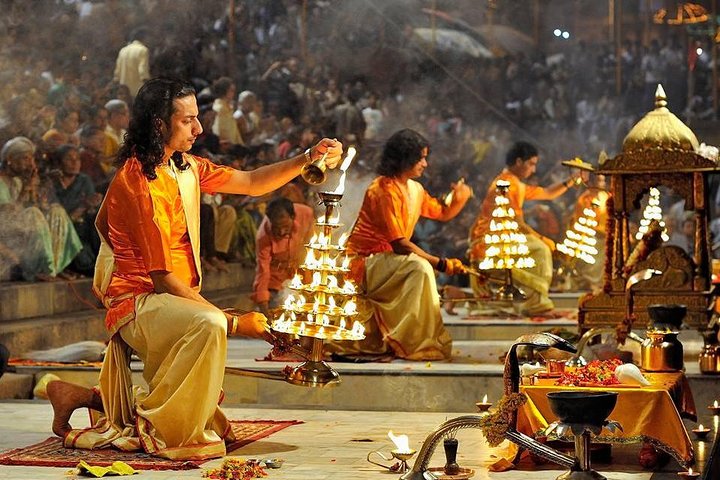
Varanasi tour in one day
From $63 · Price checked: Aug 2026
Best for: Short-stay visitors with a single day and stamina for up to fourteen hours, who want Hindu and Buddhist sites handled in one private plan.
Not for: Travellers uncomfortable at cremation grounds, or anyone with limited energy who would be better served splitting the day.
A private package for one full day, covering the sunrise boat, old alleys and a cremation ground, Sarnath and evening aarti. Coverage matches similar full-day plans, so compare timings and details.
Check availabilityExternal booking on Viator · pricing and cancellations handled by Viator
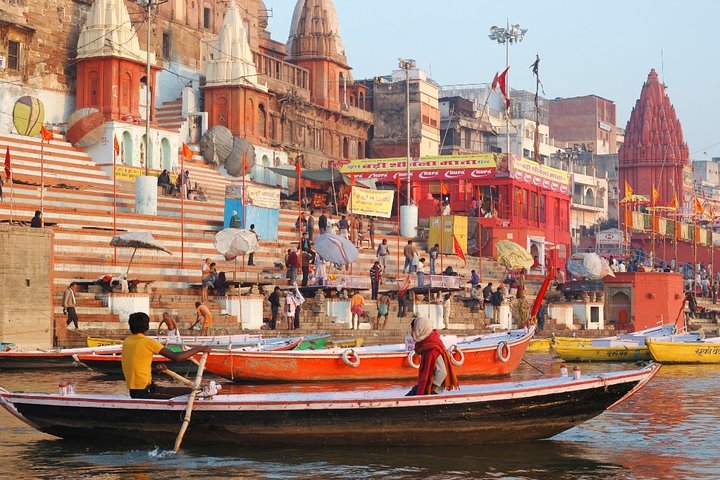
Private Full-Day Varanasi Tour with Boat Ride
From $70 · Price checked: Aug 2026
Best for: Travellers with one full day who want Hindu and Buddhist sites plus a museum, at a private pace that suits families or older visitors able to handle an early start.
Not for: Anyone wanting long walks in the old city lanes, or who prefers not to spend twelve hours on a single outing.
A private full day pairing a sunrise Ganges boat ride with the Bharat Kala Bhavan museum at BHU and Dhamekh Stupa in Sarnath, ending at evening aarti. The museum stop sets it apart from similar day plans.
Check availabilityExternal booking on Viator · pricing and cancellations handled by Viator
![Varanasi Morning Boat Tour [RowBoat] - photo](/images/7330P3.jpg)
Varanasi Morning Boat Tour [RowBoat]
From $45 · Price checked: Sep 2026
Best for: Early risers and travellers with limited mobility who want a seated, slow-paced morning on the river as a first introduction to the ghats.
Not for: Visitors wanting temples, Sarnath or the evening aarti, none of which is included in this morning outing.
A three hour rowboat outing at sunrise along the ghats, observing Hindu daily life on the riverbanks. It allows more time on the water than the shorter 80 minute sunrise option.
Check availabilityExternal booking on Viator · pricing and cancellations handled by Viator
Explore More
Related comparisons and guides:
Frequently Asked Questions
Do I need a full-day tour to see the dawn river in Varanasi?
You do not, because a dedicated morning rowboat outing covers the ghats at sunrise on its own.
Where does Sarnath sit in these one-day itineraries?
Placement differs by operator: one plan visits after breakfast, while another saves Sarnath and its museum for the afternoon.
What should I keep in my day bag for temple visits?
Keep a scarf and a covering layer in the bag even if you start the day dressed for the river.
How do I find out when Ganga Aarti starts on my date?
Ask your hotel or guide on the day itself, since the start time shifts with the season.
Can I book a Varanasi tour during Dev Deepawali?
You can, but check the published lunar-calendar date first and then ask the operator in writing whether their evening programme runs as normal that night.
Written from Jerusalem and Cairo.