Christian Pilgrimage Routes: Jerusalem, Rome, Santiago - How to Choose Your Christian pilgrimage
We earn a commission when you book through our links on Viator (PID P00299531), at no extra cost to you. This is how we keep the site free. Learn more →
What shapes a visit to Christian pilgrimage
Choosing between Jerusalem, Rome and Santiago comes down to what your body, your calendar and your patience can carry. Jerusalem packs the Gospel sites into dense, layered lanes. Rome spreads its basilicas across a city that is easy to move through. Santiago asks you to walk.
Rome changed how I weigh the other two. In autumn 2024 I walked between basilicas on flat city pavement in ordinary shoes, ducking into cafés when it rained, with no checkpoint, no ascent and no ferry. The scale was overwhelming but the logistics were the easiest of any pilgrimage city I have reported from, which felt almost like cheating. I came home convinced that pilgrims should match the route to their constraints first and their longings second: Rome for accessibility and short distances, Jerusalem for density and complexity, Santiago for the walking itself.
Jerusalem is the opposite kind of place. According to the UNESCO World Heritage Centre, UNESCO lists the Old City of Jerusalem and its Walls as a World Heritage property. That record matters for pilgrims because it describes a city where several faiths hold sacred ground within the same walls, and your visit will be shaped by their calendars as much as by your own.
If you need level ground, predictable access and a gentle pace every hour of the day, Jerusalem's Old City will test you, and Rome is the kinder first pilgrimage.
Jerusalem and Bethlehem day tour: what the itinerary covers
For a pilgrim based in Jerusalem with a single day for both cities, this is the format I would reach for to rescue an overcrowded itinerary. It pairs the Via Dolorosa and the Holy Sepulchre with Bethlehem's birthplace sites and Shepherds' Field, and it keeps the focus on Christian landmarks in both places.
The UNESCO World Heritage Centre record for the Church of the Nativity and the Bethlehem pilgrimage route is worth reading before you go, because it frames Bethlehem as a route and not only a single church.
Skip this format if you want long, unhurried prayer in one sanctuary; a paired day moves on when the schedule says so. I compare it against other options in my guide to Jerusalem pilgrimage tours.
Planning route comparison in Christian pilgrimage
In Jerusalem, the hour you arrive matters more than the order of your itinerary. If your route choice is Jerusalem, build the plan around early mornings and treat midday church visits as optional extras.
I learned this in the Christian Quarter in autumn 2023. I reached the Holy Sepulchre before seven, when the limestone still held the night's cold and the loudest sound was a censer chain ticking against itself. By mid-morning the same courtyard was a wall of raised phones, and I slipped out through the rooftop monastery, where someone was sweeping dust into the light. That contrast is why I tell pilgrims to book anything that includes the Holy Sepulchre for early morning.
The Custody of the Holy Land publishes visitor and liturgy schedule guidance for the Holy Sepulchre. Check it close to your date, since liturgies shape when and where visitors can stand, and those arrangements can vary.
This approach is a poor fit for late risers or anyone travelling with small children who cannot face a dawn start; for them, a guided day that accepts the crowds is the calmer choice.
Nazareth and the Sea of Galilee Day Trip from Jerusalem: who this tour suits
This trip carries Jerusalem-based pilgrims north to Nazareth and the Sea of Galilee, places tied to New Testament accounts and to Jesus' miracles, for those without time to stay in the north.
Visit Israel, the Ministry of Tourism, gives official context on Nazareth, the Basilica of the Annunciation and the Lower Galilee, which is useful reading if you want to know what you are looking at before the vehicle stops.
Choose this day if Galilee matters to you and you can manage long hours in a vehicle. I cover the trade-offs in more detail in my Nazareth and Galilee tour review.
What Surprised Me About Christian pilgrimage
Festival season gives Jerusalem its most powerful atmosphere and its hardest logistics at the same moment. If you travel then, stay inside or immediately beside the walls and let go of any minute-by-minute schedule before you land.
In spring 2025, Passover and Holy Week fell together. The lanes were so dense that I moved at the pace of the crowd, not my own. Palm fronds brushed my face from one direction and the smell of roasting nuts came from another. A walk from the Jewish Quarter to the Christian Quarter stretched far beyond anything I had planned for, and I stopped pretending my timetable meant anything.
Religious observances can change access and crowd patterns in the Old City, so confirm official visitor notices before travel.
Santiago surprised me for a different reason: its difficulty lives in the walking, not the crowds. The Pilgrim Reception Office at the Cathedral of Santiago sets out the official guidance on the pilgrim credential and the Compostela, so read it before your first stage and keep your credential stamped along the way. If you want a gentler taste of the Camino first, my notes on a short Camino Portugués walk may help.
Book a festival-season visit to Jerusalem only if atmosphere matters more to you than efficiency; if you have one short window and a list of sites to see, choose a quieter week.
Planning the visit well
Getting Jerusalem right depends on three things: dressing for the holiest sites before you leave your room, securing limited-access visits well ahead, and knowing which days restrict entry to particular places.
Dress first. The Western Wall Heritage Foundation publishes official conduct and dress guidance for the Western Wall prayer plaza. Leave the shorts at the hotel whatever the weather, and pack a layer that covers shoulders so you are ready for churches later in the day too.
Next, the Western Wall tunnels. Public access is limited, so I would choose a tour that includes tunnel entry and book it well before you travel. On the Temple Mount (Haram al-Sharif), avoid planning a visit for a Friday or Saturday, because non-Muslim access is restricted to specific hours; confirm current arrangements locally before you commit a morning to it.
For energetic first-timers, the Good of Jerusalem full-day tour covers the Old City's quarters, the Western Wall, the Via Dolorosa and the Holy Sepulchre on foot, then continues into the modern city, Nahlaot and Mahane Yehuda Market. I like that it treats Jerusalem as a living city and not a museum.
Before you visit
Before booking any Christian pilgrimage route, check four things: whether your body suits the terrain, whether religious calendars overlap your dates, whether your tour reaches key sanctuaries at a quiet hour, and whether you have left room for stillness. Most planning regrets I hear about trace back to one of these, not to the choice of city.
First, be clear about your physical constraints. Second, look up the festival calendar for every faith that holds Jerusalem sacred, not only the Christian one. Third, read tour descriptions for timing as closely as for content, because a tour that reaches the Holy Sepulchre at noon gives you a very different experience from one that arrives early.
Finally, leave gaps. I would sooner see one fewer church than rush the one that matters.
Choose a packed multi-site day only if you already know you will return; first-time pilgrims who hope for quiet prayer should build slack into the plan.
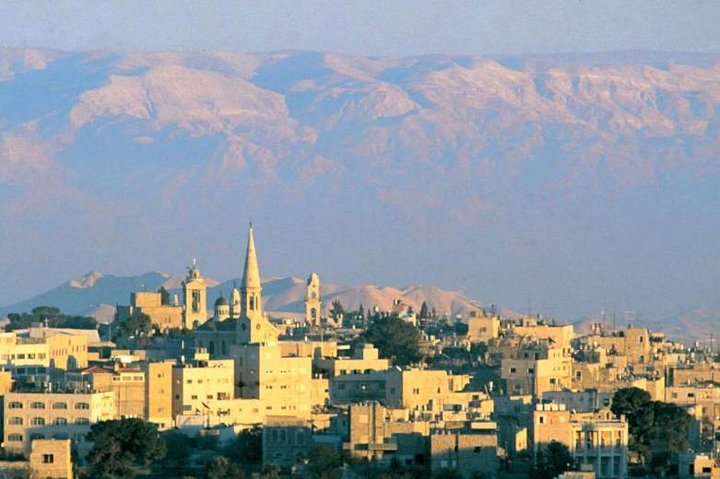
Jerusalem and Bethlehem day tour
From $800 · Price checked: Aug 2026
Best for: Christian pilgrims based in Jerusalem with one day for both cities, who prefer a guided plan covering the main Gospel sites.
Not for: Visitors seeking Jewish or Muslim sites in depth, or a slower visit to either city on its own.
A seven to eight hour day pairing the Via Dolorosa and Holy Sepulchre in Jerusalem with Bethlehem's birthplace sites and Shepherds' Field, keeping the focus on Christian landmarks in both cities.
Check availabilityExternal booking on Viator · pricing and cancellations handled by Viator
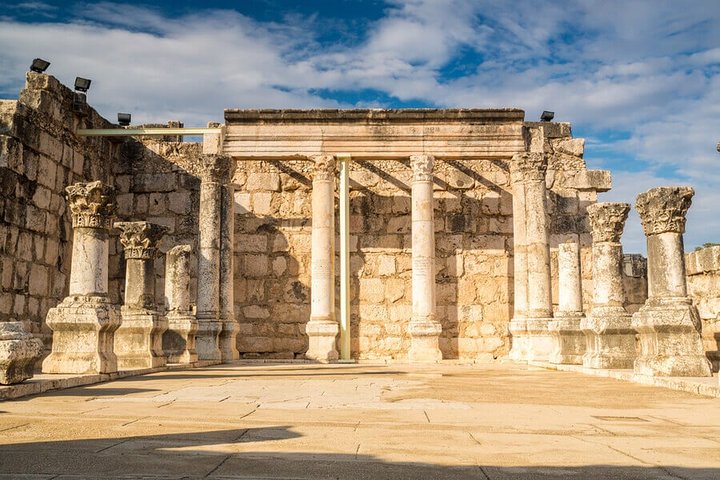
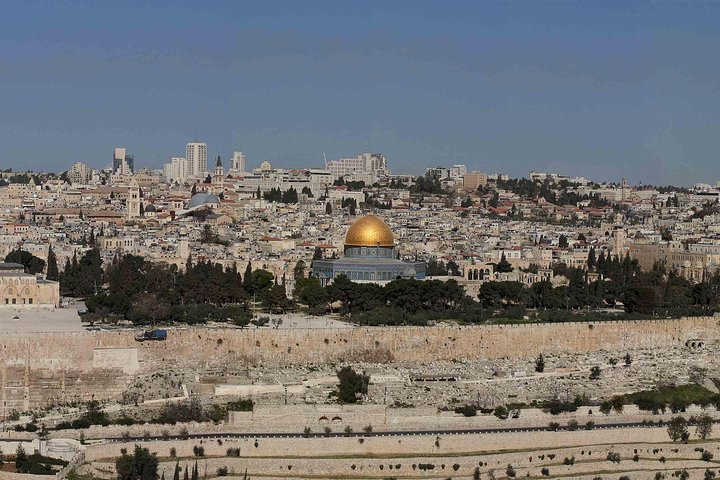
Nazareth and the Sea of Galilee Day Trip from Jerusalem
From $100 · Price checked: Aug 2026
Best for: Jerusalem-based Christian pilgrims and curious visitors who want Galilee sites in one day and can manage long hours in a vehicle.
Not for: Older travellers or families who tire on long drives, as the twelve hour day includes the journey north and back.
A twelve hour day from Jerusalem to Nazareth and the Sea of Galilee, places tied to New Testament accounts and Jesus' miracles, for those without time to stay in the north.
Check availabilityExternal booking on Viator · pricing and cancellations handled by Viator
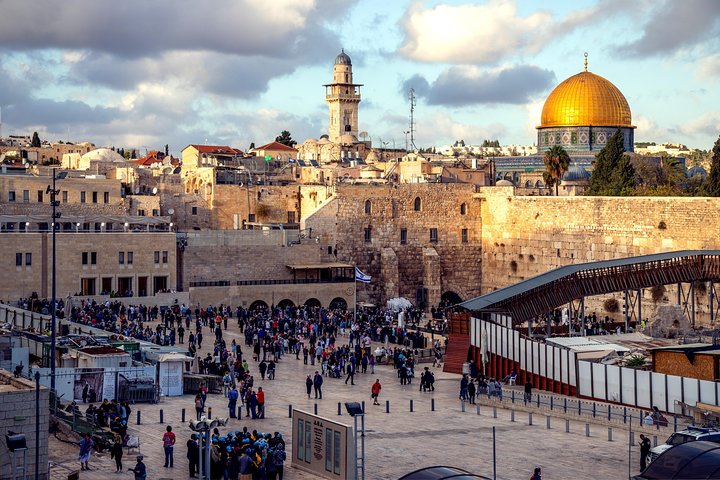
Best of Jerusalem Full-Day Tour from Jerusalem
From $69 · Price checked: Aug 2026
Best for: Energetic first-timers staying in Jerusalem who want sacred sites and everyday modern neighbourhoods together in one ten hour day.
Not for: Older travellers or anyone with limited stamina, since the route is walking-based and runs about ten hours.
A long day on foot covering the Old City's four quarters, the Western Wall, Via Dolorosa and Holy Sepulchre, then continuing into the modern city, Nahlaot and Mahane Yehuda Market.
Check availabilityExternal booking on Viator · pricing and cancellations handled by Viator
Explore More
Related comparisons and guides:
Frequently Asked Questions
Which Christian pilgrimage route suits someone with limited mobility?
Rome is the most forgiving of the three for limited mobility because its basilicas sit on flat city streets. Jerusalem's Old City and the Camino both ask more physically, so check access details directly with each site.
Can I combine Jerusalem and Bethlehem in a single day?
Yes, guided day tours from Jerusalem pair the two cities and handle the crossing for you. Expect breadth over depth, and plan a separate early visit if the Holy Sepulchre is your priority.
Do I need a pilgrim credential for Santiago?
The credential is the document the Pilgrim Reception Office checks before issuing the Compostela. Collect stamps as you walk and follow the office's published guidance.
Is Galilee worth a day trip from Jerusalem?
Galilee adds the lakeside and village settings of the Gospel accounts, which Jerusalem alone cannot give you. It is worth the long road day if you tolerate vehicle time well.
When should I avoid visiting Jerusalem?
Overlapping religious festivals bring the strongest atmosphere and the slowest movement through the Old City. Travellers on a short, site-focused visit may prefer a quieter week and should check official notices first.
Written from Jerusalem and Cairo.