Nazareth and Sea of Galilee Tour: An Honest Review from Someone Who Took It
We earn a commission when you book through our links on Viator (PID P00299531), at no extra cost to you. This is how we keep the site free. Learn more →
What shapes a visit to Nazareth
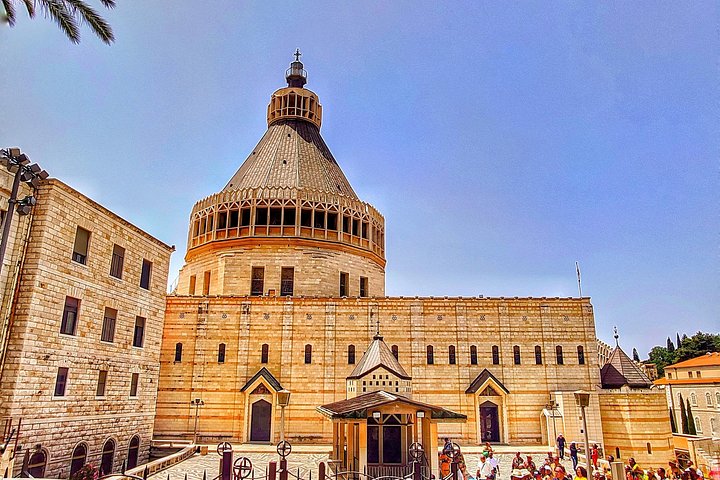
A Nazareth and Sea of Galilee tour is worth booking if you accept a long, road-heavy day and choose a route that names its stops. Nazareth itself asks for slowness. Visit Israel identifies Nazareth as an important pilgrimage city centered on the Basilica of the Annunciation and places it in the Lower Galilee.
I had pictured a town to pass through on the way to the lake. On a spring visit, the memory I carried out of the basilica was sensory instead. In Nazareth the basilica's lower grotto smelled of cold stone and candle wax, and children's voices echoed off the mosaics. That sound of ordinary life inside a sacred space changed how I think about planning a Galilee day.
Before booking, ask how long the stop in Nazareth lasts and whether the guide goes in with you or waits outside.
Nazareth and the Sea of Galilee Day Trip from Jerusalem: what the itinerary covers
For a traveller based in Jerusalem with no nights to spare in the north, this is the listing I would weigh first, because it answers the real constraint: time. The provider describes a long day from Jerusalem to Nazareth and the Sea of Galilee, taking in places tied to New Testament accounts and Jesus' miracles, and built for people who cannot stay in the north.
It fits Jerusalem-based Christian pilgrims and curious visitors who can manage long hours in a vehicle. Skip this format if motion sickness, back trouble or small children make long road stretches miserable, since the whole shape of the day depends on sitting through them. If you still have a free day in the city afterwards, a slower Jerusalem Old City walking tour balances a day spent largely on the road.
Planning Galilee pilgrimage tour review in Nazareth
The moments that justify a Galilee pilgrimage day are the quiet ones inside the churches, and they only happen if the itinerary leaves room for them.
I learned this by contrast, from two towns in the same land. In Bethlehem I bent through the low Door of Humility, felt the worn step dip under my shoe, and stood in a dim nave that smelled of candle smoke. In Nazareth the light fell cooler and wider across the upper church, and the mosaics given by faraway communities made me feel like one more person in a long line of visitors. Each place asked for a different kind of attention, and neither felt lesser.
I have no interest in ranking those two kinds of hush, or in suggesting whose prayer counts for more. What I ask of any tour is simpler: give each site its own time, so that you can notice how it feels to you.
Skip this format if your heart is set on a slow, contemplative retreat. Any single-day tour moves on a schedule, and even a generous stop ends when the vehicle needs to leave.
From Haifa to Nazareth and the Sea of Galilee Private Tour: who this tour suits
Starting in Haifa changes the arithmetic. This private tour links Nazareth with the Sea of Galilee and adds a Jordan River stop where visitors may be baptised, which sets it apart for pilgrims who hope to mark the day that way. The provider gives few specifics on individual sites, so treat the listing as an outline and ask for a written list of stops before you commit.
A port-day memory shapes my view of this tour. I could still smell salt near the terminal when the road began climbing away from Haifa. In Nazareth I kept one eye on the church courtyard and one on the time needed to reach the harbor again. That divided attention is the price of a cruise call, and the answer is fewer stops with a clear turnaround point. Haifa Port publishes its cruise schedule along with timetable-change notices, so check it close to your sailing and share your all-aboard time with the operator.
This tour is not for travellers who begin anywhere other than Haifa, and it will frustrate anyone who needs every stop itemised in advance. Choose it if baptism in the Jordan River matters to you and a private vehicle suits your party.
What Surprised Me About Nazareth
The surprise was scale. The Sea of Galilee felt smaller than I had pictured, while the distances between sites felt larger, so the road shapes a Galilee day as much as the lake does.
After Nazareth that spring, I stood on a Galilee shore where the water was flat green and the far bank was plainly visible. Eucalyptus leaves crackled underfoot in the heat. I had carried a picture of a vast inland sea, and the real lake was intimate enough to take in with a single look.
Getting there was the other half of the lesson. My own takeaway from that day was that the Galilee stops sat far apart, with long stretches of road between them. That matters when you read a listing. A promise of "the Galilee" tells you very little, while a list of named places tells you what the day will hold.
If long stretches in a coach or car leave you drained, a single-day Galilee tour is the wrong tool. Base yourself in the north and visit the shore and Nazareth on separate, gentler days.
Planning the visit well
Getting a Nazareth and Galilee day right comes down to a short set of checks: a named list of stops, a clear return plan, and time protected at the basilica.
Ask the operator which sites the day includes, in what order, and how the time divides between them. The Haifa provider's thin detail makes this step essential there. For the Jerusalem day trip, the same question confirms which miracle sites make the cut on your date.
On a port day, pick the sacred sites that matter to you and let the others go. Agree the turnaround point with your guide before leaving the harbor, while you still have a calm head, and not in the church courtyard with one eye on your watch.
If baptism is your reason for choosing the Haifa tour, ask what the Jordan River stop involves and what you should bring. The listing states only that visitors may be baptised, and I would not fill in the gaps on the operator's behalf.
Starting from Jerusalem, remember that the city's own calendar can shape your departure. Religious observances can change access and crowd patterns in the Old City, and the Custody of the Holy Land posts Holy Sepulchre visitor and liturgy schedule guidance worth reading if you plan a visit on either side of your Galilee day. For wider planning, our overview of Christian pilgrimage routes sets Galilee beside other journeys.
Pass on both tours if you want to pray at your own pace with no fixed schedule.
Before you visit
I wish I had known that Galilee is a region, not a single stop, and that a port day and a Jerusalem day trip call for different plans.
One trap is reading "Galilee" as a single place. After standing on that shore with the road still in my legs, I would plan around named stops and accept that some places will wait for another journey.
Another is overloading a cruise call. My autumn day out of Haifa taught me to set the turnaround first and fit the sacred sites around it, because a missed sailing would undo every good moment of the day.
A quieter mistake is comparing holy places as though they compete. Bethlehem and Nazareth asked different things of me, and neither felt lesser.
Look elsewhere if you need a guaranteed, itemised schedule for every part of the day. If you can manage the road and you choose a route that names its stops, a single day can still hold Nazareth's grotto and the flat green water of the lake.
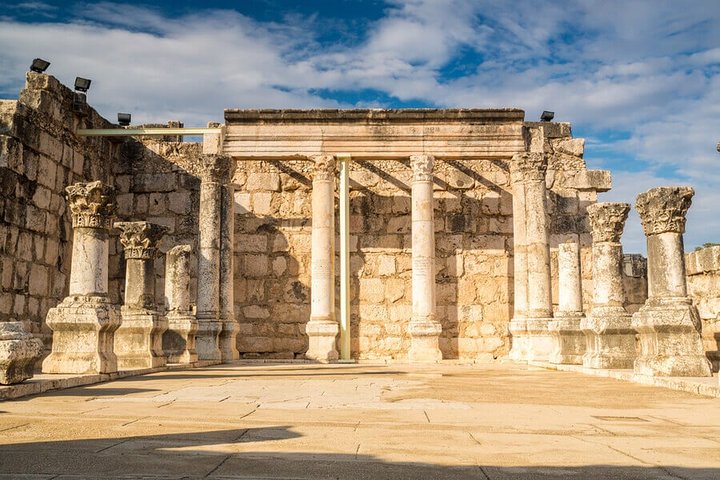
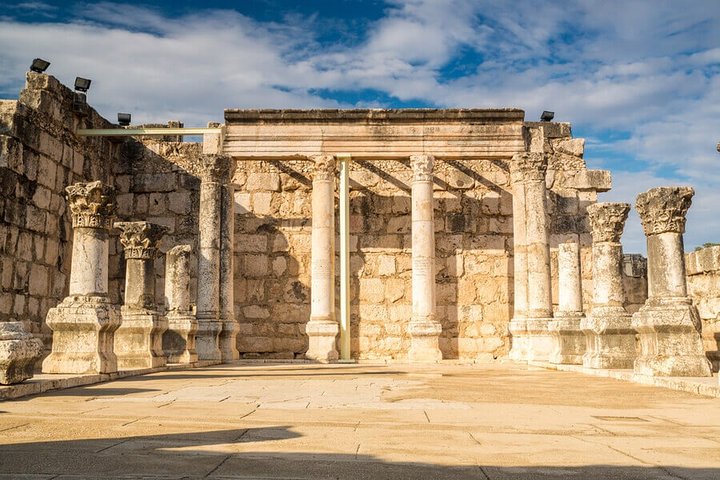
Nazareth and the Sea of Galilee Day Trip from Jerusalem
From $100 · Price checked: Aug 2026
Best for: Jerusalem-based Christian pilgrims and curious visitors who want Galilee sites in one day and can manage long hours in a vehicle.
Not for: Older travellers or families who tire on long drives, as the twelve hour day includes the journey north and back.
A twelve hour day from Jerusalem to Nazareth and the Sea of Galilee, places tied to New Testament accounts and Jesus' miracles, for those without time to stay in the north.
Check availabilityExternal booking on Viator · pricing and cancellations handled by Viator
From Haifa to Nazareth and the Sea of Galilee Private Tour
From $969 · Price checked: Sep 2026
Best for: Christian pilgrims starting in Haifa who want a baptism opportunity in the Jordan River alongside Nazareth and Galilee in one private day.
Not for: Travellers who want a detailed, fixed site list in advance, or a shorter trip than seven to nine hours.
A private day from Haifa linking Nazareth with the Sea of Galilee and a Jordan River stop where visitors may be baptised. The provider gives few specifics on individual sites.
Check availabilityExternal booking on Viator · pricing and cancellations handled by Viator
Explore More
Related comparisons and guides:
Frequently Asked Questions
Can I see Nazareth and the Sea of Galilee in one day from Jerusalem?
Yes, the Jerusalem day trip is designed for exactly that pairing. If your plans can stretch to a night in the north later, you gain slack between stops that a same-day return cannot offer.
Is the Haifa private tour a sensible choice for cruise passengers?
Its Haifa starting point suits a port call, but the operator needs your all-aboard time up front. Recheck the Haifa Port cruise schedule on the morning of your excursion in case the timetable has moved.
Can I be baptised in the Jordan River on these tours?
The Haifa private tour includes a Jordan River stop where visitors may be baptised. The Jerusalem day trip listing does not mention a baptism stop, so ask that provider directly if it matters to you.
Is a Galilee tour worthwhile for someone who is not a pilgrim?
The Jerusalem listing names curious visitors alongside Christian pilgrims as its audience. Come ready to treat the churches as working places of prayer, even if you arrive as a sightseer.
Which tour tells you more about individual stops before booking?
The Jerusalem day trip describes its focus on New Testament and miracle sites, while the Haifa provider shares few specifics. For either one, a written stop list from the operator is the clearest way to compare them.
Written from Jerusalem and Cairo.