Jerusalem Old City Walking Tour: What You See in One Day

We earn a commission when you book through our links on Viator (PID P00299531), at no extra cost to you. This is how we keep the site free. Learn more →
What shapes a visit to Jerusalem
A Jerusalem Old City walking tour in a single day works when you treat time as the scarce thing and the sites as plentiful. The Old City rewards slow feet, and a day that begins at a cruise port has a hard edge built into it: the ship's all-aboard time.
I learned how heavy that edge feels in spring 2024. I watched the ship's white decks recede behind the port cranes while the coach joined the inland road. Each slow junction made me look at the return time again, even before Jerusalem appeared on the hills. I had not yet set foot on a single stone, and already the clock was walking beside me.
My advice from that morning is plain. Treat the ship's all-aboard time as the fixed edge of the excursion, and leave a return buffer instead of filling every available minute inside the walls.
UNESCO lists the Old City of Jerusalem and its Walls as a World Heritage property. My fuller notes on sequencing a visit sit in the Jerusalem pilgrimage planning guide.
A full guided walk is the wrong choice when your ship's schedule leaves only a thin window. In that case, pick a smaller slice of the Old City and guard the return journey.
Jerusalem old city four quarters tour: what the itinerary covers
This format is the one I would hand to anyone who arrives carrying the anxiety I carried on that coach, because it puts a guide in charge of the route while you stay in charge of your attention. The listing describes a guided walk through the Old City's quarters and promises to tailor the route, and it offers little detail beyond that promise.
Tell the operator which places matter to you when you book, and ask how the guide adapts to pace. This walk suits visitors who want someone willing to bend the day around their interests.
Planning Old City walking tour in Jerusalem
The moments that justify an Old City walking tour in Jerusalem are the ones you cannot schedule: a pause inside the Church of the Holy Sepulchre, a line that barely moves, a prayer in a language you do not know. A good guide builds a day that allows those pauses instead of racing past them.
My own field notes from the Holy Sepulchre start at the door. After the bright courtyard, the air inside smelled of beeswax, incense and old stone, and it cooled the back of my neck. Lamps hung low over the Stone of Anointing, where a woman pressed a folded cloth to the surface and then to her cheek. The line toward the Edicule barely moved, and I heard prayers murmured in several languages within a few steps of me.
Arrive early, expect queues and changes around services, and count the waiting as part of the visit. The Custody of the Holy Land publishes visitor and liturgy schedule guidance for the Holy Sepulchre, and I would check it during the week you travel. Dress modestly, and give worshippers room before looking for a moment of your own.
If a slow line feels like lost time to you, tell your guide at the start that you would prefer a brief look inside and more time in the lanes.
Classic Jerusalem Old City Tour: who this tour suits
This walk is led by a local guide who frames the Old City as shared ground for several faiths, with both its conflicts and its harmonies.
Source detail on specific stops is limited, and the time window is flexible. A pilgrim with a single sanctuary in mind, who cannot risk missing it, should confirm that stop in writing before committing.
What Surprised Me About Jerusalem
What surprised me was how little my memory kept when I moved fast.
I found this out on a combined day that pushed beyond the Old City to a second pilgrimage site across a crossing. By afternoon my shirt clung to my back, and the crossing queue smelled of diesel and warm bread from a cart nearby. I remember rosaries clinking in a shop doorway more clearly than I remember the grotto, because I reached it with my eyes on my watch. The stone lanes deserved slow feet, and I had walked them like corridors.
Pick a few sites for one day, leave room for queues and crossings, and let a stop you skip wait for another visit.
I would not book a combined multi-site day for a first visit if the Old City is your reason for coming.
Planning the visit well
Getting the day right comes down to dress, timing and a guide who will change the plan when needed. Dress for every sacred site on your route and not only the first one.
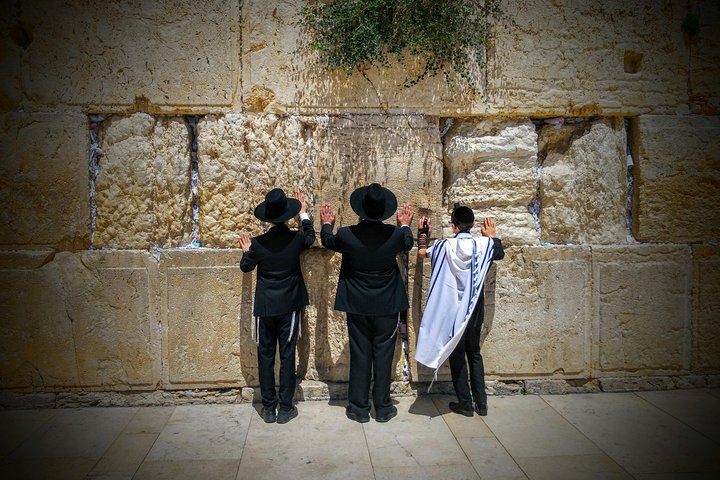
The Western Wall Heritage Foundation publishes official conduct and dress guidance for the prayer plaza. Read it before you pack, and do not plan on shorts for the Western Wall in any season, whatever the weather. I keep a longer breakdown site by site in my guide to dress codes at Jerusalem's religious sites.
Religious observances can change access and crowd patterns in the Old City, so confirm official visitor notices before travel. Non-Muslim access to the Temple Mount (Haram al-Sharif) is restricted to specific hours, and I would not build a Friday or Saturday around it. If the Western Wall tunnels matter to you, remember that public access is limited, so ask whether tunnel entry is part of any tour you consider and secure that piece early.
The private Old City walk has a guide who contacts you beforehand to customise the plan, including photo viewpoints and an African rooftop village. Larger groups of friends should skip the private format, because it carries a group cap, and look at the shared walks instead. My wider comparison of Jerusalem pilgrimage tours sets these formats beside longer options.
Before you visit
I wish I had known that the body sets the pace of a pilgrimage walk, and the itinerary only follows. Stone lanes forgive very little, and footwear you have never trained in can turn a guided walk into a long exercise in managing pain.
The morning mist left the eucalyptus smelling sharp and the granite path slick under new boots I had never broken in. By midday I felt a hot spot rising on my heel with every downhill step, while a stranger's walking poles tapped past me again and again. What I remember from the albergue that evening is the rush of cold water into the basin where I soaked my feet.
Walk in shoes you have already trained in, plan less than you think you can manage, and let your body set the pace instead of a distance goal. If you are still breaking in new shoes the week before you fly, leave them at home and bring the worn pair.
What to Check Before Booking
- Ask the operator to name the sites the guide intends to include, because listing detail on stops is limited.
- Confirm the meeting point and whether the guide can adjust the route for mobility or rest breaks.
- Recheck the Holy Sepulchre schedule and any official Old City notices a few days before you walk.
- Arriving from a ship, write down the all-aboard time and agree the return plan with your operator before the day starts.

Best seller! Jerusalem old city four quarters tour
From $450 · Price checked: Jul 2026
Best for: Visitors who want a half day in Jerusalem's Old City with a guide willing to adapt the route to their interests and pace.
Not for: Travellers who need a confirmed site list or transport arrangements, as the listing details neither.
A five hour guided walk through the Old City's four quarters. The provider offers little detail beyond a promise to tailor the route, so ask about specific sites when booking.
Check availabilityExternal booking on Viator · pricing and cancellations handled by Viator

Classic Jerusalem Old City Tour
From $478.12 · Price checked: Aug 2026
Best for: First-time visitors to Jerusalem who want a general orientation to the Old City from a resident guide, within a flexible three to six hour window.
Not for: Travellers who need a named list of sites in advance, or a trip that goes beyond the Old City walls.
A guided Old City walk with a local guide who frames its one square kilometre as shared ground for three faiths, with both conflicts and harmonies. Source detail on specific stops is limited.
Check availabilityExternal booking on Viator · pricing and cancellations handled by Viator
Private Tour Jerusalem Old City
From $500 · Price checked: Aug 2026
Best for: Small families and couples wanting a tailored half day in the Old City, with space to shape pace and stops around mobility or interests.
Not for: Travellers looking for sites outside the Old City walls, or a full day of touring.
A private five hour Old City walk with a guide who contacts you beforehand to customise the plan, including photo viewpoints and an African rooftop village. Groups are capped at six.
Check availabilityExternal booking on Viator · pricing and cancellations handled by Viator
Explore More
Related comparisons and guides:
Frequently Asked Questions
Can I see the whole Old City on a single walking tour?
No guided walk covers everything inside the walls, so choose the places that matter to you and treat the rest as material for a later visit.
What should I wear for a Jerusalem Old City walking tour?
Wear modest clothing and shoes you have already walked in, and carry a light layer so you can cover up at sacred sites on a hot day.
Is a private tour a good choice for a family?
A private walk suits a small family because the guide plans the route with you before the day, which helps with children or slower walkers. Families above the group cap will need a shared format.
Can I fit an Old City walking tour into a cruise shore day?
Yes, provided you treat the ship's all-aboard time as fixed and protect a return buffer. Ask the operator directly how transfers fit around the walk.
Where can I read official background on the Old City before I go?
The UNESCO World Heritage Centre keeps the official record for the Old City of Jerusalem and its Walls, which gives useful historical context before you walk.
Written from Jerusalem and Cairo.