Jerusalem Religious Sites: Dress Codes, Security, and What Matters
We earn a commission when you book through our links on Viator (PID P00299531), at no extra cost to you. This is how we keep the site free. Learn more →
Jerusalem asks two things of a visitor before it gives anything back: attention to what you wear, and attention to the calendar. This guide covers dress, security screening, Shabbat timing and festival crowds at the Old City's religious sites. It also covers the tours I would weigh if I were planning a first visit to those sites.
What shapes a visit to Jerusalem
Jerusalem's religious sites keep a sacred calendar as well as a clock, and that calendar shapes every practical decision you make. Dress modestly, carry little, and plan around Friday afternoon and Shabbat. UNESCO lists the Old City of Jerusalem and its Walls as a World Heritage property. Its lanes are places of living worship, and they do not keep a museum's timetable.
The lesson reached me at Jaffa Gate one winter afternoon in 2024. By early afternoon on Friday the traffic thinned strangely, shutters came down street by street, and the light went gold and quiet. Earlier I had gone inside a church, and while I was in there my planned dinner and my planned transport had both evaporated. I stood at the gate watching a city put itself away.
What I took from that afternoon was structural. Build your Jerusalem week around Shabbat and Friday prayers, keep Friday evening and Saturday for quiet indoor days, and confirm in advance what transport runs. Religious observances can change access and crowd patterns in the Old City, so confirm official visitor notices before travel.
Jerusalem Full-Day Tour from Jerusalem: what the itinerary covers
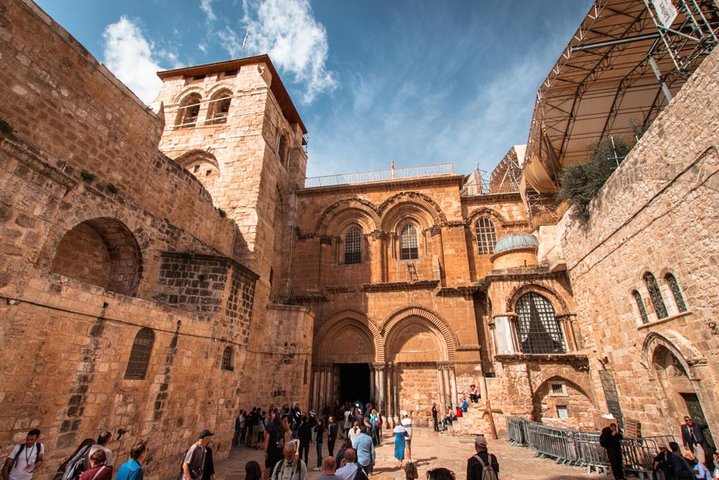
Looking back at that Friday, structure is what would have saved my trip: a guide who knows the day's rhythm and builds the route around it. This full-day walk covers the Old City's quarters, the Western Wall, the Via Dolorosa and the Holy Sepulchre, then carries on into the modern city, Nahlaot and Mahane Yehuda Market. Sacred sites alongside everyday neighbourhoods suits an energetic first-timer who wants the whole picture in one push.
It asks a lot of your feet, and a single route crosses the holy places of several communities, so dress for the strictest stop of the day. Skip this format if you have mobility limits, are travelling with small children, or want to pray at length at one site, because a long itinerary keeps moving.

Best of Jerusalem Full-Day Tour from Jerusalem
From $69 · Price checked: Aug 2026
Best for: Energetic first-timers staying in Jerusalem who want sacred sites and everyday modern neighbourhoods together in one ten hour day.
Not for: Older travellers or anyone with limited stamina, since the route is walking-based and runs about ten hours.
A long day on foot covering the Old City's four quarters, the Western Wall, Via Dolorosa and Holy Sepulchre, then continuing into the modern city, Nahlaot and Mahane Yehuda Market.
Check availabilityExternal booking on Viator · pricing and cancellations handled by Viator
Planning religious site logistics in Jerusalem
The moments that stayed with me were the ones where preparation removed the friction: a scarf already in my bag, a small daypack through security, and a plan loose enough to absorb the crowds.
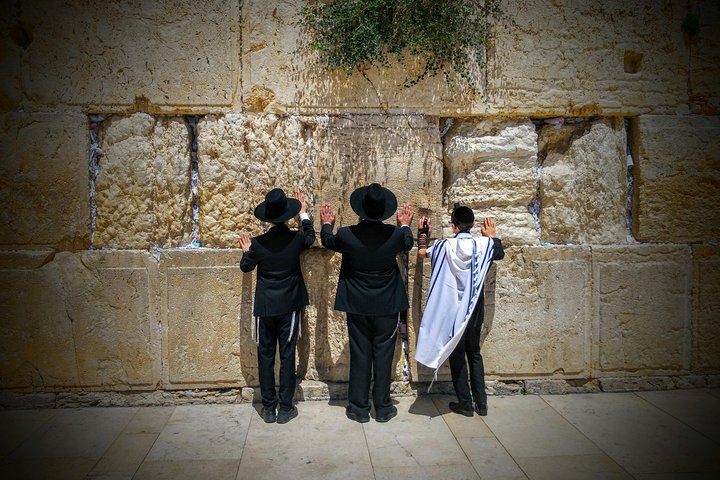
On a summer morning in 2022, on the approach to the plaza, I emptied my bag into a plastic tray while the metal detector beeped at someone's belt ahead of me. My linen scarf, folded in my daypack since Alexandria, went over my shoulders before I stepped onto the plaza. The stone underfoot was already too hot to stand on barefoot.
The Western Wall Heritage Foundation asks visitors to dress respectfully at the prayer plaza and provides head coverings at the entrance. I treat that provision as a courtesy and still carry one light scarf and knee-covering layers all day, since a single outfit may need to work at a church, a holy site and a market within the same morning. Keep bags small too.
Private Tour Jerusalem Old City: who this tour suits
This private Old City walk suits pilgrims who need the day shaped around their bodies or their beliefs. The guide contacts you beforehand to customise the plan, and the route can include photo viewpoints and an African rooftop village that many visitors walk straight past. Because the planning happens in advance, you can raise dress questions, prayer time or mobility needs before you set out.
For a small family or a couple, that conversation matters more than a longer list of stops. For a self-guided route to pair with it, my Jerusalem Old City walking tour sets out the lanes.
Private Tour Jerusalem Old City
From $500 · Price checked: Aug 2026
Best for: Small families and couples wanting a tailored half day in the Old City, with space to shape pace and stops around mobility or interests.
Not for: Travellers looking for sites outside the Old City walls, or a full day of touring.
A private five hour Old City walk with a guide who contacts you beforehand to customise the plan, including photo viewpoints and an African rooftop village. Groups are capped at six.
Check availabilityExternal booking on Viator · pricing and cancellations handled by Viator
What Surprised Me About Jerusalem
When Jewish and Christian festivals overlapped, the Old City filled with two faiths at once, and walking between quarters took far longer than the map suggested.
In spring 2025, Passover and Holy Week fell together. The lanes were so dense that I moved at the pace of the crowd, not my own. Palm fronds brushed my face from one direction, and the smell of roasting nuts came from another. The walk from the Jewish Quarter to the Christian Quarter, a short stroll on a quiet day, stretched on and on.
At festival time, book accommodation inside or immediately beside the Old City and let go of any minute-by-minute schedule. For the Church of the Holy Sepulchre, the Custody of the Holy Land publishes guidance on visiting and on the liturgy schedule, so check it close to your dates. Non-Muslim visitor access to the Temple Mount (Haram al-Sharif) runs under its own arrangements, and those can change. I would leave it out of any Friday or Saturday plan and confirm current access close to the day.
Planning the visit well
Getting Jerusalem's religious sites right comes down to a few habits. Dress for the strictest site on your day, carry a small bag, respect the calendar, and build in buffers. If you are arriving from a cruise ship, the all aboard time outranks everything else on your list, including the site you most want to see.
In spring 2024 I travelled inland from Ashdod Port by coach. I watched the ship's white decks recede behind the port cranes while the coach joined the inland road. Each slow junction made me look at the return time again, even before Jerusalem appeared on the hills. Treat the ship's all aboard time as the fixed edge of an Ashdod excursion, and leave a return buffer instead of filling every available minute in Jerusalem.
A few more habits help. If the Western Wall tunnels matter to you, look for a tour that includes tunnel access and confirm it well ahead, since walking up on the day is a gamble. Ask any guide how they handle security queues before you commit.
If you want a gentler introduction, the Classic Jerusalem Old City Tour pairs you with a local guide who presents the Old City as ground shared across faiths, with both its conflicts and its harmonies. The published detail on specific stops is limited. Ask the operator whether the Western Wall or the Holy Sepulchre is on the route, and cruise passengers should check its length against the ship's schedule. My guide to Jerusalem pilgrimage tours compares more options.

Classic Jerusalem Old City Tour
From $478.12 · Price checked: Aug 2026
Best for: First-time visitors to Jerusalem who want a general orientation to the Old City from a resident guide, within a flexible three to six hour window.
Not for: Travellers who need a named list of sites in advance, or a trip that goes beyond the Old City walls.
A guided Old City walk with a local guide who frames its one square kilometre as shared ground for three faiths, with both conflicts and harmonies. Source detail on specific stops is limited.
Check availabilityExternal booking on Viator · pricing and cancellations handled by Viator
Before you visit
I wish I had known how small decisions add up in Jerusalem. An outfit that suits one site may not suit the next, a bag can be too big for quick screening, and a Friday plan can ignore Shabbat. Check the points below before you book anything, and your days at the religious sites will be calmer and kinder to the people around you.
- Check your dates against Shabbat, Friday prayers and major festivals before you fix the itinerary.
- Confirm what transport runs on Friday evening and Saturday, and choose lodging you can reach on foot.
- Pack a light scarf and knee-covering layers, and plan to wear them all day.
- Ask each tour operator how they handle dress, security lines and Shabbat timing.
- Read official visitor notices for the Western Wall, the Holy Sepulchre and the Temple Mount close to your travel date.
My Jerusalem pilgrimage planning guide goes through the rest of the preparation.
Explore More
Related comparisons and guides:
Frequently Asked Questions
What should I wear to the Western Wall?
Choose clothing that covers your shoulders and knees, because the same morning may take you through prayer spaces, churches and markets. Bringing your own scarf spares you a scramble at the entrance.
Is there security screening at Jerusalem's religious sites?
Expect bag trays and metal detectors on the approach to the Western Wall plaza. Leaving belts with heavy buckles and extra gadgets behind gets you through faster.
Can I visit the Old City on Shabbat?
You can still walk the Old City, but shops close and transport choices shrink. Plan quiet visits and settle your route back to your lodging in advance.
Is Jerusalem realistic as a shore excursion from Ashdod?
It can work if you treat the ship's all aboard time as fixed and pick a tour with a clear return plan. Ask the operator what happens if traffic slows the drive back.
Should I choose a private or group tour of the Old City?
A private guide lets you shape the pace, dress stops and prayer time, which helps families and travellers with mobility needs. A group walk suits first-timers who want an orientation and are happy with a set route.
Written from Jerusalem and Cairo.