Walking the Camino Portugués: The Full Route or a Day Trip for Time-Limited Pilgrims
We earn a commission when you book through our links on Viator (PID P00299531), at no extra cost to you. This is how we keep the site free. Learn more →
What shapes a visit to Camino Portugués
If your time is limited, decide first whether you want to walk the Camino Portugués or visit its goal. Those are two different pilgrimages. A walked route builds its meaning slowly, through your feet and the markers. A day trip gives you the cathedral city and a sense of the landscape, but not the slow build that walking gives.
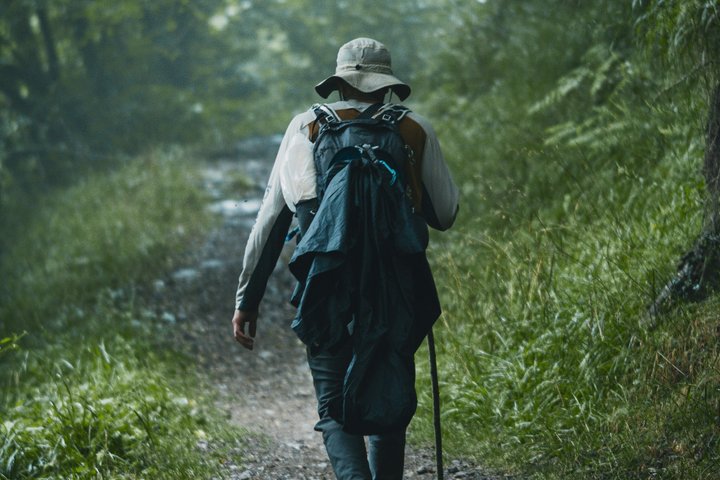
I came to the Portuguese Way from years of guiding in crowded holy cities, and I assumed the walking would be the easy part. It was not. I walked from Tui toward Santiago in the spring of 2022, and the route taught me through the senses before it taught me anything else. The eucalyptus woods smelled sharp after rain and the yellow arrows appeared on kerbs, walls, and the backs of road signs. By the third morning my shoulders ached in a way that had started to feel normal. Stone markers along the path counted the distance down, and each one made the cathedral feel more real to me.
That slow build is what a short visit cannot give you. So my advice is to be honest with yourself about what you are after. If you want the Compostela, you are committing to walking. If you want to stand in Santiago and pray, a well-planned day can be enough.
A Private Camino Route from Porto
According to its product record, this private route follows the Portuguese Camino north along the coast to the Miño, with private transport, daily breakfasts, a pilgrim credential and a Pilgrim's Boat ride included.
What matters to me here is that the credential is part of the package. That small booklet is the spine of the whole journey. According to the Pilgrim Reception Office, Cathedral of Santiago, the office applies the Cathedral's final stamp to credentials and issues the Compostela to pilgrims who qualify. Having the credential arranged from the start means one less thing to sort out when you land in Porto. You should still check the Office's current guidance on which stamps you will need along the way, because only the Office can tell you whether your walk qualifies.
Skip this format if you want the independence of choosing each night's bed yourself, or if meeting strangers in albergues is part of what you are walking for. A private route protects your energy, but it also protects you from some of the chance encounters that people remember longest.
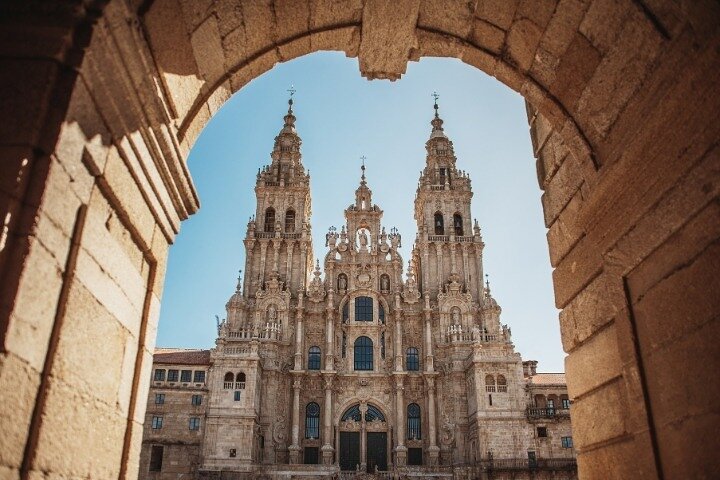
9 days Camino De Santiago Private Tour Route From Oporto
From $2,069.54 · Price checked: Sep 2026
Best for: Pilgrims with nine days who want the Portuguese route arranged privately from Porto, with transport, breakfasts and a credential in place.
Not for: Travellers without a full nine days, or those expecting lunches and dinners to be included; the listing excludes both.
A nine-day private route from Porto along the Portuguese Camino toward Santiago, with private transport, daily breakfasts, a pilgrim credential and a Pilgrim's Boat ride, following the coast north to the Miño.
Check availabilityExternal booking on Viator · pricing and cancellations handled by Viator
Planning Portuguese Camino route in Camino Portugués
The moments worth the journey on the Portuguese route came from the physical texture of the walk: rain on eucalyptus, arrows turning up in unlikely places, and the daily countdown on the stone markers. None of that can be bought in a morning. You can still get a real taste of the pilgrim city on a single well-chosen day.
On foot, Santiago arrives gradually. You smell it coming in the woods, and you feel it in your heels. By bus, it arrives all at once. Neither is spiritually lesser, and I would never rank one person's devotion above another's. What changes is what you bring into the cathedral with you. A walker brings fatigue and a kind of emptiness. A day visitor brings curiosity and fresh legs, and fresh legs are no bad thing when there is a whole old city to see.
Day Trip from Porto to Santiago de Compostela and Valença: who this tour suits
For travellers based in Porto who have no walking days to give, this is the honest alternative. The product record describes a day from Porto to Santiago de Compostela, one of Europe's key pilgrim cities, with a stop on the way back at Valença's Vauban-style fortress, instead of the more familiar Viana do Castelo pairing.
I like the Valença choice. It puts you close to the border the walking route crosses, so even on a coach you get a feel for the frontier pilgrims walk over. I have written a longer look at the options in my guide to a Santiago de Compostela day trip from Porto, and if you are torn between the two great Iberian shrines, my comparison of Santiago and Fátima as Portugal-based pilgrimages may help you decide.
Choose this day trip if you want to see the city and the cathedral without any illusion that you are walking the Camino. It is not for anyone hoping to earn a Compostela. Skip it too if long stretches in a vehicle leave you drained, because a day covering two countries asks a lot of your patience.
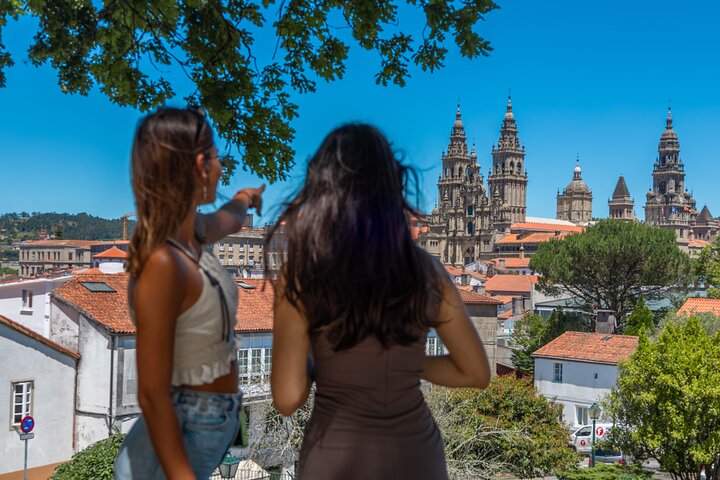
Day Trip from Porto to Santiago de Compostela and Valença
From $91.89 · Price checked: Jul 2026
Best for: Travellers in Porto who want Santiago in a day plus a short heritage stop near the border on the way back.
Not for: Walkers wanting a Camino stage, or visitors hoping for a coastal town rather than a fortress stop.
A ten hour day from Porto to Santiago de Compostela, one of Europe's key pilgrim cities, with a return stop at Valença's Vauban-style fortress instead of the Viana do Castelo pairing.
Check availabilityExternal booking on Viator · pricing and cancellations handled by Viator
What Surprised Me About Camino Portugués
What surprised me most was how quickly my body became the one setting the itinerary. My ambitions did not get a vote. The path looks gentle on a map, but wet granite, new footwear and long downhill stretches can undo a plan by midday. Build your schedule around your feet, not a distance target.
I learned this on a first short stretch of the Camino de Santiago in Galicia. The morning mist left the eucalyptus smelling sharp and the granite path slick under new boots I had never broken in. By midday I could feel a hot spot rising on my heel with every downhill step, while a stranger's walking poles tapped past me again and again. What stays with me from the albergue that evening is the rush of cold water into the basin where I soaked my feet.
There was a second surprise, which came from my work in Jerusalem, not from Galicia. In the spring of 2025, when Passover and Holy Week overlapped in the Old City, I learned what devotion looks like when it overwhelms logistics. The lanes were so dense that I moved at the pace of the crowd, not my own. Palm fronds brushed my face from one side, and the smell of roasting nuts drifted in from the other. That memory changed how I think about Santiago too. Any great pilgrim city at a festival will have strong atmosphere and difficult logistics. If you arrive in Santiago on a major feast, stay close to the old centre and let go of any minute-by-minute schedule. Skip a festival-date visit altogether if crowds unsettle your prayer more than they lift it.
Planning the visit well
Getting the Camino Portugués right with little time comes down to three decisions made early. Choose between walking and visiting. Secure your credential and understand how it is stamped. Book accommodation ahead if you plan to walk in the warmer months, when beds on the final approach fill up.
On the credential, go to the source. The Pilgrim Reception Office publishes its own guidance, and that is the page to read before you set off. Bring the credential with a stamp from each stage you walk. The Pilgrim Reception Office applies the Cathedral's final stamp to pilgrim credentials and issues the Compostela to pilgrims who qualify. Treat anything you read elsewhere about qualification, including on this page, as secondary to what the Office itself says.
On footwear, my own blisters are the lesson. Walk in boots or shoes you have already trained in, and plan shorter stages than you think you can manage. A stranger with walking poles may overtake you all morning, and that is fine. Pilgrimage is not a race, and nobody at the cathedral asks how fast you came.
On accommodation, my spring walk from Tui taught me to book ahead in the warm months. Book the private Porto route instead when you know that searching for a bed each afternoon would eat into the quiet you came for. Skip the independent approach if uncertainty about where you will sleep would spoil your days on the path.
If Santiago is one stop on a wider Portuguese trip, the Marian shrine is also within reach of Porto. My guide to a Fátima pilgrimage from Porto covers that journey, and the Sanctuary of Fátima publishes its own pilgrim and celebration schedule.
Before you visit
Before my first stretch, I wish someone had told me plainly that the Camino rewards preparation of the body far more than preparation of the itinerary. Train in your footwear, keep your stages modest, and check official guidance on the credential before you leave home. Everything else can adapt on the road.
Here is what I would check before booking either option:
- Decide whether you want the Compostela. If you do, only a walked route fits, and a day trip cannot give you that.
- Read the Pilgrim Reception Office's current credential guidance yourself, even if a tour supplies the booklet.
- Confirm what your chosen product includes directly with the operator, since inclusions can change after you read a listing.
- Look at whether your dates fall on a major feast in Santiago, and plan for slower movement if they do.
- Break in your boots properly before you fly.
The day trip is not for pilgrims who will feel they have cheated themselves by arriving on wheels. The private route is not for walkers who want every day unplanned. Either way, the cathedral will be there waiting, and I have come to believe that how you arrive shapes what you find inside it.
Explore More
Related comparisons and guides:
Frequently Asked Questions
Can I earn a Compostela on a day trip from Porto to Santiago?
A coach day trip does not involve walking the route, so it will not earn you a Compostela. The Pilgrim Reception Office decides who qualifies, and its official website sets out the requirements.
Who issues the Compostela certificate?
The Pilgrim Reception Office of the Cathedral of Santiago issues it after reviewing your stamped credential. Go to that office in Santiago, not to a tour desk or a hotel.
Is a private route from Porto suitable for a first-time pilgrim?
It can suit first-timers who would find arranging transport and meals stressful, because those pieces are organised for you. You will still need footwear you have trained in, since no tour can walk the path for you.
Why does the day trip stop at Valença on the way back?
The listing pairs Santiago with Valença's Vauban-style fortress instead of Viana do Castelo, so you visit a heritage site near the border on the return. It suits travellers who enjoy military architecture as well as sacred sites.
Should I avoid Santiago during major religious festivals?
Not necessarily, because feast days bring a depth of devotion that ordinary days lack. Expect slow movement through the old streets and plan fewer fixed appointments.
Written from Jerusalem and Cairo.