Fátima Pilgrimage from Porto: What to Expect at Portugal's Holiest Site
We earn a commission when you book through our links on Viator (PID P00299531), at no extra cost to you. This is how we keep the site free. Learn more →
What shapes a visit to Fátima
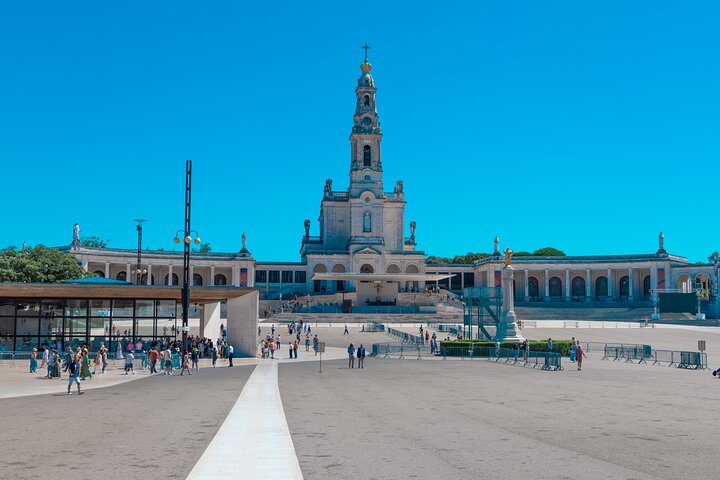
Fátima is a modern, open-air devotional space, not a historic old town, and that one fact should shape how you plan a day from Porto. Expect a wide, exposed esplanade, candles, and prayer carried out in public view. Before you choose a tour, look at the Sanctuary's own calendar, because celebrations change what you will find when you arrive.
I came to the Cova da Iria one spring expecting a village with a church at its centre. What I found was a space built to hold multitudes. The esplanade is enormous and pale and gives back the heat without mercy. A woman crossed it on her knees along a polished track worn into the stone, unhurried, while candles the length of my forearm burned in a long metal trough and the wax smell carried on the wind. I stood still for a long while after she passed. Nothing about that scene was staged for visitors, and I felt keenly that I was a guest in someone else's prayer.
That is the first thing to understand about a Fátima pilgrimage: the devotion is the architecture. The Sanctuary of Fátima publishes its pilgrim itinerary and celebration schedule on its official website. I would treat that page as the only reliable reference for what is happening on the day you travel, and I would read it before reading any tour listing.
If you are hoping for cobbled lanes and centuries of layered stonework at the shrine itself, Fátima on its own will leave you wanting. Pair it with a second stop that supplies the history, which is exactly what the two tours below do.
From Porto: Fátima and Coimbra Full Day Tour: what the itinerary covers
For a first-time pilgrim based in Porto, this itinerary answers the hardest planning question, which is how to reach the shrine and still see something of Portugal's past in the same day. According to the listing, the day covers the Sanctuary, the Basilica and the Chapel of the Apparitions, then moves on to Coimbra's university area, cathedral and old centre. My judgement is that the Apparitions Chapel stop matters most for Catholic pilgrims, because it is the devotional heart of the site, and the Coimbra afternoon gives families and less devout companions a reason to come along gladly.
Skip this format if you want to linger at the Sanctuary on your own terms. A set itinerary means someone else decides when you leave the esplanade, and a pilgrim hoping to stay for an evening service should confirm the departure time with the operator before booking.
Planning Catholic pilgrimage site in Fátima
The moments worth the journey at Fátima are atmospheric: candlelight as the day fades, quiet prayer across an open plaza, and the sky pressing down on everything. Fátima works as a single-day devotional destination. Plan your day around the Sanctuary's schedule and the hours you can spend in that open space, and treat any second stop as the supporting act.
I felt the contrast most sharply one autumn, travelling north between two very different shrines. In Fátima I stood on a vast pale plaza with nothing between me and the sky. Three days later, in Santiago, rain ran off granite eaves into narrow arcaded streets and the botafumeiro's smoke hung under stone vaulting. Two pilgrimages brought contrasting weather into the body, and they asked different things of me.
That experience settled a planning view I still hold. Santiago is a walkable city with a cathedral at its heart and deserves an overnight; Fátima suits a day trip. If you are weighing the two, my longer comparison of Santiago versus Fátima as Portuguese-route pilgrimages sets them side by side, and the guide to a Santiago de Compostela day trip from Porto covers the northern option.
Book elsewhere if you have a single free day and your heart is set on a cathedral city you can wander in the rain. Fátima rewards stillness and presence, and a visitor who wants alleys and cafés will feel the openness as emptiness.
Private Tour – Fatima & Battle Day Trip from Porto: who this tour suits
This private itinerary pairs the Shrine of Fátima with the Batalha Monastery, which the listing identifies as a UNESCO site. I like the balance it strikes: a Marian pilgrimage stop in the morning of your attention, then monastery architecture and Portuguese history to reflect on afterwards. The private format is the real selling point, since it lets a family travel at its own pace and ask the guide to adjust emphasis between prayer and sightseeing.
Choose the Coimbra tour instead when your companions want a living university city more than a monastery. Pilgrims who enjoy the company of strangers at a shrine may also find a private car a little solitary.
What Surprised Me About Fátima
The biggest surprise at Fátima is how much the setting asks of your body, not your planning skills. The esplanade is exposed, the space is vast, and there is little to shelter under. Bring sun protection, pace yourself, and accept that the physical openness is part of how people pray there.
I measure every shrine against Rome now, and the comparison clarifies things. There I walked between basilicas on flat city pavement in ordinary shoes, ducking into cafés when it rained. The scale was overwhelming but the logistics were the easiest of any pilgrimage city I have reported from, which felt almost like cheating. Fátima offers no such ease of cover.
The lesson I drew is to match the pilgrimage to your constraints. Rome suits travellers who need accessibility and short distances. Fátima suits those ready for open air and a day built around one sacred space, reached by road from Porto.
If heat and glare wear you down quickly, or if you cannot spend long periods outdoors, think carefully before committing a whole day to the esplanade. A tour with a second, indoor-heavy stop such as a cathedral or monastery gives you a place to recover.
Planning the visit well
Getting Fátima right comes down to three checks: confirm the Sanctuary's celebration schedule, pick your tour by its second stop, and prepare for an exposed plaza. None of these requires specialist knowledge, but skipping any one of them can turn a devotional day into a tiring bus excursion.
First, go to the source. The Sanctuary's official website lists its pilgrim itinerary and celebration schedule, and I would check it twice: once when choosing a date, and again in the days before travel, since liturgical plans can shift. A tour listing cannot tell you whether your visit falls on a quiet weekday or a major celebration.
Second, let the second stop decide the tour. Coimbra brings a university city and a cathedral; Batalha brings a monastery and the pace of a private guide. Both options place Fátima at the centre, so the real question is what your companions need for the rest of the day.
Third, dress and behave as a guest. I would not rely on a tour operator for visitor guidance at the shrine; the Sanctuary itself is the authority. My own practice is to keep my camera down near anyone at prayer, and to give the knee-worn track a wide berth so that pilgrims crossing it are never hurried.
If your idea of pilgrimage is the walking itself, a coach day to Fátima will feel passive. Look instead at a short walk on the Camino Portugués, where the road is the prayer.
Before you visit
Before booking a Fátima day from Porto, check what the tour includes at the Sanctuary, when it leaves, and whether your date coincides with a celebration. Those three details decide whether you pray or merely pass through. Looking back on the scene on the esplanade, I would have planned for the evening candlelight from the start.
Here is the checklist I would hand a friend. Confirm that the itinerary names the Chapel of the Apparitions if that is where you most want to pray; the Coimbra listing names it explicitly. Ask the operator where pickup in Porto takes place, since a tour listing summary is no substitute for the booking confirmation. Compare your travel date against the Sanctuary's published schedule. Pack a hat and sun cream for the open plaza, even on a mild day.
Weigh one more question: do you want Fátima as the whole purpose of your day, or as one sacred stop among several? Both tours here treat it as the anchor with a heritage visit alongside. A pilgrim who wants only the shrine, with long hours of prayer and no sightseeing, may find either itinerary too full, and should say so to the operator before paying.
Avoid booking on impulse from a phone at your Porto hotel without reading the inclusions line by line. The difference between a shrine visit and a shrine drive-by lives in those details.
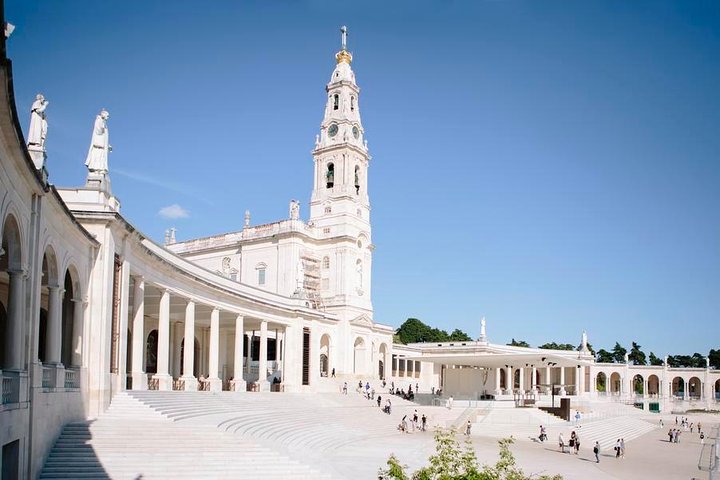
From Porto: Fátima and Coimbra Full Day Tour
From $63.20 · Price checked: Sep 2026
Best for: Catholic pilgrims and families who want Fatima's main shrine spaces plus an afternoon of Portuguese history in Coimbra.
Not for: Travellers wanting the Batalha Monastery or a private tour, as the listing describes neither.
A ten hour day from Porto to Fatima's Sanctuary, Basilica and Apparitions Chapel, then Coimbra's university area, cathedral and old centre. It adds a university city rather than a monastery.
Check availabilityExternal booking on Viator · pricing and cancellations handled by Viator
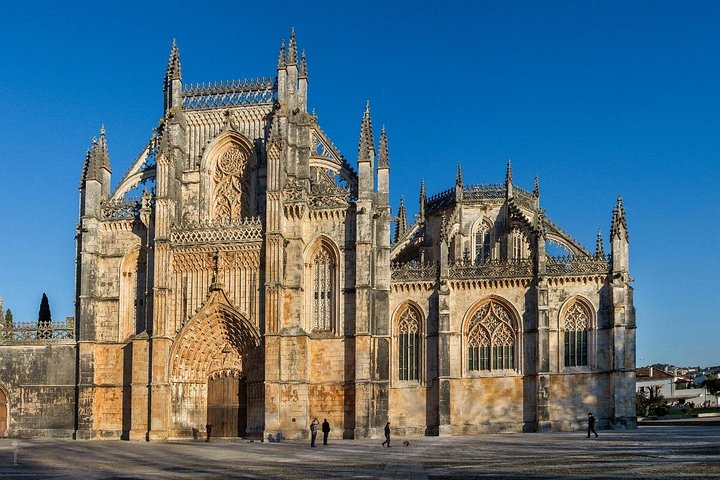
Private Tour – Fatima & Battle Day Trip from Porto
From $289.85 · Price checked: Sep 2026
Best for: Catholic pilgrims and mixed-interest families in Porto who want Fatima plus a heritage stop, travelling at the pace of a private tour.
Not for: Travellers wanting Coimbra or more time in Porto, or those preferring a shorter outing than seven to nine hours.
A private day from Porto to the Shrine of Fatima and the Batalha Monastery, a UNESCO site. It balances a Marian pilgrimage stop with monastery architecture and Portuguese history.
Check availabilityExternal booking on Viator · pricing and cancellations handled by Viator
Explore More
Related comparisons and guides:
Fátima Day Tours from Porto
Frequently Asked Questions
Can I visit Fátima as a day trip from Porto?
Yes, both tours featured here run as day trips from Porto. Fátima works well as a single-day devotional destination, unlike Santiago, which rewards an overnight stay.
Where can I find the Mass and celebration times at Fátima?
The Sanctuary of Fátima publishes its pilgrim itinerary and celebration schedule on its official website. Check it before you book and again shortly before you travel.
Should I choose the Coimbra tour or the Batalha tour?
Pick Coimbra if your group wants a university city with a cathedral and old centre. Pick Batalha if you prefer monastery architecture and the flexibility of a private guide.
Is Fátima suitable for non-Catholic travellers?
Travellers of any background can visit respectfully, provided they remember that the esplanade is an active place of prayer. A companion who cares more about history will likely enjoy the Coimbra or Batalha stop most.
What should I pack for a day at the Sanctuary?
Sun protection matters because the esplanade is open to the sky with little shade. Comfortable shoes help too, since the Sanctuary covers a large area on foot.
Written from Jerusalem and Cairo.