Masada at Sunrise: Is the Early Wake-Up Worth It? A Sunrise Tour Review
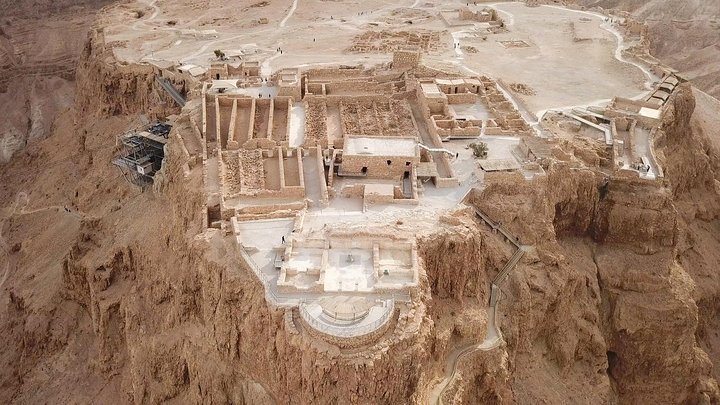
We earn a commission when you book through our links on Viator (PID P00299531), at no extra cost to you. This is how we keep the site free. Learn more →
What shapes a visit to Masada
Yes, the early wake-up for Masada is worth it, but only if the hours after it can be gentle. A sunrise ascent means a dark start, cold air and a climb that asks something of your lungs. What you get back is a hush at the summit that I still think about, and a view of the Dead Sea that justifies the lost sleep.
I went up the Snake Path in spring 2023, climbing in the dark with a headlamp, breathing hard, the desert air cold enough to sting. I had pictured a hot, glaring place. At the top the sky went from grey to apricot and the Dead Sea appeared below like beaten metal. Nobody spoke for several minutes.
What I learned is less poetic. You should only trade a night's sleep for that sky if you can nap afterward, and the day around it matters as much as the dawn itself. Timing also belongs to the park rather than to your wish list. Israel Nature and Parks Authority publishes current opening hours and trail notices for Masada National Park, so check its notice before planning a sunrise ascent.
This outing does not suit a traveller who can't lose a night's sleep without losing the whole next day too. If that sounds like you, a daytime format will serve you better, and the tour below is the one I would point you toward.
Masada and the Dead Sea Day Trip from Jerusalem: what the itinerary covers
I give this tour that heading because of what it rescues. This day trip takes you from Jerusalem to Masada's ruins, Herod's palaces and the Dead Sea, and passes the Good Samaritan setting along the road. For a traveller who wants desert history and some biblical context on the way, it keeps Masada on the itinerary without the headlamp.
Read the listing closely. Qumran and the Jordan River baptism site appear as substitutions, which I read as possibilities, not promises. If one of those places is the reason you are booking, ask the operator which stops apply on your date before you pay.
Sunrise seekers should look elsewhere: nothing in this listing describes a dawn ascent. For a wider view of how this day fits a Jerusalem-based trip, my guide to Jerusalem pilgrimage tours sets it beside the city's other options.
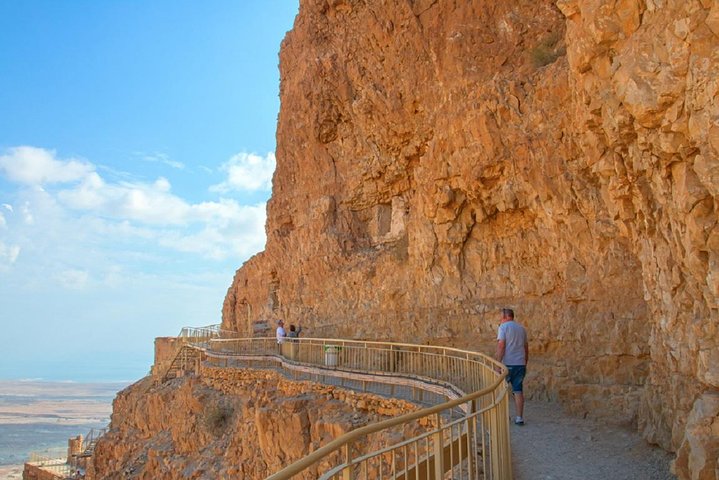
Masada and the Dead Sea Day Trip from Jerusalem
From $111 · Price checked: Aug 2026
Best for: Travellers wanting desert history and a Dead Sea visit, with some biblical context along the road, in a single day from Jerusalem.
Not for: Visitors keen on Ein Gedi, which is not listed, or those needing a firm itinerary given the stated substitutions.
A nine hour day from Jerusalem to Masada's ruins, Herod's palaces and the Dead Sea, passing the Good Samaritan setting. Qumran and the Jordan River baptism site are listed as substitutions.
Check availabilityExternal booking on Viator · pricing and cancellations handled by Viator
Planning sunrise tour review in Masada
Two moments made the trip worth it: the colour change on the summit, and the float that came after the climb. Masada is physical and the Dead Sea is restorative, and putting them in that order turns a hard morning into a good day. Reverse them and you climb on tired, salt-stiff legs.
I learned the sequence on a spring day in 2024 in the Judean Desert, between Masada and the Dead Sea. I climbed the fortress in the cool hour, then stood two hours later floating in water so heavy it pushed my heels to the surface. The salt dried on my forearms in white lace. My legs were shaking from the ascent and my skin was slick with mineral mud, all before lunch.
That contrast is the argument for a combined day. The effort of the fortress and the ease of the water balance each other. If you only have one day, do the climb first and the float second, never the reverse.
Pass on the combined sunrise day if shaking legs and salt-crusted skin before noon sound like punishment to you. A single-site visit will leave you happier.
Dead Sea, Masada at Sunrise and Ein Gedi Tour from Jerusalem: who this tour suits
This is the format that matches my two stories most closely. You leave Jerusalem before dawn for sunrise on Masada, then spend time at the Ein Gedi oasis and finish with a float in the Dead Sea. It suits early risers with one free day in Jerusalem who want all three in a single trip.
Look carefully at what the price covers. The Dead Sea beach entrance fee is included, but the Masada and Ein Gedi entrance fees are not, and neither are meals. Bring money for both parks and for food, and pack snacks for the dark start, because breakfast is your own responsibility.
I would steer anyone planning a second full site visit that afternoon away from this tour. Ein Gedi already adds a third stop to a morning that began in the dark. After the float, go back to your room, sleep, and let the evening be slow. My Dead Sea from Jerusalem guide covers gentler ways to spend the water half of the day if you would rather skip the climb.
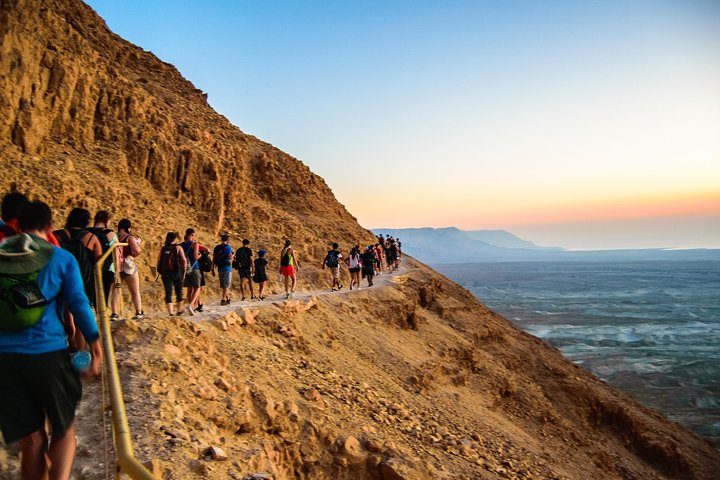
Dead Sea, Masada at Sunrise and Ein Gedi Tour from Jerusalem
From $109 · Price checked: Sep 2026
Best for: Early risers with one free day in Jerusalem who want the Masada sunrise, Ein Gedi and a Dead Sea float in a single trip.
Not for: Travellers who would rather not leave before dawn, or who expect Masada and Ein Gedi entrance fees and meals to be included.
A pre-dawn start from Jerusalem for sunrise on Masada, then time at the Ein Gedi oasis and a float at the Dead Sea. The Dead Sea beach entrance fee is included; Masada and Ein Gedi entrance fees and meals are not.
Check availabilityExternal booking on Viator · pricing and cancellations handled by Viator
What Surprised Me About Masada
Two things surprised me: the cold and the quiet. I had expected Masada to be all heat and noise, and instead the pre-dawn desert stung my face and the summit fell silent as the light came. Both shape how you should prepare, and both belong only to the early hours.
The cold matters practically. The desert air on my climb was cold enough to sting, so a warm layer you can peel off as the sun rises earns its space in your bag. A headlamp mattered as much. I climbed in the dark with one, and I would not want to feel my way up the Snake Path without a light of my own.
The silence matters in a different way. For pilgrims, Masada is a place of history more than of worship, and I can't speak for how any faith community holds it. I can tell you that the group I climbed with stopped talking without anyone asking, and that the pause felt like the most fitting response to the place. I found it moving. Your reaction may differ, and that is fine.
The sunrise hush may frustrate a traveller who wants a running guided commentary at the top. Anyone who wants the history explained on site should weigh a daytime visit, and my Masada vs Dead Sea comparison can help you decide which half of the region deserves your limited time.
Planning the visit well
Getting the sunrise right comes down to three decisions: confirm the park is open to you, sequence the climb before the float, and protect the afternoon. None of these needs insider access. Each one decides whether the dawn feels like a gift or a punishment by mid-afternoon.
The Masada National Park page from the Israel Nature and Parks Authority is the place to look, and a notice posted there overrides any operator's plan.
My other habits for the day:
- Carry a headlamp and a peelable warm layer for the dark, cold ascent.
- Climb first and float second, so the water soothes legs that have already done their work.
- Budget separately for the Masada and Ein Gedi entrance fees and for meals if you book the sunrise tour.
- Ask the day-trip operator which of the listed substitutions will run before you commit.
- Book nothing demanding for the afternoon. A nap is part of the plan, not a failure of it.
Leave the sunrise tour alone if a climb in the dark that left me breathing hard sounds beyond what you want from a holiday. Nothing about your pilgrimage is diminished by seeing Masada in daylight from the day-trip format.
Before you visit
I wish I had known how much the rest of the day depends on the dawn. The planning mistakes worth avoiding all come from treating the sunrise as a standalone event, when in practice it sets your energy, your schedule and your budget until evening.
Here is what to check before booking:
- The afternoon. Pair a pre-dawn Masada trip with a low-effort afternoon, never with a second full site visit. My shaking legs before lunch in 2024 convinced me of this.
- The order. A float before the climb wastes the Dead Sea's restorative value and sends you up the fortress already tired.
- The fees. An included Dead Sea beach entrance fee does not mean every gate is covered. On the sunrise tour, Masada and Ein Gedi fees and meals are extra.
- The substitutions. Qumran and the Jordan River baptism site are listed as substitutions on the day trip, so confirm the route if either is central to your pilgrimage.
- Your reason for going. Decide whether you want the dawn silence or the historical tour of the ruins, and choose the format that serves that aim.
Travellers who can't tolerate itinerary changes should hold off on the day trip until the operator confirms which stops will run. For everyone else, the question is simple: can you sleep that afternoon? If yes, set the alarm.
Explore More
Related comparisons and guides:
Frequently Asked Questions
Is Masada at sunrise worth it for first-time pilgrims?
It is worth it for first-time pilgrims who can keep the following afternoon free for rest. Travellers with a packed Jerusalem schedule the same day should not book the sunrise option and should choose a daytime visit.
Which of these two tours includes the sunrise?
Only the Dead Sea, Masada at Sunrise and Ein Gedi Tour describes a pre-dawn start for sunrise on Masada. The Masada and the Dead Sea Day Trip focuses on the ruins, Herod's palaces and the Dead Sea without promising dawn.
Do I need to pay entrance fees on the day?
On the sunrise tour, you pay the Masada and Ein Gedi entrance fees yourself, while the Dead Sea beach fee is covered. For the day trip, ask the operator directly which fees are covered, because the listing summary does not settle it.
Will the day trip stop at Qumran or the Jordan River baptism site?
Those sites are listed as substitutions, so neither is guaranteed on a given date. Confirm with the operator in writing if either one is the heart of your pilgrimage.
What should I pack for a pre-dawn Masada climb?
A headlamp and a warm layer handle the dark and the cold before sunrise. Add a change of clothes for the Dead Sea, since mineral mud and dried salt stay on your skin afterwards.
Written from Jerusalem and Cairo.