Varanasi vs Rishikesh: Two Indian Pilgrimage Cities, Very Different Experiences
We earn a commission when you book through our links on Viator (PID P00299531), at no extra cost to you. This is how we keep the site free. Learn more →
Varanasi and Rishikesh both stand on the Ganga, and both receive pilgrims, but they ask very different things of a visitor. Varanasi puts you close to ritual, crowds and the cremation ghats. Rishikesh, as I read it, asks you to slow down among its ashrams and riverside paths. Here is my view for first-time pilgrims who are combining faith with sightseeing: choose Varanasi if you want to witness the river's daily rituals with a private guide beside you, and choose Rishikesh if yoga, meditation or a calmer evening aarti is the reason you are travelling.
Comparing the two options
Pick your city by the pace you can keep up, not by a checklist of sights.
My note from Vishwanath Gali in the winter of 2023 reads, as written: "The lane narrowed until two people could not pass without turning sideways, and the air was thick with marigold, incense, and the sourness of drains." I left my sandals at a stall and walked the last stretch barefoot on stone slick with flower water. A bell rang somewhere above me and did not stop. The practical lesson stayed with me longer than the sensation. Varanasi's core temple lanes require you to deposit shoes and bags, and cameras may be restricted, so go with someone who knows where the deposit points are and carry as little as you can.
Bring modest clothing: long trousers or skirts, covered shoulders, and a scarf for temple entry, because visitors in shorts or sleeveless tops are refused entry at several temples. For official background on the city as a pilgrimage destination, India's Ministry of Tourism keeps a Varanasi destination page that is worth reading before you arrive.
Skip the old temple lanes if tight crowds and strong smells would take your attention away from prayer.
Full Day Varanasi Private Tour with Temples, Ghats & Rituals: The Experience
This private day with a local guide starts with a sunrise boat and then moves inland through old temples and alleyways. I like the shape of it, because the river gives you a way into the city before the lanes close in around you. The listing is thin on detail about specific sites, so ask in writing whether Sarnath or the evening aarti is included before you pay.
Skip this format if you want to improvise from hour to hour or head back to your guesthouse at midday. If you would rather build the route yourself, my Varanasi ghats and temple walking guide sets out the pieces.
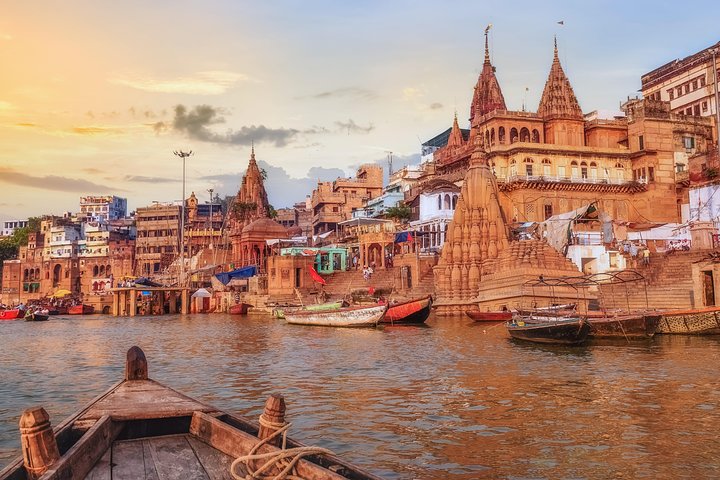
Full Day Varanasi Private Tour with Temples, Ghats & Rituals
From $24 · Price checked: Aug 2026
Best for: Travellers wanting a private full day in Varanasi shaped by a local guide's stories, who are happy to agree on stops in advance.
Not for: Planners who need a named site list, or those with limited stamina for an eleven hour day.
A private eleven hour day with a local guide, starting with a sunrise boat and moving through old temples and alleyways. Site detail is thin, so confirm whether Sarnath or aarti is included.
Check availabilityExternal booking on Viator · pricing and cancellations handled by Viator
Where Rishikesh has the advantage
Rishikesh came close because it let me stop hurrying. One line from my field note reads, as written: "The river was loud, and its cold spray raised goosebumps on my forearms as I walked the path below the ashram." Somewhere above me a conch sounded, then a bell, and the smell of marigold and incense mixed with damp sand. Once I stopped trying to reach the next temple, I noticed an older man sweeping the steps in long, patient strokes.
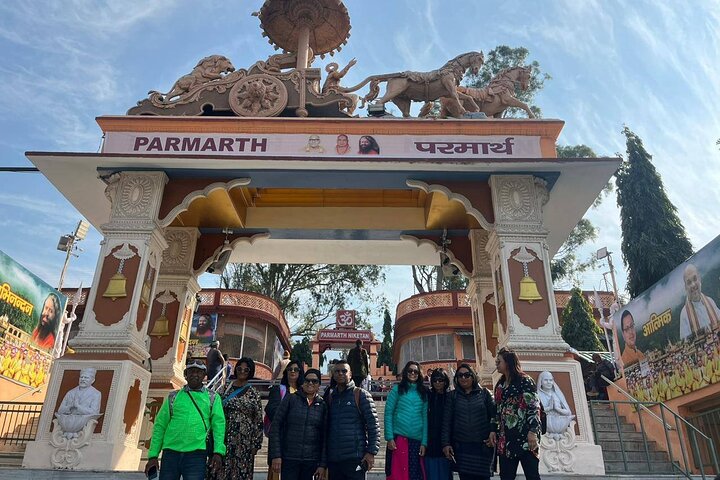
Uttarakhand Tourism lists Parmarth Niketan as a Rishikesh ashram offering yoga, meditation and Ganga Aarti by the river. You can read the board's own description on its Parmarth Niketan page.
Two private walks cover this ground differently. The Private Walking Tour in Rishikesh passes through Sivananda Ashram, the market, Ram Jhula and several temples, and it builds towards the Ganga Aarti at Parmarth Niketan, which is the real centrepiece. The Ashram Tour By Walk puts the teachings first: Sivananda, Swargashram, Gita Bhavan, the Beatles Ashram and Parmarth Niketan, with a crossing of Ram Jhula and a market stroll at the end.
Both formats are on foot, so book the Varanasi rowboat below instead when walking any distance is hard for you.
Private Walking Tour in Rishikesh
From $18 · Price checked: Sep 2026
Best for: Visitors who want the evening Ganga Aarti with context on the river and Hindu tradition, and are comfortable walking around 3.5 km.
Not for: Travellers wanting the Beatles Ashram or an ashram-by-ashram focus, which the dedicated ashram walk covers.
A private four hour walk of about 3.5 km through Sivananda Ashram, the market, Ram Jhula and temples, ending with Ganga Aarti at Parmarth Niketan. Unlike the ashram walk, the aarti is the centrepiece.
Check availabilityExternal booking on Viator · pricing and cancellations handled by Viator

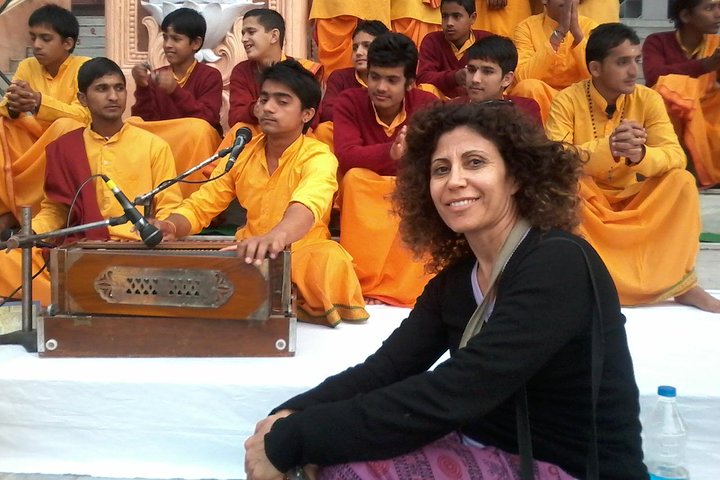
Ashram Tour By Walk in Rishikesh (Private Tour)
From $12.42 · Price checked: Sep 2026
Best for: Yoga practitioners and curious visitors who want ashram history and teachings in three to four hours on foot at a private pace.
Not for: Travellers unable to walk for several hours, or those who specifically want to attend the Ganga Aarti, which is not confirmed here.
A private walk through Rishikesh's ashrams including Sivananda, Swargashram, Gita Bhavan, the Beatles Ashram and Parmarth Niketan, crossing Ram Jhula and ending with a market stroll.
Check availabilityExternal booking on Viator · pricing and cancellations handled by Viator
Varanasi Morning Boat Tour [RowBoat]: The Experience
A rowboat at sunrise along the ghats is the gentlest way into Varanasi I know of. You sit, the oars set the pace, and daily Hindu life on the riverbanks passes by without you having to push through it. Early risers and travellers with limited mobility are the people I would send first.
If unhurried time at the ghats at dawn is what you want, avoid a group tour, because private departures leave earlier and let you linger without being herded along. My round-up of Varanasi pilgrimage tours compares the private options side by side.
Leave this one off your plan if you already have a full private day booked that opens with a sunrise boat.
![Varanasi Morning Boat Tour [RowBoat] - photo](/images/7330P3.jpg)
Varanasi Morning Boat Tour [RowBoat]
From $45 · Price checked: Sep 2026
Best for: Early risers and travellers with limited mobility who want a seated, slow-paced morning on the river as a first introduction to the ghats.
Not for: Visitors wanting temples, Sarnath or the evening aarti, none of which is included in this morning outing.
A three hour rowboat outing at sunrise along the ghats, observing Hindu daily life on the riverbanks. It allows more time on the water than the shorter 80 minute sunrise option.
Check availabilityExternal booking on Viator · pricing and cancellations handled by Viator
How to make the decision
What decided it for me was hearing. On a crowded riverbank, commentary shouted over engines and trading is lost, and the questions that matter to a pilgrim are personal ones that need a quiet reply. For Varanasi in particular, I would pay for a private guide before I would pay for anything else on the trip.
At Dashashwamedh Ghat in autumn 2022, my notebook entry reads, as written: "In the group tour I could hear perhaps every third sentence over the boat engines and hawkers." The next morning, alone with a guide, I asked why the cremation fires are never allowed to go out. The answer was long and patient, and we sat on warm stone steps while the river turned brass-coloured. Between those two mornings I stopped thinking of Varanasi as a place to see and started thinking of it as a place to ask about.
Dashashwamedh Ghat hosts Ganga Aarti, and ceremony timing varies with the season, so confirm the day's start time locally and not from an old itinerary.
If you would prefer to watch in silence and stay anonymous in the crowd, a private guide's steady conversation may feel intrusive, and a seated boat alone could serve you better.
Before you visit
Sarnath taught me the traffic lesson. On the road there in winter 2024, as written in my notes: "The car crawled through horn-blare and diesel for what felt like forever, and I regretted the detour twice." Then the city thinned into fields and low brick, and we arrived at lawns so quiet I could hear my own footsteps on the gravel. India's Ministry of Tourism has a Sarnath and Deer Park page if you want context before you go.
Dates are the second check. Dev Deepawali follows the Hindu lunar calendar, so confirm the published festival date before booking transport or accommodation.
The third check is what you carry and wear. In Rishikesh, follow the ashrams' own guidance on footwear and dress. For the practical sequence in Varanasi, from arrival to your last morning on the river, see my Varanasi planning guide.
Leave Sarnath out if you only have a morning or half a day in Varanasi.
Explore More
Related comparisons and guides:
Frequently Asked Questions
Which city suits a first-time pilgrim who wants to see Hindu ritual up close?
Varanasi puts the river's rituals directly in front of you, including the cremation ghats. Think twice if witnessing cremation would distress you, and plan your route with a guide who can steer you around it.
Is Rishikesh a sensible choice for yoga and meditation?
It fits those aims well, since the state tourism board describes Parmarth Niketan as offering both practices alongside the riverside aarti. Contact the ashram directly to ask how visitors can take part in sessions.
What should I wear to temples in Varanasi?
Wear long trousers or a long skirt, keep your shoulders covered, and carry a scarf for temple entry. Visitors in shorts or sleeveless tops are turned away at several temples.
Can I add Sarnath to a day in Varanasi?
You can if the whole day is set aside for it and you leave in the morning.
Is the morning rowboat tour suitable if I have limited mobility?
The outing is seated and slow-paced, which is why I recommend it for travellers with limited mobility. Ask the operator how boarding works at the ghat before you confirm.
Which Rishikesh walk includes the Ganga Aarti?
The Private Walking Tour in Rishikesh ends with the aarti at Parmarth Niketan. The Ashram Tour By Walk also stops at Parmarth Niketan, but it concentrates on ashram history and teaching.
Written from Jerusalem and Cairo.