Varanasi Evening Aarti: Where to Stand, When to Arrive, and What to Expect
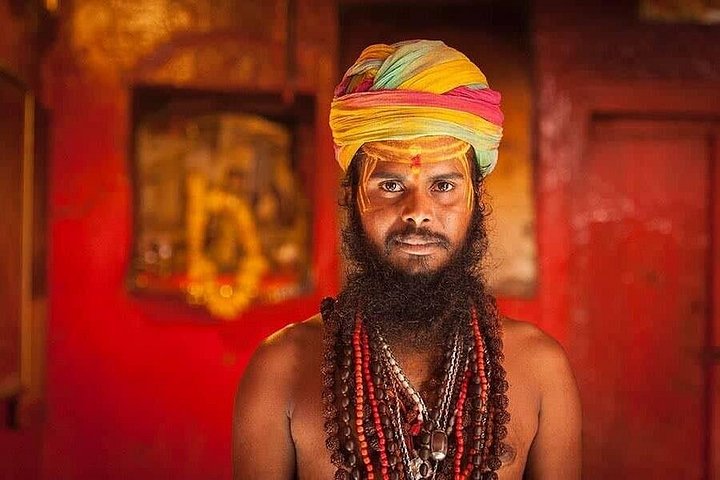
We earn a commission when you book through our links on Viator (PID P00299531), at no extra cost to you. This is how we keep the site free. Learn more →
What shapes a visit to Varanasi
At Varanasi's evening aarti, planning counts for more than stamina. Choose your season with care, work out early whether you want to watch from the steps or from the water, and have a fallback in case the river decides for you.
According to India's official tourism portal, the city is ideally approached through its river. That framing matters, because the river decides a great deal about your visit.
I learned this during a late-summer monsoon, when the river came up the steps. Brown water had covered the lower ghats and was lapping at doorways that stand high and dry in winter. The boats I had hoped to ride were tied off and going nowhere. Rain came down in warm sheets, and the whole waterfront smelled of wet silt and drenched marigolds. It was beautiful in its own heavy way, but it was not the visit I had planned.
The lesson was plain enough. Monsoon can stop boat rides and put the lower ghats underwater, so if you need reliable river access, aim for the cool, dry months and accept the larger crowds that come with them.
Varanasi Day Tour: Sunrise Boat, Old Alleys & Ganga Aarti: what the itinerary covers
I gave this one that heading because it is the kind of day that rescues a short visit to Varanasi. The listing describes a day built around river life: a sunrise boat, the ghats, narrow alleys, temples, markets, cremation grounds, ashrams and meetings with sadhus. By the time the lamps are lit that evening, you have already walked through the city the ceremony belongs to.
This tour does not suit anyone who finds dense, crowded lanes draining, or anyone who would like a calmer day built around landmarks.
Planning evening aarti ceremony in Varanasi
For me, what made the aarti worth the trip was the long quiet wait before it began and then the moment the lamps came alive. Dashashwamedh Ghat hosts Ganga Aarti, and ceremony timing varies with the season, so confirm the day's start time locally. If you arrive when it starts, you will mostly see the backs of other people's heads.
One spring evening I went early. I arrived while the priests' platforms were still empty and claimed a step with a clear sightline. By dusk I could not see any floor behind me, only people. When the tiered lamps were lit and swung together, I felt their heat on my face from where I sat, and every bell on the ghat rang at once.
I watched as a guest. The worship belongs to the priests who perform it and the devotees who join it, and I think the right posture for a visitor is attentive stillness: phone down for long stretches, and your space kept without spreading into anyone else's.
The steps are the wrong seat if you cannot sit still for a long wait while the crowd tightens behind you.
Varanasi One Day Tour with Sarnath, Boat Ride & Aarti: who this tour suits
This private day covers the full Hindu and Buddhist circuit: a dawn boat, a walk through the old city, Sarnath, and then an evening boat ride to the Ganga Aarti. Breaks for breakfast and lunch are built in.
Book something shorter if a long private day would wear you out even with meals built in, or if you already know Sarnath and only want the river.
What Surprised Me About Varanasi
What surprised me was how badly I needed quiet. Sarnath, close to Varanasi, gave me that quiet, and I now think of it as a deliberate half-day of rest in the middle of a trip. Plan it as the pause that makes the aarti feel new again.
The Ministry of Tourism's Sarnath page covers the Deer Park and its place in Buddhist history. I visited in winter. The great brick stupa rose out of clipped lawns like something left behind by a different country. Monks in maroon walked slowly around it while parakeets argued in the trees. After my four days in Varanasi's lanes, the open sky overhead felt like taking off a heavy coat.
I had not realised how tightly the old city had wound me up until I stepped out of it. When I returned to the ghats after Sarnath, I watched with fresh attention.
If you have only a single day in Varanasi and the aarti is your reason for coming, leave Sarnath for another trip.
Planning the visit well
My most useful advice is to arrange your days by the clock. Put the early mornings to work, save your energy for a long wait at dusk, and have someone reliable to get you home after the aarti.
In autumn I walked alone to the river at first light with a scarf over my hair, and the lanes held only sweepers and dogs. Men noticed me, but nobody approached. The evening was a different place. By evening the same lanes were dense enough that I kept my bag across my body and stayed on the wider streets. For a woman travelling solo, the real risk after dark is crowd pressure and losing your bearings, so I would use a guide or pre-arranged transport to get back from the ghat.
For clothing, I pack long trousers or a long skirt, tops that cover the shoulders, and a scarf, so a temple visit on the way to the river never turns into a problem.
If unhurried time at the ghats at dawn matters to you, book a private tour. The private full-day option among the cards below starts with a sunrise boat and takes you through old temples and alleyways with a local guide. Its listing gives little detail about the sites, so confirm whether Sarnath or the aarti is included before you book.
For the ground-level route between the ghats and temples, see my Varanasi ghats and temple walking guide. If you are weighing up the river itself, my Varanasi boat tour review compares the options on the water.
Before you visit
Before I went, I wish I had known how much the season, the start time and the way home would shape the evening.
First, check the season against what you want from the river. My monsoon visit showed me that high water can keep boats tied up and swallow the steps where people would otherwise sit. Second, confirm the aarti's start time on the day itself, with your guesthouse or guide, and work back from it so that you arrive long before it begins.
Third, look at the festival calendar. Dev Deepawali follows the Hindu lunar calendar, so confirm the published festival date before booking transport or accommodation.
Finally, plan the walk back before you set out. The lanes that felt calm to me at dawn were packed after dark, and the return journey needs the same thought as the arrival. For a wider view of how the guided options compare, my roundup of Varanasi pilgrimage tours sets them side by side.

Varanasi Day Tour: Sunrise Boat, Old Alleys & Ganga Aarti
From $48.25 · Price checked: Aug 2026
Best for: Curious travellers comfortable on foot in crowded lanes who want time among ashrams and ghats over an eight to ten hour day.
Not for: Visitors who would rather not visit cremation grounds, or who want Sarnath included in the day.
A day built around river life: sunrise boat, ghats, narrow alleys, temples, markets, two cremation grounds, ashrams and meetings with sadhus. It leans further into lived practice than monument-led tours.
Check availabilityExternal booking on Viator · pricing and cancellations handled by Viator
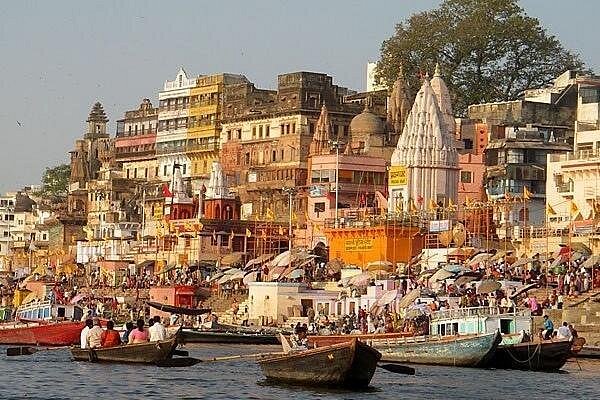
Varanasi One Day Tour with Sarnath, Boat Ride & Aarti
From $117.34 · Price checked: Aug 2026
Best for: First-time visitors and older travellers who want the full Hindu and Buddhist circuit with built-in breaks, or the option to spread it over two days.
Not for: Travellers with only a few hours free, or those wanting a food or ashram focus rather than the standard circuit.
A private fourteen hour day with dawn boat, old city walk, Sarnath and an evening boat ride to the Ganga Aarti, with breaks for breakfast and lunch. It can also be split across two days.
Check availabilityExternal booking on Viator · pricing and cancellations handled by Viator
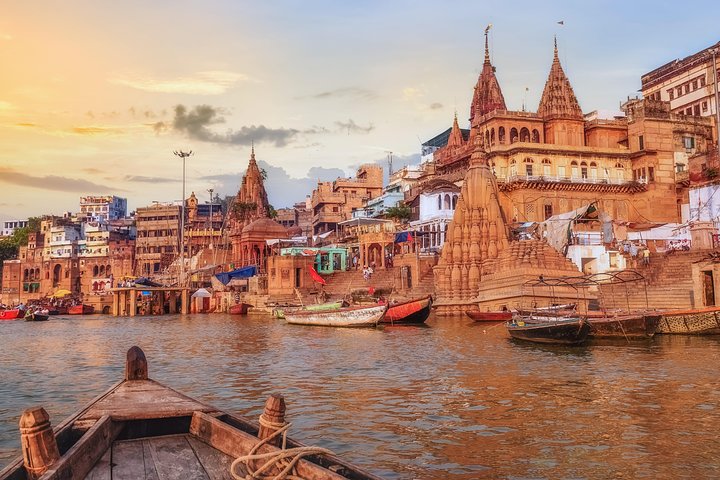
Full Day Varanasi Private Tour with Temples, Ghats & Rituals
From $24 · Price checked: Aug 2026
Best for: Travellers wanting a private full day in Varanasi shaped by a local guide's stories, who are happy to agree on stops in advance.
Not for: Planners who need a named site list, or those with limited stamina for an eleven hour day.
A private eleven hour day with a local guide, starting with a sunrise boat and moving through old temples and alleyways. Site detail is thin, so confirm whether Sarnath or aarti is included.
Check availabilityExternal booking on Viator · pricing and cancellations handled by Viator
Explore More
Related comparisons and guides:
Tours Featured in This Guide
Frequently Asked Questions
Where should I stand for the evening aarti at Dashashwamedh Ghat?
A step facing the priests' platforms gives the clearest view, but you have to hold it while the crowd builds behind you. A moored boat gives up some closeness in exchange for room to breathe and an easier way out afterwards.
What time does the Varanasi evening aarti start?
The start time moves with the seasons, so ask your guesthouse or guide on the morning you plan to go. Build your arrival around that answer and not around a time you found online.
Can I watch the aarti from a boat during the monsoon?
You should not count on it, because high water can keep boats moored. Keep a step-side viewing plan ready as your backup if you travel in the rainy season.
Is Varanasi manageable for a woman travelling alone to the aarti?
Early mornings felt calm to me, while evenings brought dense crowds in which it is easy to get disoriented. Arranging a guide or a driver for the return trip takes most of the strain out of the night.
Is Sarnath worth fitting around the aarti?
Sarnath rewards you most on a separate, slower half-day, when its lawns and stupa can work as a rest from the city. If you must combine them, choose a tour that builds in meal breaks.
Written from Jerusalem and Cairo.