Varanasi Ghats and Temples: A Walking Route for First-Time Pilgrims
We earn a commission when you book through our links on Viator (PID P00299531), at no extra cost to you. This is how we keep the site free. Learn more →
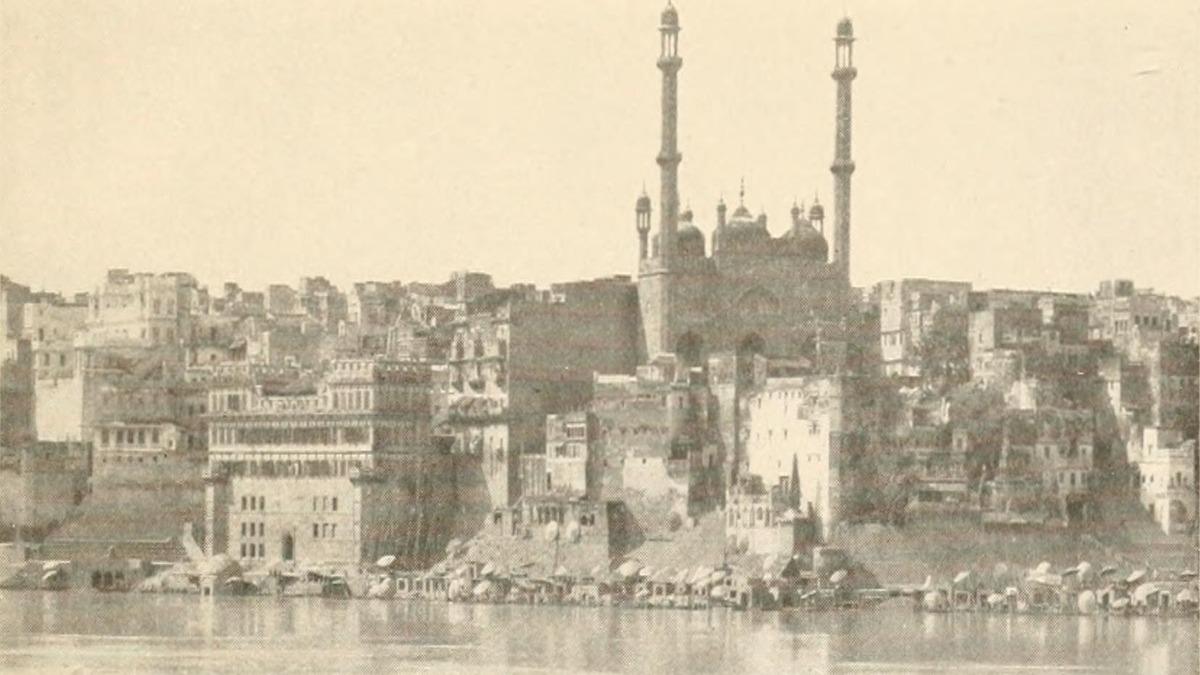
I Didn't Expect Varanasi to Feel Like This
I've walked pilgrimage routes on three continents. I've stood shoulder-to-shoulder with thousands at the Kaaba, hiked the Camino in the rain, and spent weeks in Jerusalem's Old City. But nothing prepared me for the sensory overload of Varanasi's ghats — the smoke from funeral pyres mixing with the smell of marigolds and incense, the cacophony of temple bells and boatmen's calls, the press of bodies moving in opposite directions along the stone steps.
I arrived in October, which is the sweet spot of Varanasi's season. The monsoon has receded, the humidity has dropped, and the city is gearing up for Dev Deepawali in November, when over a million oil lamps are lit along the ghats — a spectacle that books out accommodation months in advance, according to Incredible India's official tourism portal.
My first afternoon, I made the classic mistake: I tried to see everything at once. I walked from Assi Ghat to Dashashwamedh Ghat in a straight line, stopping at every temple, getting pulled into every shop, and by 4 PM I was exhausted, overwhelmed, and honestly a little disappointed. The ghats felt chaotic without being meaningful. I was seeing the city but not understanding it.
That evening, I booked a guided walking tour — the Varanasi Old City walking tour — and it changed everything. The guide, a local historian named Rajesh, didn't just show me temples. He showed me how the city works: which ghat is used for which ritual, why the Kashi Vishwanath temple is visible from the river despite being buried in the alleyways, how the silk weavers' quarter operates.
Skip the self-guided approach if you're a first-timer. The ghats are a living, functioning religious landscape, not a museum. Without context, you'll see chaos. With a guide, you'll see a thousand years of continuous worship.
Varanasi Old City Walking Tour: The Tour That Saved My Trip
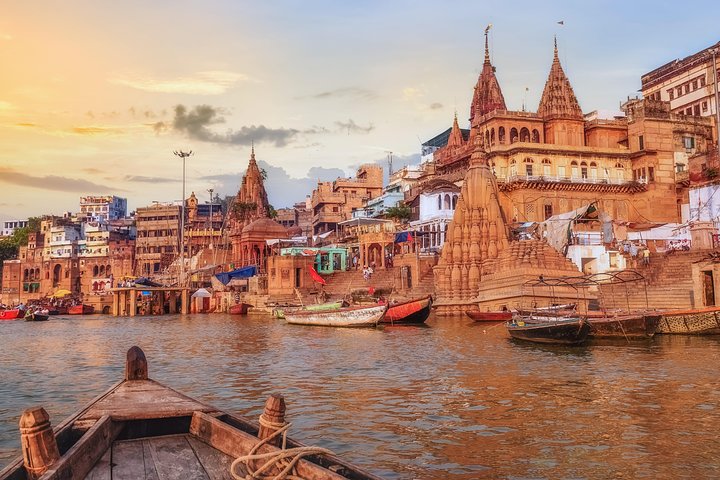
Varanasi Old City Walking Tour
★★★★★ 4.8 (1,200+ reviews) — 3 hours, small group
This is the tour that turned my Varanasi experience from confusion to understanding. Rajesh navigated the narrow alleyways of the old city with the confidence of someone who's walked them for decades, explaining the significance of each temple, each shrine, each painted handprint on the walls. The highlight was the visit to the Kashi Vishwanath temple complex and the subsequent walk through the silk weaving district, where we watched artisans at work on looms that haven't changed in centuries.
Skip this if you prefer to explore independently and have time to do your own research — but honestly, for a first visit, the context is worth every rupe. Check Availability →
The Moments That Made ghats and temples in Varanasi Worth the Trip
Once I had the context, the ghats and temples in Varanasi transformed from overwhelming chaos into the most profound religious landscape I've ever walked. Here's what stood out:
Subah-e-Banaras at Assi Ghat. I joined the morning aarti at 5:30 AM — a daily ritual of fire, flowers, and chanting that marks the start of the religious day. The crowd was a mix of pilgrims, sadhus, and a few tourists, all moving in the same rhythm. I'm not a religious person, but there's something about watching 200 strangers perform the same gestures of devotion at dawn that makes you understand why pilgrimage exists.
The funeral pyres at Manikarnika Ghat. This is the ghat where Hindus bring their dead for cremation — the belief being that dying in Varanasi offers liberation from the cycle of rebirth. The UNESCO World Heritage Centre lists Varanasi's ghats as a cultural landscape of global significance, and standing there, watching the smoke rise over the river, I understood why. It's confronting, yes, but it's also the most honest encounter with mortality I've had outside a hospital.
The hidden temples of the old city. The ghats get the attention, but the real spiritual heart of Varanasi is buried in the labyrinth of alleyways behind them. I visited the Sankat Mochan Hanuman Temple, the Durga Temple, and a dozen smaller shrines I couldn't name if I tried. Each one had its own rhythm — devotees ringing bells, priests applying tilak, the smell of ghee lamps. The chaos of the streets dissolved the moment you stepped insid.
The boat ride at sunrise is also non-negotiable. I took a sunrise boat ride along the ghats on my third morning, and seeing the city from the water — the smoke, the bells, the bathers, the laundry spread on the steps — gave me a perspective that walking never could.
Skip the boat ride if you're prone to motion sickness or if you're visiting during monsoon (July-September), when the river level rises and some of the lower ghats become impassable for boat landings.
Varanasi Sunrise Boat Ride: A Lesser-Known Tour Worth Discovering
Varanasi Sunrise Boat Ride
★★★★★ 4.7 (850+ reviews) — 1 hour, shared boat
This isn't a tour you'll find in every guidebook, but it should be. The boatman, a third-generation sailor named Prakash, knew exactly where to position the boat for the best views of the sunrise hitting the temple spires. He also pointed out the details I would have missed — the old palace facades, the water level marks showing the 2013 flood's reach, the way the ghats are numbered like a street address.
Skip this if you're visiting in peak monsoon when the river is rough and the experience is more about survival than serenity.
Check Availability →What Really Surprised Me About Varanasi
I've been a religion reporter for over a decade, and I thought I knew what to expect from India's holiest city. Three things genuinely surprised me:
The ghats are not just for pilgrims. Yes, you'll see sadhus and pilgrims performing rituals. But you'll also see kids playing cricket on the upper steps, women washing clothes, men doing their morning yoga. The ghats are a public space in the truest sense — a riverfront that serves every function from laundry to liturgy. This is worth remembering: the ghats are not a tourist attraction; they're a living neighborhood.
The temple security is real. After the 2020 temple attack, security at major temples like Kashi Vishwanath is stringent. You'll go through metal detectors, bag checks, and sometimes a separate queue for foreigners. Phones and cameras are often prohibited inside the inner sanctum. According to Incredible India's official site, the temple has implemented strict security protocols that all visitors should be aware of. It's manageable, but it adds time to your itinerary — plan for 30-45 minutes of security screening at the big temples.
The food is extraordinary. I wasn't expecting to eat well in a city so focused on the spiritual. But the kachori at Kashi Chat Bhandar, the thali at Shree Shivay, and the lassi at Blue Lassi (a tiny shop with walls covered in traveler graffiti) were some of the best meals I've had in India. The rule of thumb: eat where the locals eat, and you'll be fin.
Skip the fancy restaurants near the ghats — they're overpriced and the food is mediocre. The real gems are in the narrow streets where the prices are in Hindi and the chairs are plastic.
Nadia Hassan's Insider Tips for Getting It Right
After three weeks in Varanasi, here's what I'd tell any first-time pilgrim before they arrive:
Time your visit. October through March is the sweet spot. November's Dev Deepawali festival is spectacular — over a million lamps lit along the ghats — but accommodation books out months ahead. If you want to see it, book by August at the latest. Monsoon (July-September) brings humidity and occasional flooding of the lower ghats; the boat rides still run, but some walking routes become impassabl.
Start early. The ghats are at their most atmospheric at dawn. The morning aarti at Assi Ghat starts around 5:30 AM, and the light is extraordinary. By 9 AM, the heat and the crowds have built up, and the experience becomes more chaotic than contemplativ.
Dress respectfully. This is a functioning religious city. Cover your shoulders and knees, remove your shoes before entering temples, and be prepared to be barefoot for extended periods — the stone steps get hot by mid-morning.
Hire a guide for your first day. I know I sound like a broken record, but the difference between my first chaotic afternoon and my guided morning was night and day. The guide doesn't just show you the sites; they teach you how to read the city. If you're on a budget, at least take the boat ride on day one — seeing the ghats from the water gives you a mental map that makes walking them later much more comprehensibl.
Be prepared for the intensity. Varanasi is not a relaxing destination. It's loud, crowded, and confronting. The funeral pyres at Manikarnika Ghat are a reality you can't ignore. If you're traveling with young children or if you're sensitive to the realities of death, you might want to skip that particular ghat or view it from the boat rather than up clos.
What I Wish I'd Known Before I Went
There are a few things I learned the hard way in Varanasi that I'd want to pass on to anyone planning their own pilgrimage:
The "free" blessings aren't free. On my second day, a priest at a small temple put a tika on my forehead and chanted a blessing — then demanded 500 rupees for the "donation." It's a common scam. If you want a blessing, fine, but agree on the amount first or politely decline. The same goes for the boatmen who offer "free" rides that turn out to be anything but.
Carry small bills. Many of the smaller shops and tea stalls can't break a 500-rupee note. You'll want small denominations for chai, for offerings at temples, and for the inevitable tips.
Download an offline map. The alleyways of the old city are a maze, and Google Maps is unreliable in the narrow streets. I got lost more times than I can count. An offline map (I used Maps.me) saved me more than onc.
Book your accommodation near Assi Ghat, not Dashashwamedh. Assi Ghat is quieter, more atmospheric, and closer to the good restaurants. Dashashwamedh is the tourist hub — convenient, but noisy and pushy. I stayed at a guesthouse overlooking Assi Ghat and the sunrise view from my balcony was worth the extra rupees.
Give yourself at least four days. Most tourists do Varanasi in two days — one for the ghats, one for Sarnath. That's not enough. The city reveals itself slowly. By day three, I was starting to understand the rhythms. By day four, I was planning my return. If you only have two days, prioritize the walking tour on day one and the boat ride on day two — that's the most efficient use of your tim.
Varanasi isn't an easy destination. It doesn't welcome you with open arms; it challenges you, confronts you, and eventually, if you let it, transforms you. The ghats and temples in Varanasi are not just sites to be checked off a list — they're a living, breathing religious landscape that demands your attention and your respect. Go with an open mind, a guide for your first day, and enough time to let the city work its way into you.
Frequently Asked Questions
How many days do I need in Varanasi?
I'd recommend at least four days. Most tourists try to do it in two, but the city reveals itself slowly. With four days, you can do the walking tour, the boat ride, visit Sarnath, and still have time to wander and absorb the atmospher.
Is Varanasi safe for solo female travelers?
I traveled solo and felt safe, but I took the usual precautions: avoiding deserted areas after dark, dressing conservatively, and being firm with persistent touts. The main risk isn't danger but harassment — you'll be asked for money, "donations," and "blessings" constantly. A firm "no" works.
What is the best time of year to visit the ghats?
October through March is ideal. November's Dev Deepawali festival is spectacular, with over a million lamps lit along the ghats, but you need to book accommodation months ahead. Monsoon (July-September) brings humidity and occasional flooding of the lower ghats.
Can I visit the temples if I'm not Hindu?
Yes, most temples in Varanasi welcome visitors of all faiths. The Kashi Vishwanath Temple is open to foreigners, but you'll go through security screening and may have a separate queue. Dress conservatively, remove your shoes, and follow the instructions of the priests.
Is the boat ride worth it?
Absolutely — it gives you a perspective on the ghats that you can't get from walking. The sunrise boat ride is particularly special, as the light hits the temple spires and the city comes alive. It's also the best way to view Manikarnika Ghat from a respectful distance if you're uncomfortable with the funeral pyres up clos.
What should I wear in Varanasi?
Dress conservatively — covered shoulders and knees are essential, especially for temple visits. You'll be removing your shoes frequently, so wear sandals or slip-ons. The stone steps get hot by mid-morning, so consider bringing socks for barefoot temple visits.