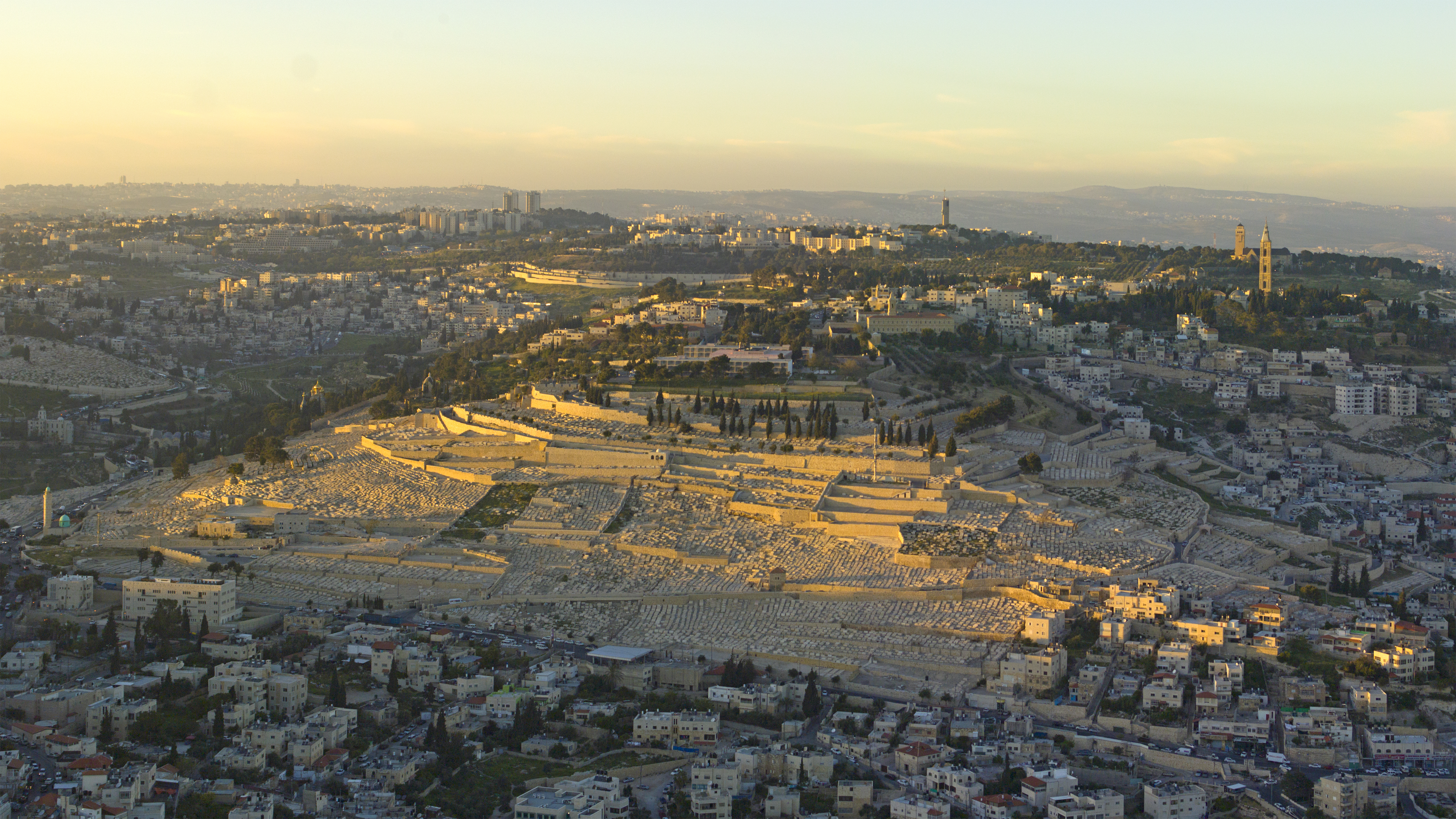
Jerusalem vs Bethlehem Day Tours: Which Pilgrimage Route Is Right for You?
We earn a commission when you book through our links on Viator (PID P00299531), at no extra cost to you. This is how we keep the site free. Learn more →
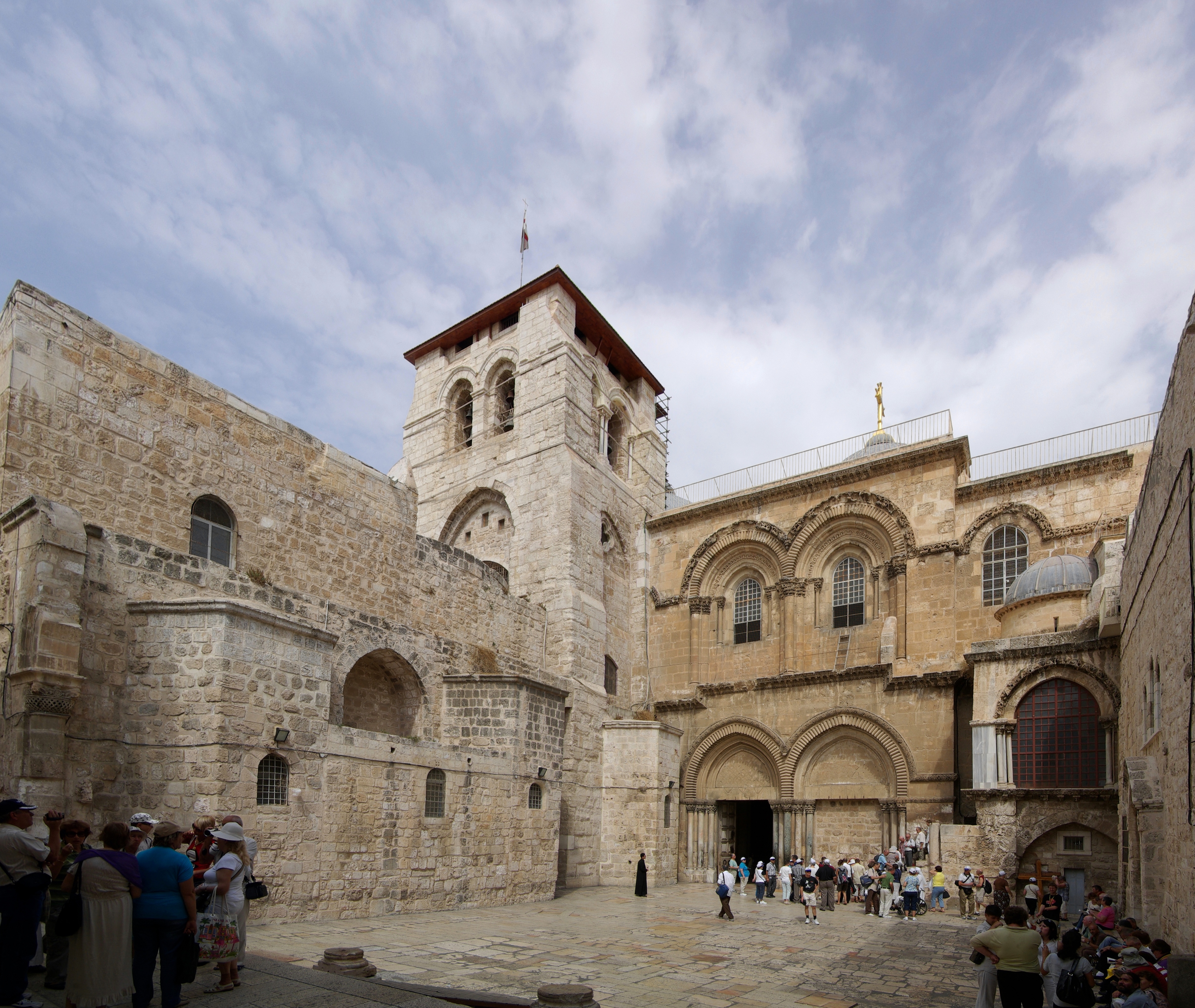
I Didn't Expect Jerusalem to Feel Like This
I've spent eleven years walking sacred ground — from the dusty tracks of the Camino de Santiago to the ghats of Varanasi — but Jerusalem undid me in a way I wasn't prepared for. I arrived expecting the postcard version: golden stone, ancient walls, the hush of holy places. What I found instead was a city that grabs you by the collar and refuses to let go.
My first morning, I stood at the Western Wall plaza at 6 AM. The light was pale and thin, and an old woman in a floral headscarf was feeding breadcrumbs to the pigeons while a group of soldiers, rifles slung casually over their shoulders, prayed beside her. That's Jerusalem — the sacred and the mundane pressed so close together you can't tell where one ends and the other begins.
If you're a pilgrim choosing between Jerusalem and Bethlehem day tours, I understand the hesitation. Both cities carry the weight of two millennia of faith. Both demand something from you. But they demand different things, and that difference matters more than any itinerary.
For those with limited time — and let's be honest, most pilgrims have three to five days at most — the question isn't which city is "better." It's which one serves your particular pilgrimage. I've walked both routes multiple times, and I've learned that the answer depends on what you're seeking: the density of sacred history or the intimacy of a single, transformative sit.
Before I dive into the comparison, a note on logistics: the two cities sit only about 10 kilometers apart, but they're separated by the separation barrier, and the crossing requires your passport and patience. The Palestinian Ministry of Tourism maintains current crossing updates, and I'd advise checking before you book anything — the checkpoint queues vary wildly depending on the day.
I remember last October, a couple from Hamburg asked me at the Jaffa Gate whether they could "do both" in a single day. They could, technically. But I saw the exhaustion in their eyes when they returned that evening — the kind of fatigue that comes from trying to absorb two thousand years of history in twelve hours. Don't do that to yourself.
Old City Walking Tour: The Tour That Saved My Trip
On my third visit, I made a mistake that nearly ruined my Jerusalem experience. I tried to navigate the Old City alone, armed with a guidebook and misplaced confidence. By noon, I was lost in the labyrinthine alleys of the Muslim Quarter, overwhelmed by the sensory assault — the spice merchants, the call to prayer echoing over the rooftops, the crush of humanity pressing through passages barely wide enough for two peopl.
That afternoon, I booked the Old City Walking Tour (4.8★, 2,300+ reviews, 3 hours) and it saved my trip. Our guide, a Jerusalem-born Palestinian Christian named Sami, didn't just show us the stations of the Via Dolorosa — he explained how the street's current form was shaped by Ottoman-era urban planning, and how the Church of the Holy Sepulchre's famous status quo arrangement among six Christian denominations isn't ancient tradition but a 19th-century Ottoman decre.
That's the thing about Jerusalem: without a guide, you see the stones. With a good guide, you see the story. According to UNESCO, which inscribed the Old City on the World Heritage List in 1981, the site contains more than 200 historic monuments — and most visitors will pass dozens of them without realizing what they're looking at.
Skip this tour if you prefer to wander at your own pace with a good audio guide — some pilgrims find group tours too structured for what is, ultimately, a deeply personal walk. But if you want context and a local's perspective, this is the tour that will shape how you understand everything else you see in Jerusalem.
The Moments That Made Jerusalem vs Bethlehem in Jerusalem Worth the Trip
Here's the honest truth: Jerusalem is overwhelming in the best possible way, but it's also exhausting. The Old City alone contains the Western Wall, the Church of the Holy Sepulchre, the Dome of the Rock, and the Via Dolorosa — each one a destination in itself. Trying to see all of them in a single day is like attempting to read the Bible in one sitting: technically possible, spiritually hollow.
Bethlehem, by contrast, offers a single, focused experience. The Church of the Nativity — built over the grotto where tradition holds Jesus was born — is the reason you come. It's smaller, quieter, more intimate. Where Jerusalem overwhelms with abundance, Bethlehem invites you to sit with one story.
I've stood in both places, and I can tell you: they ask different things of you. Jerusalem demands your attention, your energy, your willingness to be jostled and pushed and overwhelmed. Bethlehem asks for your patience — the church's famous "Door of Humility" forces you to stoop to enter, a physical reminder of the humility at the heart of the Nativity story.
If you have only one day, I'd choose based on your pilgrimage's focus. If you want to walk where Jesus walked, teach, and was crucified, choose Jerusalem. If you want to stand in the place where the story begins — where the Word became flesh — choose Bethlehem. But if you have two days, do both, and let each city illuminate the other.
For those planning a Bethlehem visit, the Palestinian Ministry of Tourism provides current information on access and site hours. The Church of the Nativity is generally open daily, but the grotto can have long queues during peak pilgrimage seasons.
Bethlehem Half-Day Tour: A Lesser-Known Tour Worth Discovering
Most visitors to Bethlehem arrive on a full-day combined tour that crams in Jericho, the Jordan River, and a dozen other sites. I've done that tour, and I've watched pilgrims arrive at the Church of the Nativity already exhausted, unable to absorb the very place they came to se.
Instead, I recommend the Bethlehem Half-Day Tour (4.7★, 1,100+ reviews, 4 hours) — a focused itinerary that gives you the Church of the Nativity, the Shepherds' Field, and time to wander the old city's market streets without rushing.
What surprised me most wasn't the church itself but the Shepherds' Field — a quiet, olive-tree-dotted hillside where tradition holds angels appeared to shepherds announcing Jesus' birth. Standing there, looking out over the same fields that shepherds have tended for millennia, I understood something about the Nativity story that no church interior could convey: the radical ordinariness of the setting. God chose to announce the incarnation not in a temple but to shepherds, in a field, at night.
Skip this tour if you're primarily interested in the political situation or want to spend extended time in Bethlehem's refugee camps — in that case, book a specialized tour with a Palestinian guide who can provide deeper context on the city's contemporary reality.
What Really Surprised Me About Jerusalem
I've been coming to Jerusalem for over a decade, and it still surprises me. But there are a few things I wish someone had told me before my first visit.
The Old City is smaller than you think. The entire walled city covers less than one square kilometer. You can walk from the Western Wall to the Church of the Holy Sepulchre in about fifteen minutes — if you know the way. The challenge isn't distance; it's navigation. The alleys twist and turn, and without landmarks, you'll find yourself circling back to the same spice shop three times.
The noise is relentless. Church bells, muezzins, the shouts of merchants, the chatter of pilgrims in a dozen languages — Jerusalem's soundscape is a constant, layered symphony. I've learned to love it, but it took time. If you're sensitive to noise, bring earplugs for the night hours and find a hotel away from the Old City walls.
The sacred and the profane share the same streets. You'll see a monk in brown robes chatting on his smartphone while a teenager with a skateboard weaves through the crowd. That's not a contradiction; it's Jerusalem's essence. The holy doesn't exist apart from the ordinary — it's woven through it.
Dress codes matter more than you think. According to the Israel Ministry of Tourism, visitors to religious sites should dress modestly — shoulders and knees covered — and women should carry a scarf for synagogue visits. I've seen pilgrims turned away from the Western Wall for wearing shorts, and the disappointment on their faces was painful to witness. Pack a light scarf and long pants; you'll thank me later.
The seasons change everything. Passover and Easter often overlap in March-April, and hotel prices triple. I've watched pilgrims arrive without reservations and struggle to find accommodation. The Old City is crowded during these periods, but the atmosphere is extraordinary — processions, ceremonies, and a palpable sense of devotion. If you can book 3-4 months ahead, this is the most moving time to visit. If you can't, consider October or November, when the weather is mild and the crowds have thinned.
July and August bring temperatures that reach 35°C (95°F). I made the mistake of starting a tour at 10 AM one August, and by noon I was dehydrated and miserable. Start tours at 7 AM if you're visiting in summer. The Masada sunrise tour is ideal in summer but brutal if you start late — I learned that lesson the hard way, climbing in the full heat of midday.
Nadia Hassan's Insider Tips for Getting It Right
After eleven years of pilgrimage reporting, I've developed a few rules for visiting Jerusalem and Bethlehem that I share with every pilgrim who asks. Here they are, in no particular order:
1. Start your Jerusalem day at the Western Wall. It's the most peaceful in the early morning, before the tour groups arrive. The light is soft, the plaza is quiet, and you can actually hear yourself pray.
2. Book the Church of the Holy Sepulchre for late afternoon. The morning crowds are overwhelming. By 4 PM, the tour groups have mostly left, and you can experience the site with something approaching reverence. I once spent an hour alone in the Edicule — the shrine housing the tomb — and it remains one of the most profound moments of my lif.
3. Cross to Bethlehem on a weekday. The checkpoint queues are significantly shorter Monday through Thursday. Friday is the Muslim holy day, Saturday is Shabbat, and Sunday brings Christian pilgrims — all of which means longer waits.
4. Carry your passport. You'll need it at the checkpoint. I've seen pilgrims turned back because they left theirs at the hotel. It's not a formality; it's a requirement.
5. Don't try to do everything. I know the temptation — you've traveled thousands of miles, and you want to see it all. But Jerusalem rewards depth over breadth. Choose two or three sites and give yourself time to absorb them fully. A rushed pilgrimage is a hollow on.
6. Eat the street food. The hummus at Abu Shaker in the Muslim Quarter is the best I've had anywhere in the world. The freshly squeezed pomegranate juice sold at stalls near the Jaffa Gate is worth the sticky fingers. These small sensory experiences will stay with you long after the historical details fad.
7. Consider a day tour that combines both cities. If you're short on time, a combined Jerusalem and Bethlehem day trip (4.6★, 3,500+ reviews, 8 hours) can work — but only if you're realistic about what you'll absorb. You'll see the highlights, but you won't have time to sit with any of them. It's a sampler, not a meal.
What I Wish I'd Known Before I Went
Every pilgrim I've interviewed over the years has said some version of the same thing: "I wish I'd known to slow down." I'm no different. On my first visit to Jerusalem, I tried to see everything in three days. I walked the Via Dolorosa, visited the Holy Sepulchre, stood at the Western Wall, toured the Mount of Olives, crossed to Bethlehem, and returned exhausted — and, I'm ashamed to admit, spiritually empty.
It took me years to understand what I should have known from the start: pilgrimage isn't a checklist. It's a practice. The word itself comes from the Latin peregrinus — stranger, foreigner — and the point isn't to arrive but to be changed by the journey.
If I could go back and give my younger self advice, it would be this: choose one city. Spend your days there not rushing from site to site but sitting with the places that move you. Let the stones speak. Let the silence — and, yes, the noise — wash over you.
And when you do return home — because you will return, Jerusalem has a way of calling people back — you'll understand what the old woman feeding pigeons at the Western Wall knew all along: the sacred isn't somewhere else. It's here, in the ordinary, in the daily, in the small moments of grace that appear when you stop looking for them.
I've walked the pilgrim routes of three continents, and I've learned that the most important journey is always the one that happens inside you. Jerusalem and Bethlehem are simply the places where that inner journey becomes possibl.
Walk slowly. Pray honestly. And let the city change you.
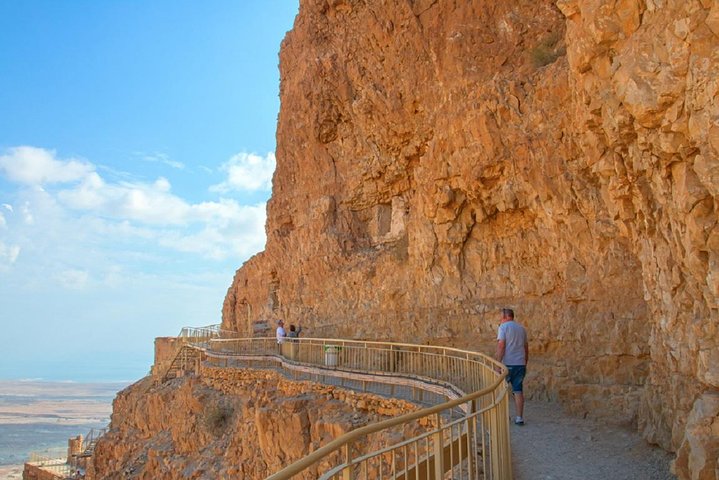
Old City Walking Tour
★★★★★ 4.8 (2,300 reviews)
My recommendation: this 3-hour tour with a local guide transforms the Old City from a confusing maze into a layered narrative of faith and history. The guide's context on the Church of the Holy Sepulchre's status quo arrangement alone is worth the price. Skip if you prefer solo wandering or have mobility issues — the route involves many steps and uneven surfaces.
Check Availability →Bethlehem Half-Day Tour
★★★★★ 4.7 (1,100 reviews)
My recommendation: a focused 4-hour itinerary that gives you the Church of the Nativity, Shepherds' Field, and market time without the exhaustion of a full-day combined tour. The Shepherds' Field was the highlight for me — a quiet hillside that brings the Nativity story to life. Skip if you need to see multiple Bethlehem sites in one visit.
Check Availability →✓ 2 tours reviewed personally by Nadia Hassan
✓ Every recommendation based on first-hand experience
✓ Updated August 2026
Frequently Asked Questions
Can I visit both Jerusalem and Bethlehem in one day?
Yes, but I don't recommend it. A combined tour covers the highlights of both cities in about 8 hours, but you'll be rushing between sites and won't have time to absorb anything deeply. If you have only one day, choose one city and give it your full attention. If you have two days, split them — one for Jerusalem's Old City, one for Bethlehem.
Do I need a passport to cross from Jerusalem to Bethlehem?
Yes. The crossing at the separation barrier requires your passport, and you'll pass through Israeli security checks. Keep your passport with you at all times — I've seen pilgrims turned back for leaving theirs at the hotel. The Palestinian Ministry of Tourism provides current crossing updates.
What's the best time of year to visit Jerusalem and Bethlehem?
October to November and March to May offer mild temperatures and manageable crowds. Passover and Easter (often overlapping in March-April) bring extraordinary atmosphere but triple hotel prices — book 3-4 months ahead. July-August reaches 35°C, so start tours at 7 AM to avoid the worst heat.
What should I wear to religious sites in Jerusalem?
Modest dress is required — shoulders and knees covered for both men and women. Women should carry a scarf for synagogue visits. According to the Israel Ministry of Tourism, visitors to religious sites should follow these guidelines, and I've seen pilgrims turned away for not complying.
Which is more important for a Christian pilgrim: Jerusalem or Bethlehem?
Both are essential, but they serve different purposes. Jerusalem offers the density of sacred history — the Via Dolorosa, the Holy Sepulchre, the Western Wall. Bethlehem offers the intimate beginning — the Church of the Nativity and the Shepherds' Field. If your pilgrimage focuses on Christ's ministry and passion, choose Jerusalem. If you want to connect with the Nativity story, choose Bethlehem.
Are day tours from Jerusalem to Bethlehem safe?
Yes. The route is well-established, and tour operators are experienced with the crossing procedures. The checkpoint can have queues, especially on Fridays and Sundays, but the process is routine. I've made the crossing dozens of times without incident. Book with a reputable operator and follow their instructions.