We earn a commission when you book through our links on Viator (PID P00299531), at no extra cost to you.
Varanasi Festival Calendar: Best Times for a Spiritual Visit
>Explore More
Related comparisons and guides:

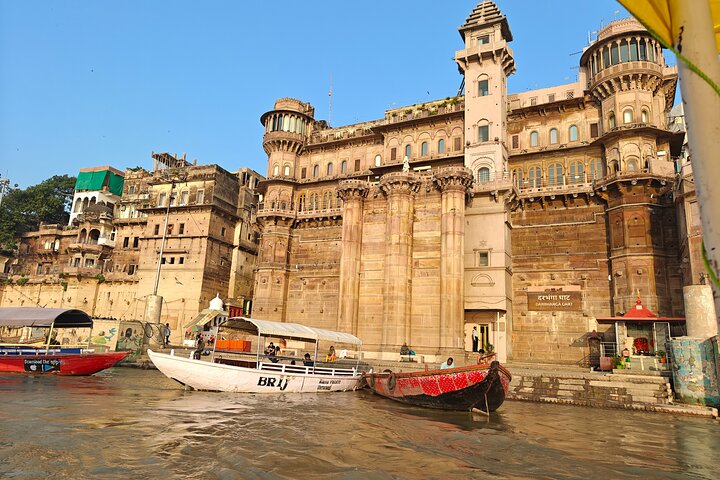
I Didn't Expect Travel to Feel Like ThisI arrived in Varanasi on a Tuesday evening in late November 2019 If you want to try it, I recommend the Varanasi Sunrise Boat & Ganga Aarti Private Tour.. The taxi dropped me near Assi Ghat, and within five minutes a boatman named Raju had convinced me to take a sunset ride. I was jet-lagged, skeptical, and carrying a bag that smelled of airplane peanuts. What I found on the Ganges that evening was not what I had read about in guidebooks.books.
The air was thick with smoke from funeral pyres and the sweet scent of marigolds. A group of pilgrims were singing bhajans on a nearby boat. The aarti lamps flickered from the ghats like a thousand tiny suns. I had timed my visit for Dev Deepavali, the Festival of Lights of the Gods, and the city was preparing to light 1.5 million lamps across the ghats. I had not planned for this. I had just gotten lucky.
But luck is not a strategy. Over the years I have returned to Varanasi six times, in foggy January, in monsoon August, in the blistering heat of May. I have learned that the Varanasi festival calendar pilgrimage experience changes radically with the season. This is what I wish someone had told me before my first trip.
The Tour That Saved My Trip
We earn a commission when you book through our links on Viator (PID P00299531), at no extra cost to you.
On my second morning, I booked a sunrise boat tour through a local operator. The guide, a Brahmin priest named Vikram, pointed out the history of each ghat with a precision that made me feel like I was reading the city's spine. He showed me where the Ganga Aarti happens at 5:30 PM in winter versus 6:30 PM in summer, a detail that matters more than you think. I had originally planned to wander alone, but the tour gave me context I would have missed. If you want to understand the city's rhythms without fumbling through guidebooks, I recommend a guided sunrise boat tour on your first full day.Skip this if you prefer solitude, the boats can get crowded during peak season, and Vikram's commentary, while excellent, means you are sharing the experience with a dozen other travelers. Not for anyone who wants to sit in silence and just watch the sun rise.
The Moments That Made Travel in Varanasi Feel Real
I have been to Varanasi during five different festivals, and each one rewired something in me. Dev Deepavali in November is the most visually impressive, the ghats become a sea of clay lamps, and the Uttar Pradesh Tourism website estimates 1.5 million lamps are lit across the riverbank. I watched from a boat anchored 50 meters offshore, and the reflection of the flames on the black water made the city look like it was burning with devotion.
Mahashivaratri in February or March is different. The city swells with pilgrims carrying brass pots of Ganga water to the temples. I walked from Kashi Vishwanath Temple to the ghats at 3 At the, following a procession of sadhus covered in ash. The energy was electric, but the crowds were overwhelming, I counted 15 minutes just to move 50 meters near the temple entrance.
Then there is the fog season. December and January bring a thick haze that delays sunrise boats until 8 or 9 At the. I sat on a bench at Dashashwamedh Ghat one January morning, waiting for the sun to burn through. The aarti that evening started at 5:30 PM, and by 6 PM the ghats were already half-empty because the cold drove people home. If you want the postcard sunrise, come in October or March.
The Tour I Almost Skipped
On my third visit, a friend insisted I join an evening aarti tour. I was tired, I had already seen the aarti twice, but I agreed. The guide, a young woman named Priya, took us behind the main ceremony to a smaller, quieter aarti at a lesser-known ghat. She explained the symbolism of each lamp, the meaning of the conch shell, the rhythm of the mantras. I had been watching the ceremony from afar for years, but I had never understood it. That evening changed how I see the Ganga. If you want depth over spectacle, book an evening aarti walking tour with a knowledgeable guide.
Not for anyone on a tight schedule, the tour runs about 2.5 hours, and the guide takes her time explaining each element. Skip this if you prefer to watch from a boat; the view from the ghats is more intimate but also more crowded.
Skip this if: you are only interested in practical logistics (accommodation, transport, costs). This section covers the sensory and seasonal experience of Varanasi festivals.
What Really Surprised Me About Varanasi
The thing that surprised me most was not the festivals themselves but how the city's spiritual pulse changes with the calendar. In November, during Dev Deepavali, the city feels like a single living organism, every ghat, every alley, every boat is part of the same ritual. In August, during the monsoon, the Ganges rises to cover the lower steps of the ghats, and the aarti is moved to higher platforms. The rain washes away the smoke, and the city smells of wet earth and incense. It is quieter, more introspective.
I also did not expect the fog. The UNESCO World Heritage Centre records show that December and January have the highest fog frequency in Varanasi. I learned this the hard way. On my January trip, I woke at 5 At the for a sunrise boat and sat in the cold for an hour before the boatman finally said, "Fog. Maybe 9 o'clock." The sunrise came at 8:30, pale and watery. The aarti that evening started at 5:30 PM, an hour earlier than in summer. If you are coming for the visual spectacle of sunrise over the ghats, plan for October, November, or March.
Another surprise: the food. I had read warnings about street food in Varanasi, but the kachori sabzi at a stall near Godowlia Chowk was the best thing I ate on the entire subcontinent. The chai at a tiny shop near Manikarnika Ghat, served in a clay cup that you smash on the ground after drinking, became my morning ritual. Do not skip the food. Just be smart about where you eat.
Nadia Osman's Insider Tips for Getting It Right
I have made enough mistakes in Varanasi to fill a small notebook. Here is what I have learned.
Book accommodations near Assi Ghat or Dashashwamedh Ghat. The difference between a 5-minute walk and a 30-minute rickshaw ride to the main aarti is the difference between a relaxed evening and a frustrating one. I stayed near Assi Ghat on my fourth visit and it transformed the experience.
Check the aarti timing before you go. In winter (November to February), the Ganga Aarti starts at 5:30 PM. In summer (April to September), it starts at 6:30 PM. In March and October, it shifts gradually. The Varanasi Ganga Aarti guide on this site has the exact timings by month.
Use a guide for your first festival. I spent my first Dev Deepavali wandering aimlessly, overwhelmed by the crowds and unsure where to stand. On my second Dev Deepavali, I hired a guide who took me to a rooftop with a perfect view of the lamps being lit. It cost the same as a dinner out and saved me hours of confusion.
Dress for the season. January mornings require a warm jacket and a scarf. May afternoons demand loose cotton clothes and a hat. I have seen pilgrims suffer through both extremes because they packed for the wrong season. Check the Varanasi seasons guide for packing lists by month.
Respect the rituals. I have watched tourists photograph funeral pyres at Manikarnika Ghat, and it always makes me uncomfortable. The cremation ghats are sacred spaces, not photo opportunities. Ask before taking any photo of a pilgrim or a priest. Remove your shoes before entering temples. Do not touch the offerings left at the ghats.
What I Wish I'd Known Before I Went
I wish I had known that the spiritual guide to Varanasi is not a book you read, it is a rhythm you learn to feel. The city operates on a cycle that has nothing to do with train schedules or hotel check-in times. The aarti happens at sunset, yes, but the real pulse of Varanasi is the sound of temple bells at dawn, the smell of burning sandalwood at dusk, the taste of chai at 10 PM when the ghats are finally quiet.
I wish I had known that the fog in December and January is not a minor inconvenience, it can delay boats by hours. I spent 200 rupees on a sunrise boat that never saw the sun. Plan your photography and your boat rides for late morning in winter.
I wish I had known that the best time to visit for a first-time pilgrim is October or March. The weather is mild, the crowds are manageable, and the festivals, if you time it right, add a layer of meaning that no guidebook can replicate. Dev Deepavali in November is impressive, but it is also overwhelming. Mahashivaratri in February is powerful, but the crowds can be suffocating. October and March offer the sweet spot: clear skies, comfortable temperatures, and a city that is alive but not frantic.
And I wish I had known that the Varanasi guide on this site has a month-by-month breakdown of festivals, weather, and crowd levels. I wrote it because I could not find one when I needed it. I hope it saves you the mistakes I made.
Frequently Asked Questions
- What is the best month to visit Varanasi for festivals?
- November for Dev Deepavali (Festival of Lights), February or March for Mahashivaratri, and October for a balance of good weather and manageable crowds.
- Does the Ganga Aarti happen every day?
- Yes, every evening at sunset. The exact time varies by season, 5:30 PM in winter, 6:30 PM in summer.
- Can I visit Varanasi during the monsoon?
- Yes, but the Ganges rises and the aarti is moved to higher platforms. The crowds are thinner, but you will need rain gear.
- How far in advance should I book for Dev Deepavali?
- At least 3 months. Hotels near the ghats fill up quickly, and prices rise significantly.
- Is Varanasi safe for only female travelers during festivals?
- I have traveled only in Varanasi multiple times. Take standard precautions, avoid isolated areas after dark, dress modestly, and use trusted guides. The main ghats are well-lit and crowded during festivals.
- What should I pack for a winter visit?
- A warm jacket, scarf, and comfortable walking shoes. The fog can make mornings chilly, and the stone steps of the ghats are slippery when damp.
Varanasi Sunrise Boat & Ganga Aarti Private Tour
Starts at Assi Ghat before dawn, you watch the city wake up from the water while your guide explains the rituals. The Ganga Aarti at evening completes the arc. A long day but the one I recommend when friends only have 24 hours in Varanasi.
Check Availability → Choose this if: you want the full day-to-night Ganga experience with expert context. Skip if: a long day is too much, the evening-only tour covers the aarti beautifully in 3 hours.Varanasi Evening Ganga Aarti Tour
The evening boat ride along the ghats as the lamps are lit is the most photogenic hour in Varanasi. The aarti ceremony from the water gives you a view the crowds on the steps do not get. Three hours, well-paced.
Check Availability → Choose this if: you want the ceremony from the water with expert commentary. Skip if: you prefer to watch the aarti for free from the ghats, the experience from a boat costs more but rewards with a quieter view.