Varanasi Guide: What I Learned on the Ganges After Multiple Visits
I Didn’t Expect Varanasi to Feel Like This
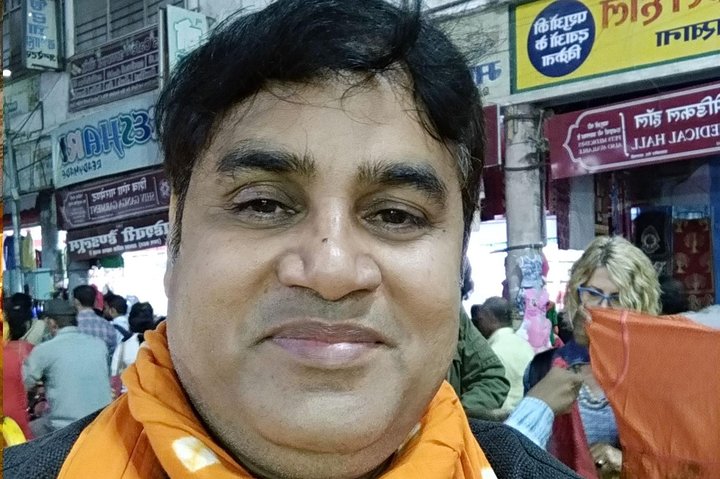
I arrived in Varanasi for the first time in November 2017 on a Tuesday evening. The train from Delhi was six hours late. I had no hotel booked. A rickshaw driver took me to a guesthouse near Dashashwamedh Ghat for ₹300 a night. The room had a single bulb and a fan that rattled. I slept badly.
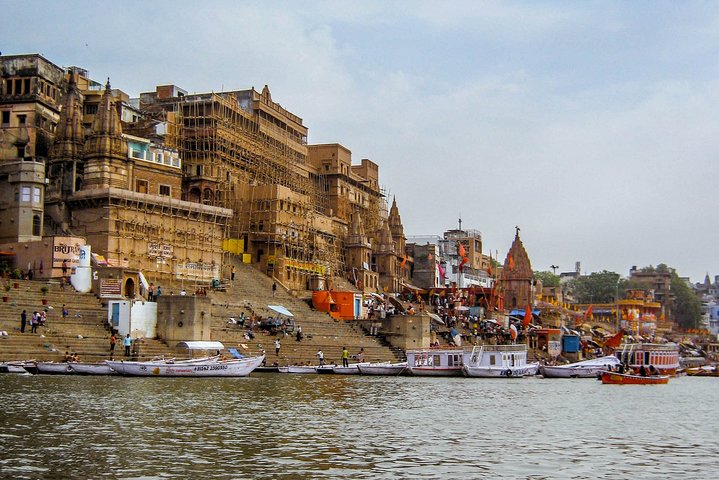
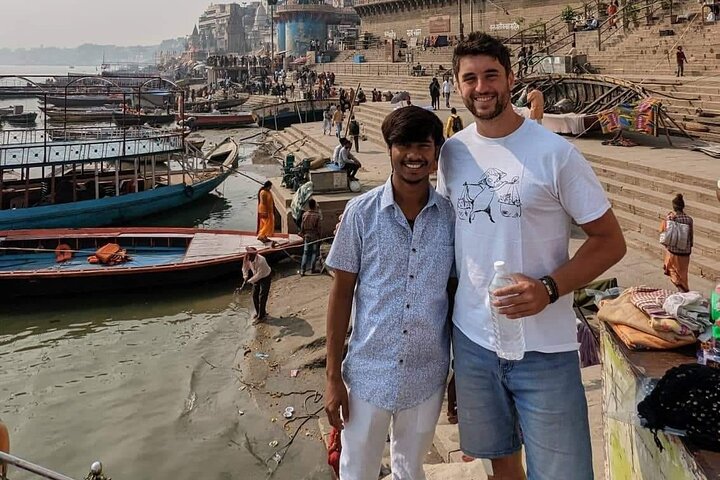
At 5:15 AM the next morning, five boatmen surrounded me at Dashashwamedh Ghat. Each quoted ₹2,000 for a sunrise ride. I walked 50 metres south to Munshi Ghat and found a teenage boy with a wooden boat. ₹400 for an hour, he said. He rowed slowly, named every ghat, and pointed out the exact spot where the Ganga turns north toward the Himalayas. I paid him after the ride, as the locals do. That first morning taught me the most important rule of Varanasi: negotiate the price before you get in, and pay only when you’re back on land.
Varanasi is one of the oldest continuously inhabited cities on earth, with archaeological evidence stretching back to 1800 BCE. There are 87 ghats along the Ganges here. I have walked most of them. The city does not reveal itself quickly. It took me three visits to stop getting lost in the alleyways behind Kashi Vishwanath Templ
The Moments That Made Varanasi Remarkable
The Ganga Aarti at Dashashwamedh Ghat has been performed daily without interruption for over 100 years. I have watched it from the steps, from a rooftop, and from a boat. The boat is the right choice. The priests raise the seven-tiered lamps at sunset, and from 50 metres out on the water you see the full choreography — the synchronised movements, the smoke rising, the river reflecting every flame. In winter (November to February), the aarti starts around 5:30 PM; in summer it shifts to 6:30 PM. I booked an evening boat tour through Viator that included a guide who explained the meaning of each ritual — something I had missed on my first solo attempt. This private sunset boat tour was worth every rupee because the guide pointed out details I would never have noticed: the exact mudra each priest uses, the significance of the conch shell timing, the direction the lamps fac
Manikarnika Ghat is the primary cremation ghat, operating 24 hours a day. I have been there three times. The first time I stayed on the steps for ten minutes and left. The second time I watched from a boat 30 metres offshore, which is the only respectful way to observe. Do not photograph from the ghat steps — it is strictly prohibited and deeply disrespectful. The best views of Manikarnika are from the river. A boatman will take you there as part of a sunrise or sunset ride. This sunrise boat tour with breakfast stops at Manikarnika and gives you time to understand the ghat from the water without intruding.
What Really Surprised Me About Varanasi
I expected chaos. I got that. What I did not expect was the quiet. At 4:30 AM, before the first boat sets out, the ghats are almost empty. I sat on the steps at Assi Ghat one January morning in 2018. A sadhu was doing his morning puja with a small brass lamp. A dog slept at his feet. The only sound was the water lapping. That half-hour was more instructive than any temple visit.
I also did not expect the fog. In winter, the fog can delay boat departures until 8 or 9 AM. My first November trip, I woke at 5 AM every day and stood on the ghat waiting for the sun to burn through. Some mornings it never did. The boatmen know this — they will not go out until visibility improves. Bring a warm layer. December mornings on the river are cold.
The narrow lanes behind Kashi Vishwanath Temple are a maze. I got lost every time for the first three days. Eventually I learned to orient myself by the sound of temple bells. If the bells grow louder, you are heading toward the main temple. If they fade, turn around. This is not in any guidebook.
Nadia Osman’s Insider Tips for Getting It Right
- Boat rides: Negotiate before boarding. ₹500 for a one-hour private sunrise ride is fair. Pay in rupees, cash only, after the ride ends. Never pay in advance — boatmen have been known to shorten the trip if you do.
- Kashi Vishwanath Temple: Special darshan tickets cost ₹300 and let you skip the main queue. Worth it if you have limited time. The regular queue can take two hours on a busy Tuesday.
- Ganga Aarti: Best view is from a boat positioned downstream of Dashashwamedh Ghat. Arrive 30 minutes early to secure a good spot. The boatmen will anchor and let you watch from the water.
- Manikarnika Ghat: View from a boat 30 metres offshore. Do not photograph from the steps. The boatmen know the protocol — ask them to stop at a respectful distance.
- Photography: Taking photos of cremation ghats is strictly prohibited and deeply disrespectful. I have seen tourists escorted away by police. Do not test this rule.
- Clothing: Cover shoulders and knees at all religious sites. Carry a scarf. Varanasi is conservative in its own way — locals dress modestly near the ghats and temples.
- Winter fog: Boat rides may be delayed until 8-9 AM. Plan your mornings accordingly. The aarti shifts from 5:30 PM in winter to 6:30 PM in summer.
What I Wish I’d Known Before I Went
I wish someone had told me that Varanasi is not a place you conquer. It is a place that takes time. My first three days were frustrating — the noise, the cows in the alleys, the touts at every corner. By day five I understood the rhythm. By day ten I did not want to leav
I wish I had known about the special darshan tickets at Kashi Vishwanath. I spent two hours in the regular queue on my first visit. The ₹300 ticket would have saved me an hour and a half.
I wish I had known to walk 50 metres south of Dashashwamedh Ghat for a better boat price. Munshi Ghat is quieter, the boatmen are less aggressive, and the rates are half what they quote at the main ghat.
I wish I had brought earplugs. The temple bells start before dawn and continue past midnight. The guesthouse walls are thin. Earplugs made my second visit infinitely more restful.
I wish I had read more about the history before arriving. Varanasi is not just a city — it is a living archive. Knowing that the ghats have been in continuous use for over 3,800 years changed how I saw every stone step.
For those planning a pilgrimage circuit, I recommend pairing Varanasi with Amritsar and Bodh Gaya. The three destinations complement each other — the Ganges, the Golden Temple, and the Mahabodhi Temple form a triangle of sacred geography that makes sense when you visit them in sequence. If Jerusalem is on your list, my guide there covers the Western Wall at dawn and the Via Dolorosa before the crowds. And for those heading to Saudi Arabia, the Mecca guide includes timing tips for tawaf after Fajr prayer.
Explore More
Related comparisons and guides:
Frequently Asked Questions
What is the best time to visit Varanasi?
November to February is the most comfortable season. Temperatures range from 8°C to 25°C. The fog can delay boat rides until 8-9 AM, but the weather is pleasant for walking. Avoid May and June when temperatures exceed 42°C.
How much does a sunrise boat ride cost in Varanasi?
A one-hour private sunrise boat ride should cost ₹400-₹800. Negotiate before boarding and pay in cash after the ride ends. The price is lower if you walk 50 metres south of Dashashwamedh Ghat to Munshi Ghat.
Can I take photos at the cremation ghats in Varanasi?
No. Photography at Manikarnika Ghat and other cremation ghats is strictly prohibited and deeply disrespectful. You can view the ghat from a boat 30 metres offshore, but do not photograph from the steps or the water.
Is the Ganga Aarti worth watching from a boat?
Yes. The best view of the Ganga Aarti at Dashashwamedh Ghat is from a boat positioned downstream of the ghat. You see the full choreography of the ritual — the synchronised movements, the smoke, the river reflection. Arrive 30 minutes early to secure a good spot.
How do I get special darshan at Kashi Vishwanath Temple?
Special darshan tickets cost ₹300 and let you skip the main queue. Purchase them at the ticket counter near the temple entrance. The regular queue can take up to two hours, especially on Tuesdays and during festivals.
What should I wear in Varanasi?
Cover shoulders and knees at all religious sites. Carry a scarf for entering temples. Varanasi is conservative near the ghats and temples. Loose cotton clothing works best, especially in the warmer months.